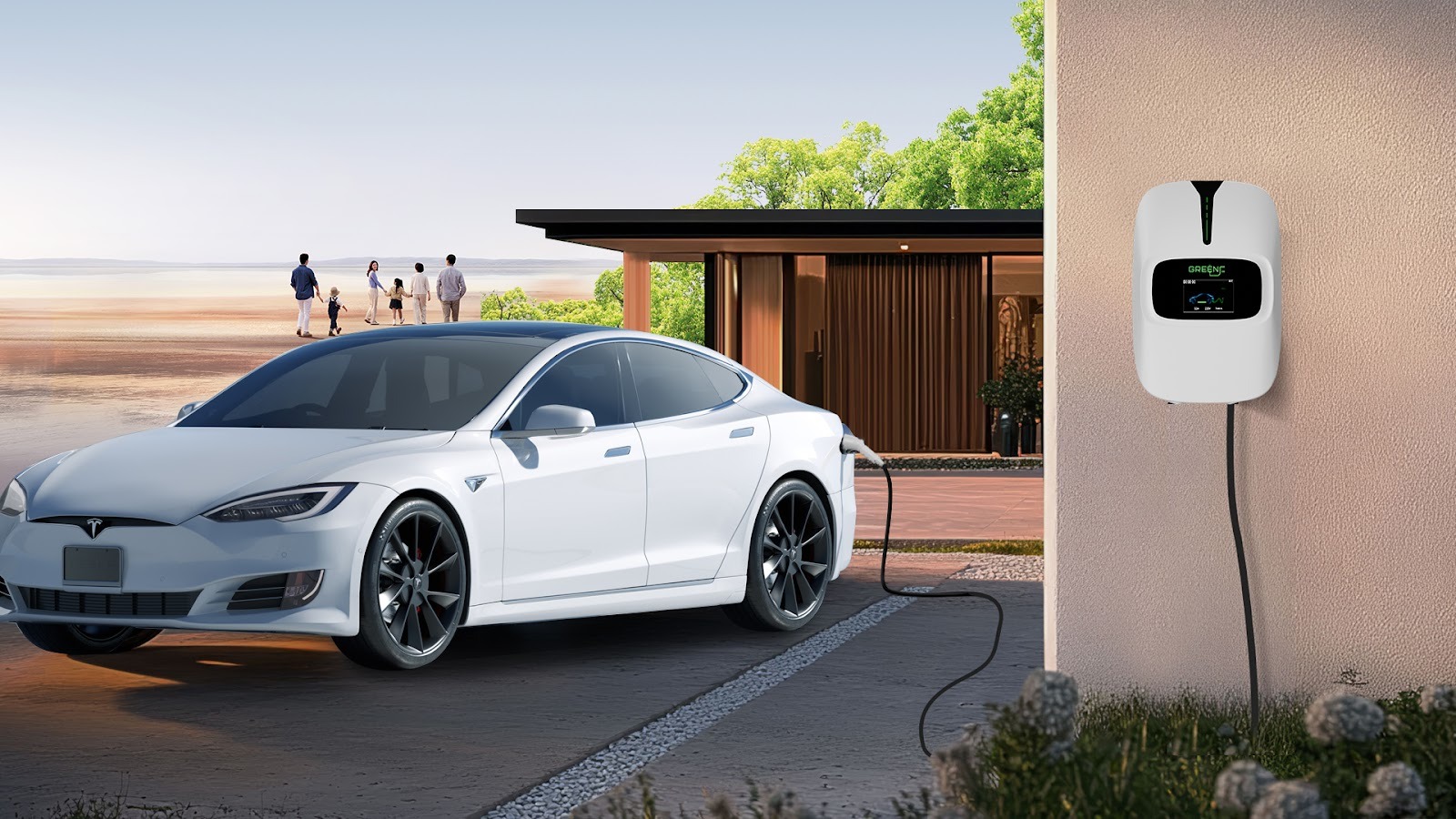
In today’s rapidly evolving business landscape, sustainability is no longer just a buzzword—it’s a strategic imperative. As electric vehicles (EVs) become mainstream, forward-thinking businesses are recognizing the dual value of integrating charging infrastructure into their operations. Among the most practical and impactful solutions are Commercial AC EV Chargers. These units are not merely power outlets for cars—they represent a tangible commitment to environmental responsibility, a strategic asset for customer and employee engagement, and a forward-looking investment in the green economy.
What Are Commercial AC EV Chargers?
Commercial AC EV Chargers, typically operating on Level 2 (240V) power, are the workhorses of destination charging. Unlike the ultra-fast DC chargers found along highways, AC chargers provide a steady, reliable charge ideal for locations where vehicles park for extended periods—typically 2 to 8 hours. They deliver power to the vehicle, where the car’s onboard converter transforms it from AC to DC to charge the battery. This makes them perfectly suited for the natural rhythms of workplace, retail, hospitality, and residential-commercial settings.
Why They Are a Cornerstone of Sustainable Business Strategy
Sustainability in business extends beyond reducing carbon emissions. It encompasses operational efficiency, social responsibility, and long-term economic viability. Commercial AC chargers align with all three pillars.
Driving Tangible Environmental Impact
By facilitating the shift from fossil fuels to electricity—increasingly sourced from renewables—each charging session directly reduces greenhouse gas emissions. For businesses measuring their Scope 3 emissions (indirect emissions from value chains), supporting employee and customer EV adoption is a significant lever. Installing chargers is a visible, actionable step toward corporate carbon reduction goals.
Enhancing Brand Value and Customer Loyalty
Offering EV charging is a powerful brand statement. It signals innovation, environmental stewardship, and a commitment to customer convenience. For retailers, hotels, and restaurants, it transforms a parking space into a valued amenity, attracting the growing and often affluent EV-driving demographic. Customers are likely to stay longer and spend more while their vehicle charges, directly boosting revenue.
A Vital Employee Benefit and Recruitment Tool
In the competition for talent, a comprehensive benefits package is crucial. Providing workplace charging is a highly valued perk that supports employees’ sustainable lifestyles, reduces their “fueling” costs, and alleviates range anxiety. It demonstrates a company’s investment in employee well-being and its alignment with modern values, strengthening retention and appeal to prospective hires.
Key Applications and Business Models
The versatility of Commercial AC Chargers allows them to serve diverse needs across industries.
Workplace Charging: Powering Productivity
Installing chargers in employee parking lots is one of the most effective applications. It ensures employees’ vehicles are charged during the workday, supporting their transition to EVs. Businesses can offer charging as a free benefit, a subsidized perk, or a paid service. Smart charging software can manage access, prioritize users, and even integrate with renewable energy sources on-site.
Destination Charging: Engaging Customers
Shopping malls, grocery stores, cinemas, and healthcare facilities are ideal for destination chargers. They encourage extended visits, drive foot traffic, and enhance the overall customer experience. A seamless charging experience, potentially offered as a complimentary service or integrated with loyalty programs, fosters positive brand association and repeat business.
Fleet Electrification: The Foundation for Logistics
For businesses operating light-duty fleets—delivery vans, service vehicles, rental cars—dedicated AC charging depots are essential. Overnight charging at the fleet yard ensures vehicles are fully operational and cost-effective to run each day, forming the backbone of a sustainable logistics strategy.
Multi-Unit Dwellings and Mixed-Use Developments
Property developers and managers of apartments, condos, and office complexes are increasingly required or incentivized to provide charging infrastructure. Installing shared Commercial AC Chargers in parking garages future-proofs the property, meets regulatory demands, and satisfies a major tenant and resident demand.
Smart Features for Optimal Management and ROI
Access Control and Monetization
Through RFID cards, mobile apps, or QR codes, businesses can control who uses the chargers. This allows for flexible business models: private access for employees, validated parking for customers, or direct pay-per-use for the public. Detailed session reporting simplifies billing and reimbursement.
Load Management and Grid Integration
A critical feature for sites with multiple chargers is dynamic load management. This smart software balances the total power draw across all units in real-time, preventing costly electrical panel upgrades and avoiding peak demand charges from the utility. It ensures efficient use of the available power capacity.
Remote Monitoring and Diagnostics
Networked chargers provide operators with a cloud-based dashboard to monitor status, track usage, generate reports, and diagnose issues remotely. This maximizes uptime, reduces maintenance costs, and provides valuable data on charger utilization for planning expansion.
Sustainability Synergy
The most advanced systems can integrate with on-site solar panels and battery storage. Chargers can be programmed to prioritize using clean, self-generated solar power, further reducing operational carbon footprint and energy costs.
Implementing a Successful Charging Solution
Deployment requires careful planning:
- Needs Assessment: Determine the number of chargers based on current and projected EV adoption among employees or customers.
- Electrical Infrastructure Audit: Engage an electrical contractor to evaluate panel capacity and installation requirements.
- Selecting the Right Hardware and Software: Choose OCPP-compliant chargers and a robust management platform that fits your business model and scalability needs.
- Choosing a Business Model: Decide on access policy (public/private), pricing (free/subscription/paid), and any partnerships with charging networks.
- Promotion and Communication: Market the availability of charging to employees, customers, and tenants through signage, websites, and app listings like PlugShare.
Conclusion: Charging Toward a Sustainable Future
Commercial AC EV Chargers are more than infrastructure; they are a strategic keystone for modern, sustainable business. They provide a direct path to reducing carbon emissions, enhance brand reputation, add tangible value for customers and employees, and open new avenues for operational efficiency. As the EV market accelerates, businesses that invest in this accessible, scalable technology today are not just keeping pace—they are positioning themselves as leaders in the clean economy of tomorrow. By powering the vehicles of their stakeholders, they are ultimately powering their own sustainable growth.
Keep an eye for more latest news & updates on Mix Moz!