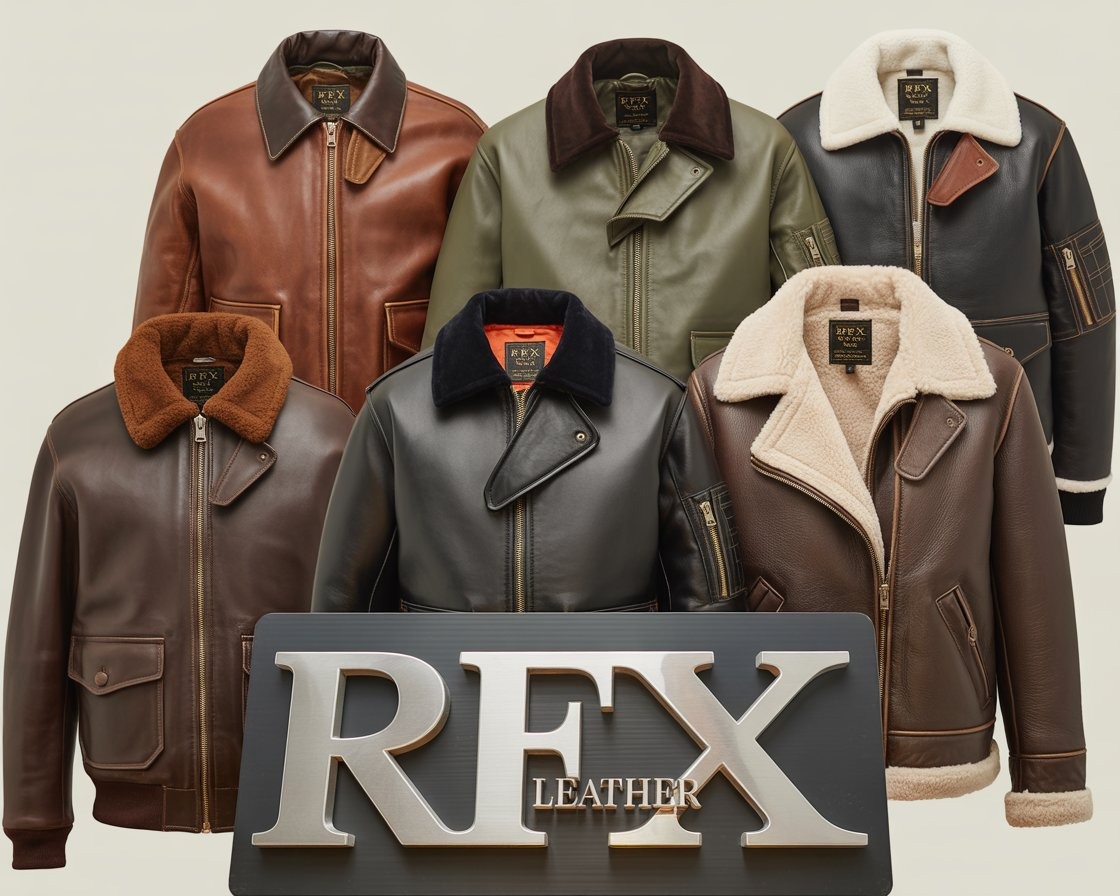
Flight jackets are among the most iconic forms of outerwear ever created. Originally designed as essential aviation gear for military pilots, flight jackets have evolved into timeless fashion staples worn across generations. Their durability, functionality, and unmistakable silhouette make them a powerful blend of history, performance, and style.
Introduction to Flight Jackets
Flight jackets were initially developed as pilot protective clothing to withstand harsh flying conditions at high altitudes. Early aircraft had open cockpits, exposing pilots to freezing temperatures, wind pressure, and limited mobility. Aviation outerwear needed to provide insulation, flexibility, and protection without restricting movement. Over time, flight jackets transitioned from cockpit essentials to symbols of military heritage, later becoming mainstream fashion items and luxury outerwear pieces.
Origins of Flight Jackets in Military Aviation
The origins of flight jackets trace back to World War I, when pilots relied on heavy leather coats and lined garments for survival in unpressurized aircraft. As aviation technology advanced during World War II, military aviation jackets became more specialized. Standardized military-issued jackets such as USAAF flight jackets and naval aviator jackets were created to meet strict performance requirements. These early military specifications laid the foundation for modern flight jacket construction, materials, and fits still used today.
A-1 Flight Jackets: The Original Aviator Style
The A-1 flight jacket represents the earliest standardized aviator flight jacket. Introduced in the 1920s, it featured a button-front closure, knitted cuffs, waistband, and collar. Made from leather with wool knit trims, A-1 flight jackets prioritized warmth and ease of movement. Due to their limited production period and replacement by later models, authentic A-1 flight jackets are now considered rare heritage flight jackets and highly valued by collectors.
A-2 Flight Jackets: The Iconic Leather Flight Jacket
The A-2 flight jacket is the most recognizable leather flight jacket in aviation history. Issued during World War II, it became the defining symbol of military aviation outerwear. Crafted from horsehide or goatskin leather, A-2 jackets featured snap-down collars, front patch pockets, ribbed cuffs, and waistbands. Beyond military use, A-2 flight jackets gained fame through Hollywood films and pop culture, solidifying their place as timeless leather bomber jackets.
G-1 Flight Jackets: Naval Aviation Classics
The G-1 flight jacket served naval aviators and differed from the A-2 in both function and design. Featuring a distinctive shearling collar and often adorned with naval insignia, G-1 jackets were built for durability in sea-based environments. Their water resistance and rugged leather construction made them ideal for aircraft carrier operations. Today, modern G-1 flight jackets retain their naval character while incorporating updated fits and materials for civilian wear.
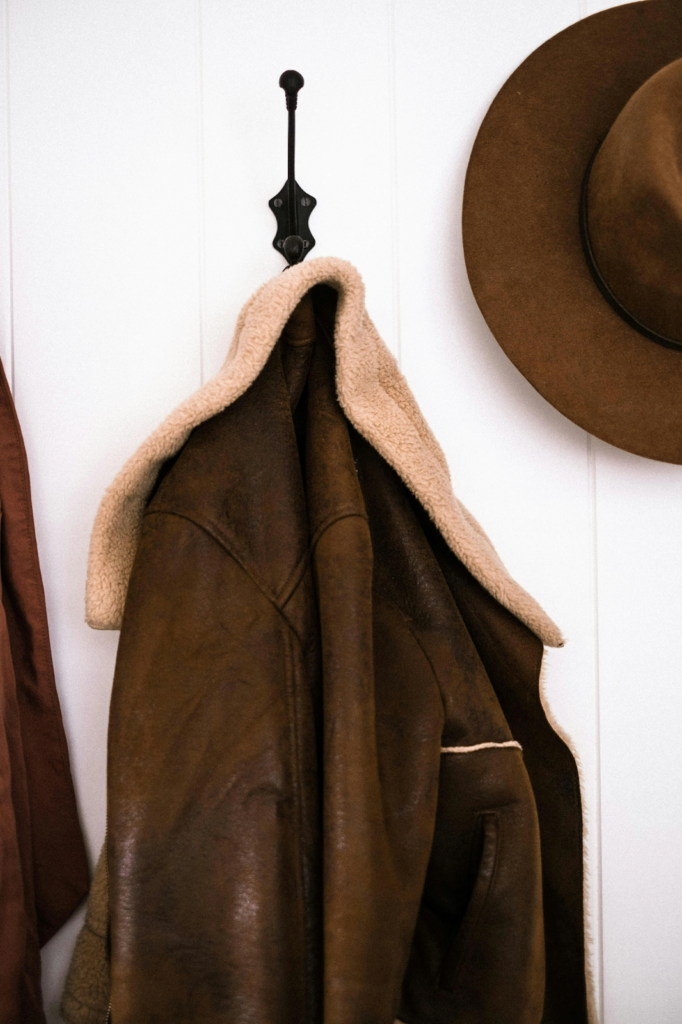
B-3 bomber jackets were designed for pilots flying at extremely high altitudes in unheated aircraft. Constructed from heavyweight sheepskin with thick shearling lining, B-3 flight jackets offered maximum insulation and wind protection. These cold weather flight jackets remain popular winter outerwear due to their warmth and bold aesthetic. Contemporary styling has adapted B-3 bomber jackets into both rugged and luxury fashion categories.
B-6 and B-7 Flight Jackets: Cold Weather Variations
B-6 flight jackets were developed as lighter alternatives to the B-3, offering improved mobility while maintaining warmth. They used slimmer shearling insulation and a more compact design. The B-7 flight jacket, on the other hand, was created for extreme cold environments and often extended in length for additional coverage. These variations demonstrate how flight jacket designs evolved to meet specific operational demands.
MA-1 Flight Jackets: The Modern Nylon Bomber Jacket
The MA-1 flight jacket marked a major transition from leather to nylon flight jackets during the jet age. Nylon offered lighter weight, improved flexibility, and better performance in changing temperatures. MA-1 bomber jackets introduced features such as reversible linings, utility pockets, and streamlined silhouettes. Their practicality and clean design helped them become dominant in modern streetwear and urban fashion worldwide.
CWU Flight Jackets: Advanced Military Flight Wear
CWU flight jackets, including the CWU-36P and CWU-45P, represent modern military flight wear. Designed with fire-resistant materials and advanced technical fabrics, these jackets meet contemporary aviation safety standards. CWU jackets differ from MA-1 styles in insulation weight, fit, and protective performance. They continue to be used by air forces while also influencing tactical and civilian flight jacket designs.
Shearling vs Leather vs Nylon Flight Jackets
Flight jacket materials play a critical role in performance and comfort. Shearling flight jackets provide unmatched warmth for cold climates but are heavier in weight. Leather flight jackets offer durability, wind resistance, and classic appeal suitable for moderate weather. Nylon flight jackets are lightweight, water-resistant, and ideal for transitional seasons. Choosing the right material depends on climate, usage, and personal style preferences.
Flight Jackets by Fit and Silhouette
Traditional military flight jackets feature a boxy fit designed for layering and mobility. Modern fashion interpretations introduce tailored, slim-fit, and oversized flight jackets. Oversized bomber jackets have become particularly popular in streetwear, while classic fits remain favored for authenticity. Fit directly impacts comfort, insulation efficiency, and overall appearance.
Flight Jackets in Civilian and Fashion Culture
Flight jackets entered civilian fashion through returning military personnel and Hollywood exposure. Iconic films and celebrity endorsements elevated aviator and bomber jackets into mainstream style. Designers and luxury brands have since reimagined flight jackets using premium materials, custom finishes, and contemporary silhouettes, bridging heritage fashion with modern trends.
How to Choose the Right Flight Jacket Style
Selecting the right flight jacket depends on climate, purpose, and lifestyle. Cold weather demands shearling-lined bomber jackets, while everyday wear benefits from leather or nylon styles. Buyers seeking authenticity should focus on military-inspired designs, quality stitching, premium leather, proper lining, and craftsmanship. For commercial buyers, OEM and custom flight jackets offer flexibility in design and branding.
Care and Maintenance of Flight Jackets
Proper care extends the lifespan of flight jackets. Leather flight jackets require conditioning and protection from excessive moisture. Shearling bomber jackets should be stored in breathable environments to preserve insulation. Nylon flight jackets are easier to maintain and can be cleaned with minimal effort. Correct storage and seasonal care ensure long-term durability.
Why Flight Jackets Remain a Timeless Outerwear Choice
Flight jackets continue to endure due to their functional design, rugged construction, and versatility. They seamlessly adapt to changing fashion trends while retaining their military heritage. From vintage flight jackets to contemporary bomber jackets, their appeal spans generations and lifestyles.
Conclusion: Understanding Flight Jacket Classifications
Understanding flight jacket styles, materials, and classifications allows buyers to make informed choices. Whether for fashion, function, or heritage value, flight jackets remain one of the most enduring and adaptable forms of outerwear ever created.
Frequently Asked Questions (FAQs)
What is the difference between a flight jacket and a bomber jacket?
Flight jackets are a broader category of aviation-inspired outerwear, while bomber jackets are a specific type originally designed for bomber pilots. Today, the terms are often used interchangeably in fashion.
Which flight jacket is best for cold weather?
Shearling-lined flight jackets such as B-3, B-6, and B-7 bomber jackets provide the best insulation for extreme cold climates.
Are leather flight jackets suitable for everyday wear?
Yes, leather flight jackets like A-2 and G-1 styles are durable, stylish, and ideal for daily use in moderate weather conditions.
Why are MA-1 flight jackets so popular in streetwear?
MA-1 jackets are lightweight, versatile, and easy to style, making them a favorite in urban fashion and contemporary streetwear.
How can I tell if a flight jacket is high quality?
High-quality flight jackets feature premium materials, strong stitching, proper lining, authentic design elements, and durable hardware.
Keep an eye for more latest news & updates on Mix Moz!