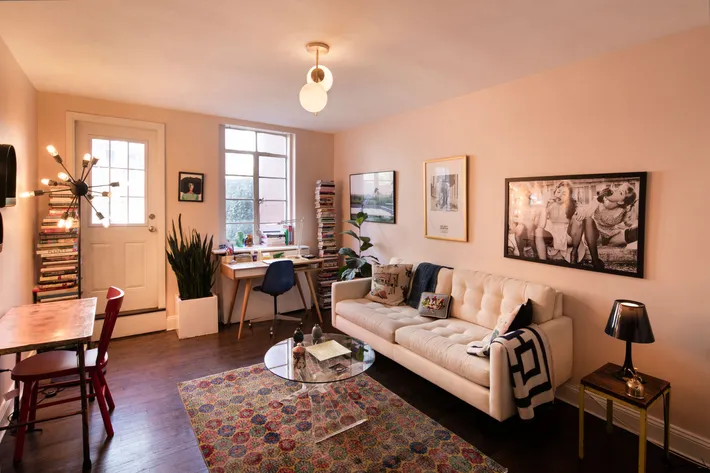
Lighting plays a crucial role in how a home feels and functions. Poor lighting can make rooms look smaller, dull, or uninviting, while well-planned lighting enhances mood, highlights décor, and improves functionality. Fixing poor lighting doesn’t always require expensive renovations. By understanding your space and using strategic solutions, you can brighten your home effectively and efficiently.
Here are practical ways to fix poor lighting and create a brighter, more inviting environment.
Assess Your Current Lighting
Before making changes, it’s important to evaluate your existing lighting setup. Walk through each room and note areas that feel dim, harsh, or unevenly lit. Identify which fixtures are outdated, insufficient, or improperly placed.
Understanding the problem is the first step toward effective solutions. Often, small adjustments or new fixtures can dramatically improve the overall lighting.
Layer Your Lighting
Good lighting is about layers. Relying on a single overhead light often leads to shadows and uneven brightness. Consider three types of lighting for each room:
- Ambient lighting: General illumination, usually from ceiling fixtures or wall-mounted lights.
- Task lighting: Focused lighting for activities like reading, cooking, or working. Desk lamps, under-cabinet lights, and pendant lights serve this purpose.
- Accent lighting: Decorative or highlighting lights that emphasize artwork, architectural features, or focal points.
Combining these layers creates balance, reduces harsh shadows, and improves both aesthetics and functionality.
Upgrade to LED Bulbs
Replacing old incandescent or CFL bulbs with LED bulbs is a simple way to improve brightness and energy efficiency. LEDs provide more light using less energy and last longer.
Choose bulbs with the right color temperature for each room. Warm white (2700–3000K) creates a cozy atmosphere for bedrooms and living rooms, while cool white (4000–5000K) is ideal for kitchens, bathrooms, and workspaces.
Improve Natural Light
Natural light makes spaces feel open and welcoming. If rooms feel dark, consider ways to maximize daylight.
- Use sheer curtains: Light-colored or sheer curtains allow sunlight to enter while maintaining privacy.
- Trim trees or shrubs: Outside obstacles that block sunlight can be adjusted to allow more natural light.
- Add mirrors: Mirrors reflect sunlight, spreading light deeper into the room. Placing a mirror opposite a window can double the effect.
Update Light Fixtures
Outdated or improperly sized fixtures can limit the amount of light in a room. Consider modern, energy-efficient fixtures that provide ample illumination.
Pendant lights, chandeliers, or flush-mount ceiling lights can replace dim fixtures. In areas like kitchens and bathrooms, under-cabinet or vanity lighting improves visibility and creates a polished look.
Use Reflective Surfaces
Reflective surfaces enhance brightness by bouncing light around a room. Incorporate mirrors, glass furniture, metallic décor, or glossy finishes on cabinets and countertops.
These surfaces amplify existing light, making rooms appear larger and more open. Even small changes, like mirrored trays or light-colored furniture, contribute to a noticeable improvement.
Reposition Furniture
Furniture placement can affect how light spreads in a room. Blocking windows with large pieces can limit natural light, while dark furniture absorbs it.
Rearranging furniture to allow unobstructed light flow, placing seating near windows, and choosing lighter furniture colors can make a space feel brighter and more spacious.
Add Floor and Table Lamps
Floor and table lamps are flexible solutions for dim areas. They provide task lighting, fill in dark corners, and create ambiance.
Choose adjustable lamps so you can direct light where it’s needed. Multiple lamps layered around the room often work better than a single overhead fixture.
Consider Dimmers and Smart Lighting
Dimmer switches allow you to adjust brightness to suit different activities and moods. They are ideal for living rooms, dining rooms, and bedrooms.
Smart lighting systems take it further by letting you control brightness, color, and scheduling from your phone or voice assistant. These solutions improve convenience and efficiency while enhancing the atmosphere.
Focus on Key Areas
Identify areas that need the most attention. Kitchens, workspaces, and reading corners benefit from bright, focused task lighting. Living areas and bedrooms require softer, ambient lighting.
Targeted improvements ensure that the most critical areas are well-lit without overdoing illumination elsewhere.
Maintain Fixtures and Bulbs
Dust and grime on fixtures and bulbs can reduce brightness. Regularly clean ceiling lights, lampshades, and windows to allow maximum light output.
Replacing burnt-out or dim bulbs promptly ensures consistent lighting quality throughout your home.
Final Thoughts
Fixing poor lighting in your home is about combining practical solutions with thoughtful design. By layering lighting, upgrading bulbs and fixtures, maximizing natural light, and using reflective surfaces, you can dramatically improve brightness and ambiance.
Even small adjustments like repositioning furniture, adding lamps, or updating curtains can create noticeable before-and-after improvements. A well-lit home feels larger, more inviting, and more comfortable, enhancing both daily life and overall home appeal.
Keep up with us for the latest information. Mixmoz.com