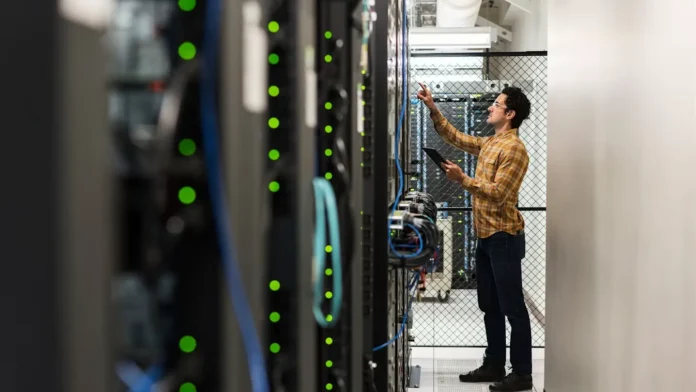
The NS Mainframe is a powerful computing system designed to manage critical business operations and large-scale data processing. In many organizations, it acts as the central platform where essential workloads run continuously without interruption. Companies depend on systems like the NS Mainframe to handle high-volume transactions, secure sensitive information, and maintain stable operations across different departments.
When people describe the NS Mainframe as a mission-critical backbone, they mean it serves as the foundation that keeps enterprise systems functioning reliably. Banks, government agencies, transportation networks, and large corporations often rely on mainframe environments to process millions of operations every day.
Unlike regular computers or small servers, the NS Mainframe is built for durability, security, and extreme performance. It can handle massive workloads while maintaining stability and accuracy. Because of this reliability, many organizations trust mainframe platforms for tasks where downtime is simply not acceptable.
Understanding the role of the NS Mainframe helps explain why it remains an important part of modern enterprise technology even in an era dominated by cloud computing and distributed systems.
What Is an NS Mainframe?
An NS Mainframe refers to a specialized high-performance computing environment used to run large-scale enterprise applications. These systems are designed to support thousands of users and process huge amounts of data simultaneously.
Mainframes have been used for decades, and they remain highly relevant because of their ability to provide stability and secure processing. The NS Mainframe environment typically supports:
Transaction processing
Database management
Enterprise resource planning systems
Financial systems
Logistics and transportation operations
Organizations use these systems when they require continuous processing with minimal risk of system failure.
The NS Mainframe is often integrated with modern technologies such as cloud platforms, APIs, and distributed applications. This allows companies to maintain their reliable core infrastructure while expanding their digital services.
Why the NS Mainframe Is Considered Mission-Critical
The term mission-critical refers to systems that must operate without interruption. If these systems fail, important services could stop functioning.
The NS Mainframe fits this description because it often handles tasks such as:
Financial transactions
Customer data management
Operational planning
Large-scale reporting
Security and identity systems
For example, when a large organization processes thousands of transactions per minute, even a short outage could cause serious financial or operational problems.
The NS Mainframe is built specifically to prevent such disruptions. Its architecture focuses on reliability, redundancy, and continuous performance.
Key Features of the NS Mainframe
The strength of the NS Mainframe comes from a combination of specialized hardware and advanced software capabilities. These systems are designed to perform complex tasks efficiently while maintaining stability.
High Processing Power
One of the most important features of an NS Mainframe is its ability to process enormous workloads. These systems can handle millions of transactions in a short time without slowing down.
Large organizations often rely on this processing power to manage daily operations such as billing systems, inventory management, and large databases.
Exceptional Reliability
Reliability is one of the main reasons companies continue using mainframe technology. The NS Mainframe is designed to run continuously for long periods without failure.
In many enterprise environments, uptime can reach extremely high levels because the system includes multiple safeguards and backup components.
Advanced Security
Security is another critical advantage of the NS Mainframe. These systems include built-in features that protect sensitive data and prevent unauthorized access.
Organizations that handle financial information, government records, or confidential business data often rely on mainframe environments because of their strong security frameworks.
Massive Data Handling
The NS Mainframe is capable of storing and managing huge amounts of data. Enterprise organizations produce enormous data volumes every day, and mainframes are built to process and analyze that information efficiently.
This ability allows companies to run large databases and complex analytical workloads on the same system.
Scalability
As organizations grow, their technology needs increase. The NS Mainframe is designed to scale effectively so that it can support more users, applications, and transactions over time.
This scalability ensures that businesses can expand operations without constantly replacing their core systems.
Industries That Use NS Mainframe Systems
The NS Mainframe is widely used across industries that require reliability and high-performance computing.
Banking and Financial Services
Banks process millions of transactions every day. Mainframe environments help manage account balances, payment processing, and fraud detection.
Because financial systems must remain stable and secure, the NS Mainframe is often the preferred platform for these operations.
Transportation and Logistics
Large transportation networks depend on stable computing systems to manage schedules, cargo tracking, and operational logistics.
In such environments, the NS Mainframe helps coordinate complex data flows between multiple systems and locations.
Government and Public Services
Government agencies often maintain large databases containing citizen records, tax information, and administrative systems.
The NS Mainframe provides the reliability and security required to manage these sensitive services.
Healthcare Systems
Healthcare organizations generate vast amounts of patient data and medical records. Mainframe systems help process and store this information safely while ensuring constant availability.
Large Enterprises
Many global corporations rely on mainframes to run enterprise resource planning systems, payroll operations, and large-scale analytics.
These systems help maintain efficiency across multiple departments and global offices.
How the NS Mainframe Supports Modern Technology
Despite its long history, the NS Mainframe continues to evolve with modern technology trends.
Many organizations integrate their mainframe systems with cloud services, web applications, and mobile platforms. This integration allows businesses to keep their stable core infrastructure while building new digital experiences.
For example, a mobile banking application might connect to a mainframe backend that processes transactions and retrieves customer data.
Through APIs and modern software tools, the NS Mainframe can communicate with newer systems while continuing to handle critical workloads.
Advantages of Using an NS Mainframe
Organizations that rely on the NS Mainframe often benefit from several key advantages.
One major advantage is long-term reliability. These systems are designed to operate for years with minimal disruption.
Another benefit is performance consistency. Even under heavy workloads, the system can maintain stable processing speeds.
The NS Mainframe also provides centralized management, allowing IT teams to control multiple operations from a single environment.
Security is another strong advantage. With built-in protection mechanisms and strict access controls, mainframes help safeguard sensitive enterprise data.
Finally, the ability to process large transaction volumes makes the NS Mainframe ideal for organizations handling high-demand operations.
Challenges Associated With Mainframe Systems
While the NS Mainframe offers many benefits, it also comes with certain challenges.
One challenge is the need for specialized expertise. Mainframe environments often require trained professionals who understand the system architecture and programming languages used in these environments.
Another challenge is modernization. Some older applications running on mainframes may need updates to integrate with newer digital systems.
Cost can also be a factor. Maintaining large enterprise computing systems requires investment in hardware, software, and skilled personnel.
However, many organizations continue using mainframes because their reliability and performance outweigh these challenges.
The Future of the NS Mainframe
The future of the NS Mainframe is not about replacement but evolution. Many companies are combining mainframe systems with modern cloud platforms and distributed applications.
This hybrid approach allows organizations to maintain reliable core processing while taking advantage of flexible digital services.
As data volumes continue to grow and businesses require stronger security, the role of high-performance systems like the NS Mainframe will likely remain important.
Advancements in automation, artificial intelligence, and analytics may also become integrated into mainframe environments, allowing them to support even more advanced workloads.
People Also Ask
What is an NS Mainframe?
An NS Mainframe is a high-performance enterprise computing system used to run critical workloads, process large volumes of data, and support essential business operations.
Why do companies use mainframe systems?
Companies use mainframe systems because they provide exceptional reliability, security, and processing power for mission-critical applications.
Is the NS Mainframe still relevant today?
Yes, mainframe systems remain highly relevant because many industries rely on them to process large-scale transactions and manage sensitive data securely.
What industries depend on mainframe computing?
Industries such as banking, transportation, healthcare, government services, and large enterprises commonly rely on mainframe environments.
Can mainframes work with cloud technology?
Yes, modern mainframe systems can integrate with cloud platforms, APIs, and web applications, allowing organizations to combine traditional reliability with modern digital services.
Final Thoughts
The NS Mainframe continues to play a vital role in enterprise computing. While many new technologies have emerged over the years, few systems match the reliability, performance, and security offered by mainframe environments.
Organizations that depend on continuous operations and large-scale transaction processing often trust the NS Mainframe as the backbone of their infrastructure.
As technology evolves, these systems are becoming more connected with modern digital platforms. Rather than disappearing, the NS Mainframe is adapting to support the future of enterprise computing while continuing to deliver the stability businesses rely on every day.