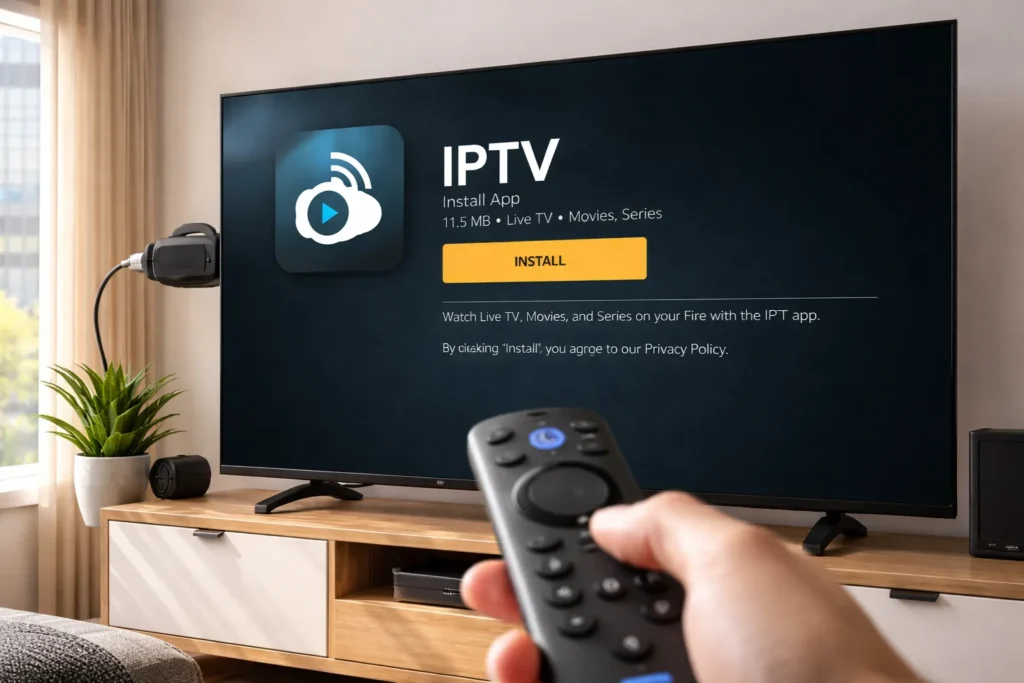
The way Canadians consume television and live entertainment has changed more in the past five years than in the previous two decades combined. Traditional cable TV, once the dominant household standard, is gradually being replaced by internet-based streaming systems that offer more flexibility, personalization, and control. By 2026, this transformation is no longer experimental or niche, it has become mainstream behavior shaped by convenience culture and digital accessibility.
At the center of this shift is IPTV, a technology that delivers television content through internet networks instead of satellite or cable infrastructure. This change has not only reduced dependency on rigid broadcasting schedules but has also introduced a new expectation of instant access. Viewers today want content that adapts to their lifestyle, not the other way around. Whether it is live sports, movies, or international channels, everything is expected to be available on demand and across multiple devices.
Before users commit to a long-term setup, many of them explore an iptv free trial to understand streaming quality, channel availability, and device compatibility. This trial phase has become an essential part of decision-making because modern users prefer to experience performance firsthand before investing in any digital entertainment system. It reflects a broader psychological shift in consumer behavior where trust is built through experience rather than marketing claims.
As IPTV continues to evolve in Canada, the focus is no longer just on access to content but on how smoothly and intelligently that content is delivered. A smart IPTV setup is not just about installation, it is about optimizing the entire viewing ecosystem for performance, stability, and long-term usability.
Understanding IPTV in the Modern Canadian Digital Landscape
IPTV, or Internet Protocol Television, is built on a simple yet powerful concept: delivering television content through internet networks instead of traditional broadcasting systems. While this idea has existed for years, its real-world application has matured significantly due to improvements in broadband infrastructure, cloud computing, and streaming compression technologies.
In Canada, where internet penetration and fiber connectivity have expanded rapidly, IPTV has found an ideal environment to grow. Urban centers now enjoy high-speed connections that support uninterrupted HD and 4K streaming, making IPTV a practical alternative to cable television. Rural areas are also gradually benefiting from improved network coverage, further expanding the technology’s reach.
What makes IPTV particularly relevant in 2026 is its adaptability. Unlike traditional systems that require fixed hardware setups, IPTV can be accessed through smart TVs, mobile devices, laptops, and streaming boxes. This flexibility aligns perfectly with modern lifestyle patterns where entertainment is consumed across multiple environments rather than a single living room screen.
The growing popularity of IPTV also reflects a deeper shift in how people define entertainment value. It is no longer just about channel quantity but about quality, speed, and personalization. Users want systems that learn their preferences, adapt to their viewing habits, and deliver content with minimal friction.
Why Smart IPTV Setup Matters More Than Ever
Setting up IPTV today is not just a technical task, it is an optimization process. A poorly configured system can lead to buffering issues, unstable streams, or limited accessibility across devices. On the other hand, a well-structured setup can transform the entire viewing experience into something seamless and highly responsive.
A smart IPTV setup begins with understanding the user’s internet environment. Bandwidth, router quality, and device compatibility all play a critical role in determining streaming performance. Many users overlook these factors and assume that IPTV performance depends solely on the service provider. In reality, the local network setup is equally important.
Another essential aspect is device selection. Smart TVs, Android boxes, and dedicated IPTV applications all offer different levels of performance and customization. Choosing the right combination can significantly improve playback stability and interface responsiveness.
The rise of IPTV in Canada has also encouraged users to become more tech-aware. People are no longer passive viewers; they are active participants in configuring their digital entertainment systems. This shift represents a broader cultural change where technology is increasingly integrated into everyday decision-making.
The Role of Internet Quality in IPTV Performance
One of the most critical factors in any IPTV setup is internet quality. Unlike traditional cable systems, IPTV relies entirely on data transmission, which means stability and speed directly impact viewing experience.
High-definition streaming requires consistent bandwidth, especially during peak usage hours when network congestion is common. Fiber-optic connections provide the most reliable performance, but even standard broadband can deliver excellent results when properly optimized.
Latency and packet loss are often overlooked issues that can affect streaming quality. Even with high download speeds, unstable connections can lead to buffering or delayed playback. This is why many users invest in upgraded routers or mesh Wi-Fi systems to ensure stable coverage across their homes.
As streaming technology continues to evolve, adaptive bitrate systems have improved significantly. These systems automatically adjust video quality based on real-time network conditions, reducing interruptions and maintaining smoother playback even during fluctuations.
Device Compatibility and Smart Integration
Modern IPTV systems are designed to work across a wide range of devices, which is one of the reasons for their growing popularity. Smart TVs remain the most common choice for home viewing, but mobile devices and tablets are increasingly used for flexible, on-the-go entertainment.
Streaming boxes and media players also play an important role in enhancing performance. These devices often provide better processing power and more stable app environments compared to built-in TV applications.
Another important development is smart home integration. IPTV systems are increasingly being connected with voice assistants and home automation tools, allowing users to control playback, switch channels, or search content using simple voice commands.
This level of integration reflects a broader trend toward unified digital ecosystems where entertainment, communication, and automation work together seamlessly.
User Experience and the Psychology of Modern Viewing Habits
The success of IPTV in Canada is not only driven by technology but also by changing human behavior. Modern viewers expect instant access, minimal waiting times, and personalized recommendations. These expectations are shaped by years of exposure to on-demand platforms and algorithm-driven content delivery.
One of the most important psychological shifts is the reduction of tolerance for delays. Even a few seconds of buffering can negatively impact user satisfaction. This has forced IPTV providers and users alike to prioritize optimization at every level of the system.
Another behavioral change is multitasking. Many viewers now consume content while performing other activities, which requires flexible access across devices. IPTV supports this behavior by allowing seamless switching between screens without losing progress.
This adaptability has made IPTV more than just a television alternative. It has become a lifestyle tool that fits into modern digital routines.
Final Thoughts: Building a Future-Ready IPTV Experience in Canada
As IPTV continues to evolve in Canada, it is becoming clear that success depends on how well users understand and optimize their setup. A smart configuration is not just about installation but about creating a balanced system that includes strong internet connectivity, compatible devices, and well-structured applications. When these elements work together, IPTV becomes a highly efficient and enjoyable entertainment solution.
Another important factor shaping the future is user experimentation. Many individuals begin their journey with an iptv free trial, which helps them evaluate performance, content variety, and overall usability. This trial phase plays a crucial role in building confidence and ensuring that users select a system that matches their expectations and lifestyle needs.
Looking ahead, IPTV will continue to integrate deeper into everyday digital life as streaming technology advances and internet infrastructure improves. The growing presence of reliable platforms such as iptv service providers reflects a broader shift toward personalized, on-demand entertainment ecosystems. As consumers become more selective and technology becomes more intelligent, IPTV will likely remain at the center of how Canadians experience television in the years to come.