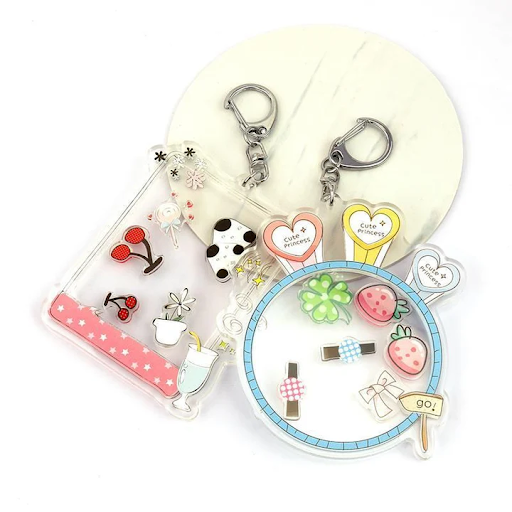
In today’s creative economy, artists are no longer limited to selling prints or digital downloads. With the rise of e-commerce and print-on-demand manufacturing, original artwork can be transformed into physical products that reach global audiences. One of the most effective and profitable ways to do this is by turning illustrations, designs, and characters into Custom Keychains.
Keychains are small, affordable, and highly collectible items that allow artists to monetize their creativity while building strong brand recognition. Whether you are a digital illustrator, graphic designer, or traditional artist, custom keychains offer an exciting opportunity to turn your art into everyday products that fans love to carry, collect, and share.
In this article, we’ll explore how to transform original artwork into best-selling keychains, what makes designs successful, and how artists can grow a profitable merchandise business.
Why Keychains Are Perfect for Artists
Before diving into the process, it’s important to understand why keychains are such a powerful product for creatives.
Unlike expensive merchandise such as clothing or large prints, keychains are:
- Affordable for customers
- Easy to produce in bulk
- Lightweight for shipping
- Highly collectible
- Perfect for fandom culture
- Ideal for small-scale testing
Because of their low price point, fans are more likely to make impulse purchases. This makes keychains one of the best entry-level products for artists looking to monetize their work.
For many creators, Custom Keychains become the foundation of a successful merchandise brand.
Step 1: Choosing the Right Artwork
Not every piece of art translates well into merchandise. The first step is selecting designs that work well at a small scale.
What Works Best
Strong keychain artwork usually includes:
- Bold outlines
- Clear shapes
- Expressive characters
- Simple compositions
- Strong color contrast
Artwork with too many details may lose clarity when resized.
Best Types of Art for Keychains
Some of the most successful categories include:
- Original characters
- Anime-inspired designs
- Cute mascots
- Fan art
- Minimalist illustrations
- Iconic symbols or objects
The goal is to ensure the design remains recognizable even at a small size.
Step 2: Optimizing Artwork for Production
Once you select your design, it must be prepared for manufacturing.
High Resolution is Essential
Manufacturers require high-quality files to ensure sharp printing. Low-resolution images can result in blurry or pixelated products.
Clean Backgrounds
Most keychain styles require transparent backgrounds so the shape can be cut accurately.
Proper Color Adjustments
Colors on screens may appear slightly different when printed. Adjust brightness and contrast to ensure consistency.
Simplify Complex Details
Small intricate elements may not appear clearly on keychains. Simplifying designs improves readability and impact.
Proper preparation ensures your Custom Keychains look professional and polished.
Step 3: Choosing the Right Keychain Style
Different materials and styles can dramatically change how your artwork is perceived.
Acrylic Keychains
Acrylic is the most popular option for artists because it offers:
- Bright color reproduction
- Affordable production
- Transparent effects
- Double-sided printing options
It is ideal for vibrant and colorful artwork.
Metal Keychains
Metal keychains provide a premium feel and are best for:
- Minimalist designs
- Logos
- High-end merchandise
They are durable and long-lasting.
PVC Keychains
PVC keychains are soft, flexible, and perfect for:
- Cute characters
- Cartoon designs
- Playful artwork
Each material offers a different emotional experience for customers.
Step 4: Designing for Emotional Impact
Best-selling merchandise is not just visually appealing—it connects emotionally with buyers.
Create Relatable Characters
Characters that express emotions, personality, or humor often perform well.
Tell a Story
Even a small keychain design can represent a larger narrative or universe.
Use Strong Visual Identity
Consistent color palettes and styles help build recognizable branding.
Focus on Aesthetic Appeal
Trendy aesthetics such as pastel tones, retro styles, or holographic effects attract attention on social media.
Emotional connection is what transforms simple artwork into best-selling products.
Step 5: Creating Limited Editions and Collections
Scarcity and collectability play a huge role in sales.
Limited Edition Drops
Releasing designs in limited quantities creates urgency and boosts demand.
Themed Collections
Grouping designs into sets encourages customers to purchase multiple items.
Examples include:
- Seasonal collections
- Character series
- Color variants
- Story-based sets
Mystery Packs
Blind bags or surprise keychains increase excitement and repeat purchases.
Collectors love completing sets, which naturally increases sales volume.
Step 6: Pricing Your Keychains for Profit
Pricing strategy is critical for success.
When pricing your Custom Keychains, consider:
- Production cost
- Packaging cost
- Platform fees
- Shipping expenses
- Desired profit margin
Artists often underprice their work, but well-designed merchandise can justify higher pricing due to its uniqueness and collectability.
Offering bundle discounts or special sets can also increase average order value.
Step 7: Marketing Your Keychains Effectively
Even great designs need strong marketing to succeed.
Social Media Promotion
Platforms like Instagram, TikTok, and Pinterest are essential for visual products.
Post:
- Product photos
- Close-up details
- Unboxing videos
- Behind-the-scenes creation process
Use Short-Form Video Content
TikTok and Reels are especially powerful for showing keychains in action.
Engage with Communities
Fan communities, art groups, and niche forums can help spread awareness.
Collaborate with Influencers
Micro-influencers can introduce your products to new audiences.
Strong marketing turns small art projects into profitable businesses.
Step 8: Packaging and Presentation
Packaging enhances customer experience and increases perceived value.
Branded Backing Cards
These help display artwork professionally.
Thank You Notes
Personal touches build emotional connections with buyers.
Stickers or Bonus Items
Small extras encourage repeat purchases and positive reviews.
Eco-Friendly Packaging
Sustainable packaging appeals to modern consumers.
A well-packaged product feels more premium and shareable.
Step 9: Selling on the Right Platforms
Choosing the right marketplace is essential for success.
Popular options include:
- Etsy (best for handmade and artistic goods)
- Shopify (best for building a brand store)
- TikTok Shop (best for viral products)
- Instagram Shops (best for visual branding)
- Artist conventions and events
Each platform offers different growth opportunities depending on your audience.
Step 10: Building a Long-Term Brand
Successful artists don’t just sell products—they build brands.
Develop a Consistent Style
Consistency helps customers recognize your work instantly.
Engage with Your Audience
Reply to comments, run polls, and ask for feedback.
Expand Product Lines
Once keychains succeed, consider adding:
- Stickers
- Pins
- Prints
- Apparel
Keep Innovating
Trends change quickly, so staying creative is essential.
A strong brand turns Custom Keychains into a long-term income stream.
Final Thoughts
Turning original artwork into merchandise is one of the most powerful ways for artists to grow creatively and financially. Custom keychains provide an accessible entry point into the world of product-based income while allowing creators to share their art with a global audience.
By selecting the right designs, optimizing artwork, choosing suitable materials, and applying smart marketing strategies, artists can transform simple illustrations into best-selling products.
Well-designed Custom Keychains are more than accessories—they are collectible pieces of art, emotional connections for fans, and powerful tools for building a sustainable creative business.
With the right approach, your artwork can move beyond screens and become something people carry with them every day.