Sustainable living is becoming a major part of modern home improvement. Homeowners are now focusing on upgrades that reduce waste, save energy, and protect the environment while still maintaining comfort and style. The goal is simple: build homes that are efficient, healthy, and environmentally responsible.
Here are the most effective sustainable home improvement ideas you can apply in any type of home.
Energy-Efficient Lighting
One of the easiest steps toward sustainability is upgrading your lighting system.
LED bulbs consume significantly less electricity compared to traditional bulbs and last much longer. This reduces both energy bills and waste.
Smart lighting systems also help by allowing automatic control based on time or room usage. Turning off unused lights becomes effortless and more consistent.
Solar Energy Adoption
Solar power is one of the most impactful sustainable home upgrades.
Installing solar panels allows homeowners to generate their own electricity, reducing dependence on traditional energy sources.
Over time, this investment helps lower electricity bills and reduces carbon emissions.
Even small solar solutions like garden lights or water heaters contribute to eco-friendly living.
Water Conservation Systems
Water efficiency is another important part of sustainable homes.
Low-flow taps, showerheads, and toilets reduce water usage without affecting performance.
Rainwater harvesting systems collect and store rainwater for gardening or cleaning purposes.
Smart irrigation systems also help gardens receive only the necessary amount of water, preventing waste.
Eco-Friendly Building Materials
Choosing the right materials makes a big difference in sustainability.
Bamboo, reclaimed wood, and recycled metal are widely used in eco-friendly construction and renovation.
Low-VOC paints improve indoor air quality and reduce harmful chemical exposure.
Durable materials also reduce the need for frequent repairs, saving resources in the long run.
Natural Lighting Optimization
Using natural light is one of the simplest ways to make a home more sustainable.
Large windows and open layouts allow sunlight to brighten interiors during the day.
Skylights are also becoming popular for improving daylight access in darker areas of the home.
This reduces the need for artificial lighting and saves energy.
Energy-Efficient Appliances
Modern appliances are designed to use less electricity and water.
Energy-rated refrigerators, washing machines, and air conditioners help reduce utility costs while maintaining performance.
Smart appliances also adjust usage based on need, avoiding unnecessary energy consumption.
Upgrading old appliances is one of the most effective long-term sustainability steps.
Better Home Insulation
Proper insulation plays a key role in reducing energy waste.
Insulated walls, roofs, and windows help maintain indoor temperature for longer periods.
This reduces the need for heating and cooling systems, lowering energy usage.
Good insulation also improves overall comfort throughout the year.
Indoor Plant Integration
Plants are not just decorative—they are also natural air purifiers.
Indoor plants help improve air quality by absorbing toxins and releasing oxygen.
They also regulate humidity levels and create a calming indoor environment.
Low-maintenance plants like snake plants and peace lilies are ideal for sustainable homes.
Waste Reduction Practices
Sustainable homes focus on reducing waste at every level.
Recycling systems help separate materials like plastic, paper, and glass for reuse.
Composting organic waste turns kitchen scraps into useful fertilizer for gardens.
Reducing single-use plastics also plays a big role in eco-friendly living.
Smart Energy Monitoring
Technology helps homeowners track and reduce energy usage.
Smart meters and energy monitoring apps show which appliances consume the most power.
This awareness helps adjust daily habits and reduce unnecessary consumption.
Over time, small changes lead to significant energy savings.
Sustainable Flooring Options
Flooring choices also affect environmental impact.
Bamboo flooring and reclaimed wood are eco-friendly and durable options.
Natural stone and recycled tiles are also widely used in sustainable design.
These materials reduce environmental impact while maintaining a modern aesthetic.
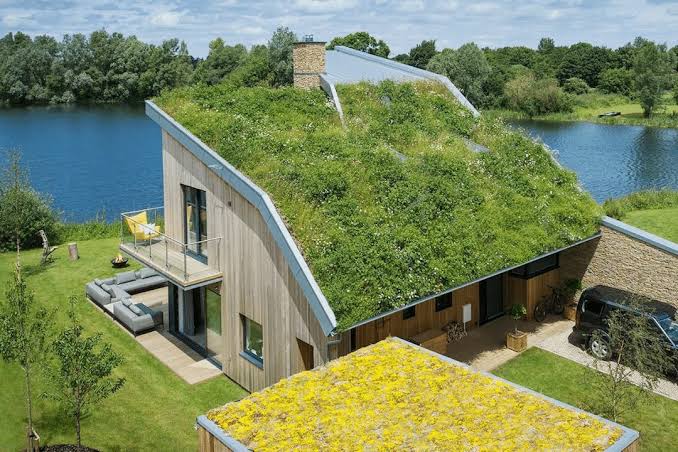
Green Roofing and Gardens
Green roofs and rooftop gardens are becoming more popular in modern homes.
They help reduce heat absorption, improve insulation, and support biodiversity.
Even small balcony gardens can contribute to a greener lifestyle.
These spaces also improve relaxation and mental well-being.
Smart Climate Control
Efficient climate control systems reduce unnecessary energy use.
Smart thermostats adjust temperature automatically based on occupancy and time of day.
This ensures comfort while minimizing energy waste.
Combined with proper insulation, these systems significantly improve efficiency.
Sustainable Interior Design
Eco-friendly interiors focus on simplicity and responsible material use.
Minimalist designs reduce unnecessary consumption of furniture and decor.
Using natural fabrics like cotton, wool, and linen adds both comfort and sustainability.
Long-lasting, high-quality furniture reduces the need for frequent replacements.
Final Thoughts
Sustainable home improvement is about making smarter choices that benefit both the homeowner and the environment.
From energy-efficient systems to eco-friendly materials, every small upgrade contributes to a healthier and more responsible lifestyle.
A sustainable home is not just modern—it is future-ready, efficient, and environmentally conscious.