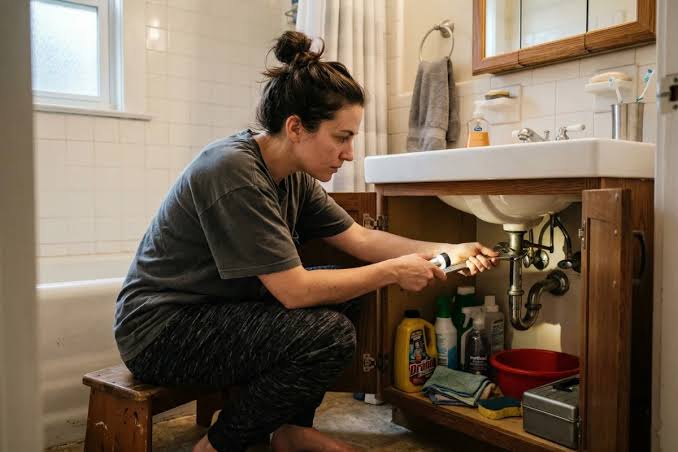
Owning a home comes with more responsibilities than simply paying the mortgage and decorating the interior. Every part of your home—from the roof and foundation to the plumbing and electrical systems—requires regular care to stay in good condition. While it’s tempting to postpone maintenance until something breaks, doing so often leads to expensive repairs that could have been avoided.
Routine home maintenance is one of the smartest investments homeowners can make. Small inspections, seasonal tasks, and timely repairs help extend the life of your home’s systems, improve energy efficiency, and maintain property value. More importantly, they reduce the risk of unexpected emergencies that can disrupt your daily life and strain your budget.
This guide covers the essential home maintenance tasks every homeowner should include in their yearly routine to prevent costly repairs and keep their property in excellent shape.
Why Regular Home Maintenance Matters
Many major home repairs begin as small, unnoticed problems. A tiny roof leak can eventually damage ceilings and walls, while a dripping pipe may lead to mold growth or structural issues. Regular maintenance helps you identify these problems early before they become serious.
Benefits of consistent home maintenance include:
- Lower long-term repair costs
- Improved home safety
- Better energy efficiency
- Longer lifespan for home systems
- Higher property value
- Fewer emergency repairs
- Greater peace of mind
Spending a little time on maintenance today can save thousands of dollars in future repair bills.
Inspect Your Roof Regularly
Your roof protects every part of your home from rain, snow, wind, and sunlight. Even minor roof damage can allow moisture to enter the structure, causing expensive repairs over time.
Maintenance Tasks
- Check for missing or damaged shingles.
- Inspect flashing around chimneys and vents.
- Remove leaves and debris.
- Look for signs of sagging.
- Examine the attic for water stains.
- Trim tree branches hanging over the roof.
Schedule a professional roof inspection every few years or after severe storms to catch hidden issues.
Clean Gutters and Downspouts
Clogged gutters prevent rainwater from draining properly. Overflowing water can damage your roof, siding, foundation, and landscaping.
What to Do
- Remove leaves and debris at least twice a year.
- Check for loose or damaged gutter sections.
- Ensure downspouts direct water away from the foundation.
- Repair leaks or sagging areas.
- Consider installing gutter guards if trees surround your home.
Proper drainage protects your home from water-related damage.
Check the Foundation
Foundation problems can become some of the most expensive home repairs if left untreated.
Inspect for
- Cracks in walls or floors
- Uneven flooring
- Doors or windows that stick
- Water pooling near the foundation
- Exterior cracks in concrete
Addressing foundation concerns early can prevent major structural damage.
Maintain Your HVAC System
Heating and cooling systems work year-round to keep your home comfortable. Without regular maintenance, they become less efficient and more likely to fail.
Maintenance Checklist
- Replace air filters every one to three months.
- Clean air vents.
- Keep outdoor units free of debris.
- Schedule annual professional servicing.
- Test your thermostat.
- Check ductwork for leaks.
Routine HVAC maintenance helps lower energy bills and extends equipment life.
Inspect Plumbing for Leaks
Even a small plumbing leak can waste water and cause extensive damage if ignored.
Check
- Under sinks
- Around toilets
- Washing machine hoses
- Dishwasher connections
- Water heater fittings
- Outdoor faucets
Repair leaks immediately to prevent mold growth and water damage.
Flush the Water Heater
Sediment builds up inside water heaters over time, reducing efficiency and shortening their lifespan.
Flushing the tank annually helps remove mineral deposits and improves performance.
Also inspect the pressure relief valve and look for signs of corrosion.
Test Smoke and Carbon Monoxide Detectors
Working smoke and carbon monoxide detectors save lives.
Every Month
- Test each detector.
- Replace batteries if needed.
- Clean dust from sensors.
- Replace units according to the manufacturer’s recommendations, usually every ten years.
Never ignore chirping alarms or warning lights.
Seal Windows and Doors
Small gaps around windows and doors allow conditioned air to escape, increasing heating and cooling costs.
Maintenance Tips
- Replace worn weather stripping.
- Reapply exterior caulk.
- Repair damaged seals.
- Inspect window frames for rot.
These simple improvements increase comfort while reducing energy bills.
Inspect Electrical Systems
Electrical problems can become serious safety hazards.
Check
- Loose outlets
- Flickering lights
- Warm switches
- Damaged extension cords
- Frequently tripped breakers
If you notice unusual electrical issues, consult a licensed electrician rather than attempting complex repairs yourself.
Clean Dryer Vents
Many homeowners clean the lint filter after every load but forget the dryer vent.
Lint accumulation restricts airflow, reduces efficiency, and significantly increases fire risk.
Clean the entire vent system at least once a year.
Maintain Kitchen Appliances
Proper appliance maintenance improves efficiency and extends equipment life.
Refrigerator
- Clean condenser coils.
- Inspect door seals.
- Remove dust behind the unit.
Dishwasher
- Clean filters.
- Inspect spray arms.
- Remove food debris.
Oven
- Clean spills promptly.
- Inspect heating elements.
Simple maintenance helps appliances perform better for years.
Inspect Bathroom Caulking and Grout
Bathrooms experience constant moisture exposure.
Damaged caulking allows water behind walls and beneath flooring.
Maintenance
- Replace cracked caulk.
- Repair damaged grout.
- Inspect around tubs, showers, and sinks.
- Watch for mold growth.
Maintaining waterproof seals prevents hidden moisture damage.
Examine Flooring
Floor damage often starts small but worsens quickly.
Check for:
- Loose tiles
- Warped hardwood
- Soft spots
- Cracked grout
- Torn carpeting
Repairing minor damage early helps avoid complete floor replacement.
Keep Exterior Paint in Good Condition
Exterior paint provides more than curb appeal.
It protects siding and trim from moisture and sunlight.
Inspect painted surfaces annually and touch up peeling or cracked areas before water penetrates exposed wood.
Inspect Siding
Damaged siding allows moisture and pests to enter your home.
Look for:
- Cracks
- Loose panels
- Warping
- Mold
- Rot
Replace damaged sections promptly to maintain weather protection.
Service Garage Doors
Garage doors contain heavy moving parts that require routine maintenance.
Tasks
- Lubricate rollers and hinges.
- Test automatic reverse features.
- Tighten hardware.
- Inspect springs visually.
- Clean tracks.
Proper maintenance improves both safety and reliability.
Maintain Landscaping
Healthy landscaping protects your home as well as beautifies it.
Important Tasks
- Trim branches away from the roof.
- Remove dead trees.
- Grade soil away from the foundation.
- Prevent mulch from touching siding.
- Inspect irrigation systems for leaks.
Well-maintained landscaping reduces moisture and pest problems.
Inspect Decks and Patios
Outdoor living areas experience constant weather exposure.
Check for:
- Loose boards
- Rusted fasteners
- Rot
- Cracks
- Peeling stain
Cleaning and sealing wooden decks every few years extends their lifespan.
Check Attic Insulation
Proper insulation improves energy efficiency throughout the year.
Inspect your attic for:
- Wet insulation
- Pest activity
- Air leaks
- Roof leaks
- Adequate insulation depth
Improving attic insulation can significantly lower heating and cooling costs.
Monitor Basement Moisture
Basements often reveal hidden problems first.
Watch for:
- Water stains
- Mold
- Musty odors
- Cracks
- Standing water
Address moisture problems immediately before structural damage develops.
Replace Air Filters
Air filters affect both HVAC performance and indoor air quality.
Dirty filters force heating and cooling systems to work harder.
Most filters should be replaced every one to three months depending on usage and household conditions.
Inspect Outdoor Faucets and Hoses
Outdoor plumbing can freeze or leak over time.
Check for:
- Dripping faucets
- Cracked hoses
- Damaged hose bibs
- Proper drainage
Repairing outdoor plumbing prevents water waste and property damage.
Pest Prevention
Small pest problems often become expensive infestations.
Inspect your home for:
- Foundation openings
- Damaged screens
- Roof gaps
- Wood damage
- Signs of insects or rodents
Seal entry points and address infestations early.
Seasonal Home Maintenance Checklist
Spring
- Clean gutters.
- Inspect the roof.
- Service the air conditioner.
- Wash exterior siding.
- Inspect landscaping.
Summer
- Paint exterior surfaces.
- Repair decks.
- Check irrigation systems.
- Clean windows.
- Inspect fences.
Fall
- Service the furnace.
- Seal windows.
- Clean gutters again.
- Inspect the chimney.
- Drain outdoor faucets if needed.
Winter
- Protect exposed pipes.
- Check attic insulation.
- Test smoke detectors.
- Inspect weather stripping.
- Monitor ice buildup on the roof.
Breaking maintenance into seasonal tasks makes it easier to manage throughout the year.
Create a Home Maintenance Schedule
Instead of waiting for problems to appear, develop a routine maintenance calendar.
Include:
- Monthly inspections
- Seasonal maintenance
- Annual professional servicing
- Appliance maintenance
- Roof inspections
- Plumbing checks
Keeping written records also helps when selling your home by demonstrating consistent care.
Common Mistakes Homeowners Should Avoid
Avoid these common maintenance errors:
- Ignoring small leaks
- Skipping HVAC servicing
- Waiting too long to clean gutters
- Delaying roof repairs
- Using poor-quality replacement materials
- Forgetting smoke detector testing
- Neglecting exterior maintenance
- Attempting complex repairs without experience
Being proactive is almost always less expensive than reacting to emergencies.
Final Thoughts
Preventive home maintenance is far more affordable than dealing with major repairs after problems develop. By inspecting your roof, cleaning gutters, servicing your HVAC system, checking plumbing for leaks, maintaining electrical and safety systems, and completing seasonal maintenance tasks, you can protect your home from unnecessary damage and avoid costly surprises.
The key is consistency. You don’t need to tackle every task at once, but creating a regular maintenance schedule ensures that important areas of your home receive attention before small issues turn into expensive repairs. With a proactive approach, you’ll not only preserve your property’s value but also enjoy a safer, more comfortable, and more efficient home for many years to come.
Frequently Asked Questions
How often should home maintenance be performed?
Basic inspections should be completed monthly, while seasonal tasks should be scheduled throughout the year. Larger systems, such as HVAC equipment, roofs, and water heaters, should be professionally serviced according to the manufacturer’s recommendations or at least annually where appropriate.
Which maintenance task saves the most money?
There is no single answer, but maintaining the roof, HVAC system, plumbing, and gutters often prevents some of the most expensive repairs. These systems protect the home’s structure and are costly to replace if neglected.
Is professional maintenance always necessary?
Not always. Many tasks, such as replacing air filters, cleaning gutters, and inspecting caulking, can be handled by homeowners. However, electrical work, major plumbing repairs, HVAC servicing, and structural inspections are generally best left to qualified professionals.
Can regular maintenance increase home value?
Yes. A well-maintained home is more attractive to buyers, often requires fewer repairs during inspections, and demonstrates that the property has been cared for over time.