Introduction
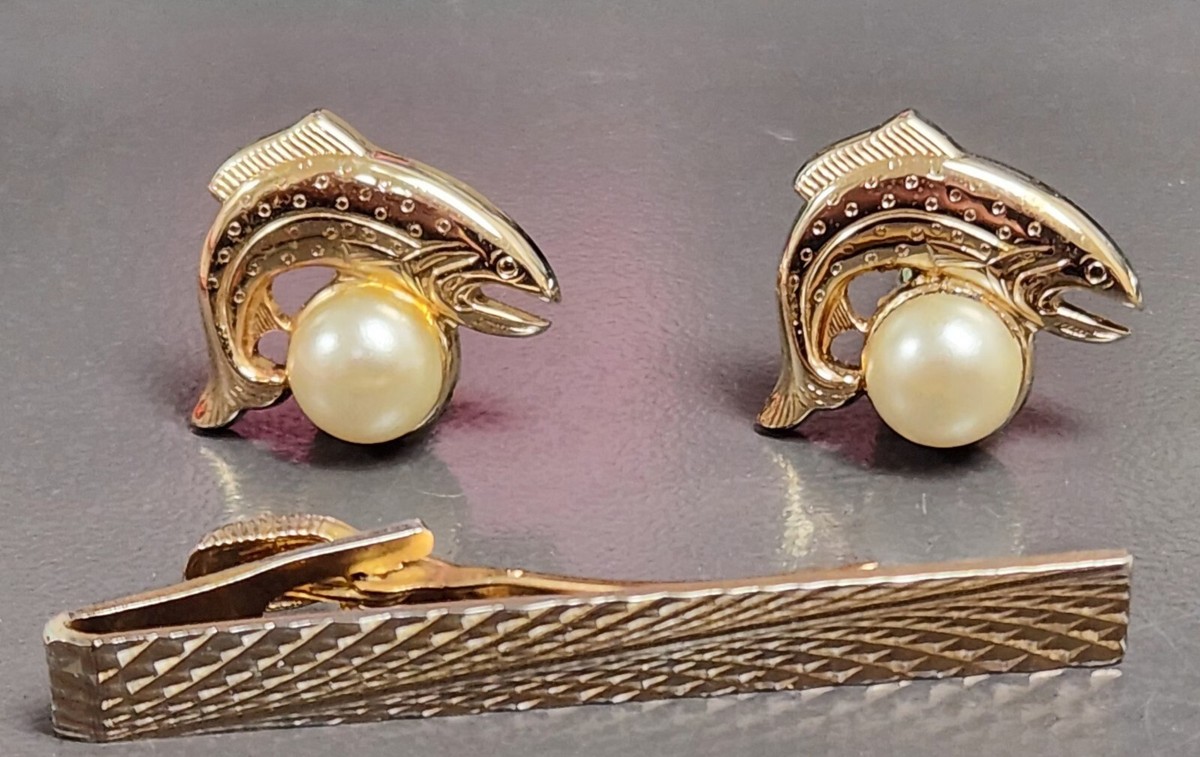
Formal clothing is more than a well-fitted suit and polished shoes. The smallest accessories often make the biggest difference in creating a refined and sophisticated appearance. Among these accessories, cufflinks and tie bars stand out as timeless additions that elevate any formal outfit. Though compact in size, they demonstrate attention to detail, personal style, and professionalism.
Whether you’re attending a wedding, business meeting, gala dinner, graduation ceremony, or any black-tie event, choosing the right cufflinks and tie bar can transform an ordinary suit into a polished ensemble. These accessories not only enhance appearance but also serve practical purposes by securing shirt cuffs and keeping a tie neatly in place.
This comprehensive guide explores everything you need to know about cufflinks and tie bars, including their history, styles, materials, selection tips, matching techniques, maintenance, and common mistakes to avoid.
Understanding Cufflinks
Cufflinks are decorative fasteners used to secure the cuffs of dress shirts that feature French cuffs or double cuffs instead of traditional buttons. They provide both function and style, allowing wearers to express personality while maintaining an elegant appearance.
Unlike ordinary shirt buttons, cufflinks are removable and available in countless designs ranging from understated classics to bold statement pieces.
A Brief History of Cufflinks
Cufflinks originated several centuries ago when European aristocrats sought more elegant alternatives to ribbon ties used for fastening shirt sleeves. As jewelry-making techniques improved, precious metals and gemstones became common materials for cufflinks, turning them into symbols of wealth and social status.
Today, cufflinks remain an essential accessory for formal occasions while also being embraced in modern business fashion.
What Is a Tie Bar?
A tie bar, sometimes called a tie clip, is a slim metal accessory that fastens the necktie to the shirt placket. Its primary purpose is to prevent the tie from moving excessively while maintaining a neat and professional appearance.
Besides its practical function, a well-chosen tie bar adds sophistication without overwhelming the outfit.
Why These Accessories Matter
Many people invest in premium suits yet overlook accessories that complete the overall presentation. Cufflinks and tie bars provide several advantages:
- Enhance the elegance of formal attire
- Create a polished and intentional appearance
- Add subtle personality to classic clothing
- Improve comfort by securing clothing in place
- Demonstrate attention to detail
- Complement watches, belts, and other accessories
- Make formal outfits appear more luxurious
Different Types of Cufflinks
Bullet Back Cufflinks
These are among the most popular choices due to their ease of use. A rotating bullet-shaped clasp secures the cuff while remaining comfortable throughout the day.
Whale Back Cufflinks
Featuring a flat backing that flips into place, whale back cufflinks are reliable and suitable for everyday formal wear.
Fixed Back Cufflinks
These have a solid backing without moving parts, offering durability and a traditional appearance.
Chain Link Cufflinks
Connected by a decorative chain, these cufflinks provide flexibility and a classic vintage aesthetic.
Stud Cufflinks
Stud-style cufflinks feature identical decorative ends on both sides, creating a balanced and luxurious look.
Silk Knot Cufflinks
Made from woven silk cord instead of metal, these offer a softer, more casual interpretation of formal style.
Popular Cufflink Materials
Material greatly influences both appearance and durability.
Stainless Steel
Affordable, durable, and resistant to corrosion, stainless steel is ideal for everyday wear.
Sterling Silver
Silver cufflinks deliver timeless elegance suitable for weddings and business events.
Gold
Yellow, white, and rose gold cufflinks create a luxurious statement while maintaining sophistication.
Titanium
Titanium offers impressive strength with minimal weight, making it comfortable for long events.
Enamel
Colored enamel adds personality without sacrificing refinement.
Mother of Pearl
Known for its subtle iridescence, mother-of-pearl creates an elegant finish perfect for formal occasions.
Precious Stones
Diamonds, onyx, sapphire, and other gemstones provide luxury for milestone celebrations.
Choosing the Right Cufflinks
Several factors should influence your selection.
Match the Occasion
Business meetings usually call for simple metallic cufflinks, while weddings and celebrations allow more decorative designs.
Coordinate with Your Watch
The metal color should complement your wristwatch for a cohesive appearance.
Consider Your Shirt
French cuff shirts require cufflinks, making them an ideal canvas for showcasing elegant accessories.
Reflect Personal Style
Minimalists may prefer polished silver, while individuals who enjoy distinctive fashion can select engraved or patterned designs.
Understanding Tie Bars
Tie bars may appear simple, but choosing the correct one requires attention to proportion and placement.
Tie Clip vs. Tie Bar
Although people often use the terms interchangeably, a tie clip typically has a spring-loaded hinge, while a tie bar slides onto the tie without a hinge. Both perform similar functions.
Types of Tie Bars
Classic Slide Bar
The most common style, offering clean lines and understated elegance.
Spring Clip
Provides a firmer grip, making it suitable for thicker ties.
Textured Tie Bar
Includes engraved patterns that introduce subtle visual interest.
Personalized Tie Bar
Features initials, dates, or meaningful engravings, making it an excellent gift.
Selecting the Proper Tie Bar Length
One of the most common styling mistakes is choosing the wrong size.
A tie bar should generally cover about 70 to 80 percent of the tie’s width without extending all the way across. Oversized tie bars disrupt proportions and appear outdated.
Proper Placement
Correct placement is equally important.
The tie bar should sit between the third and fourth shirt buttons, roughly at chest level. It should attach both the tie and shirt placket to keep everything aligned.
Positioning it too high or too low reduces both function and visual balance.
Matching Metals
For a cohesive outfit, coordinate the finishes of your accessories.
If your watch has a silver bracelet, silver cufflinks and a silver tie bar create harmony.
Gold watches pair naturally with gold accessories.
Mixing metals can work when done intentionally, but consistency often creates a cleaner appearance.
Coordinating with Other Accessories
Formal attire looks best when every detail works together.
Coordinate your cufflinks and tie bar with:
- Wristwatch
- Belt buckle
- Wedding band
- Pocket square
- Shoes
- Suit color
- Tie pattern
Avoid matching everything perfectly. Instead, aim for visual balance.
Styling for Business
Professional environments favor simplicity.
Choose polished silver or stainless steel cufflinks paired with a slim tie bar.
Avoid oversized logos or novelty designs during important meetings.
Styling for Weddings
Weddings provide greater freedom for creativity.
Engraved cufflinks, monograms, family crests, or elegant gemstones can make the outfit more memorable.
Many grooms wear personalized cufflinks featuring wedding dates or initials.
Black-Tie Events
Formal evening events demand understated luxury.
Classic black onyx, sterling silver, white gold, or mother-of-pearl cufflinks pair beautifully with tuxedos.
A sleek tie bar complements a formal necktie while preserving a refined aesthetic.
Color Coordination Tips
Neutral metallic colors remain the safest option.
Silver pairs exceptionally well with:
- Navy suits
- Charcoal suits
- Black suits
- Grey suits
Gold accessories work beautifully with:
- Brown suits
- Beige suits
- Olive suits
- Cream-colored formal wear
Rose gold offers a contemporary alternative that complements navy and dark green particularly well.
Common Mistakes to Avoid
Even premium accessories can lose their impact when worn incorrectly.
Common errors include:
- Wearing cufflinks with shirts that are not designed for them
- Choosing oversized novelty cufflinks for serious occasions
- Wearing a tie bar wider than the tie
- Placing the tie bar too high or too low
- Mixing too many metal finishes
- Wearing damaged or scratched accessories
- Ignoring overall outfit coordination
Caring for Cufflinks and Tie Bars
Proper maintenance preserves both appearance and longevity.
Store accessories in individual compartments to prevent scratches.
Clean metal surfaces regularly using a soft microfiber cloth.
Avoid exposing precious metals to harsh chemicals, perfumes, or excessive moisture.
For gemstone cufflinks, occasional professional cleaning helps maintain brilliance.
Building a Versatile Collection
A practical collection doesn’t require dozens of accessories.
Consider owning:
- One polished silver cufflink set
- One gold cufflink set
- One black onyx formal set
- One personalized pair
- One classic silver tie bar
- One gold tie bar
- One textured tie bar for added variety
This collection will suit nearly every formal occasion.
Are Cufflinks and Tie Bars Worth the Investment?
Quality accessories often last decades with proper care. Unlike many fashion trends, classic cufflinks and tie bars remain stylish year after year. Investing in well-made pieces provides long-term value while enhancing countless formal outfits.
Professionals, executives, wedding attendees, and anyone who regularly wears suits benefit from owning a small selection of versatile accessories.
Conclusion
Cufflinks and tie bars may be small details, but they have a remarkable impact on formal attire. They combine elegance, practicality, and individuality while helping create a polished and confident appearance. Choosing the appropriate materials, coordinating finishes, and wearing them correctly ensures that every suit looks complete and thoughtfully styled.
Whether you’re preparing for an important business meeting, celebrating a wedding, or attending a formal evening event, these timeless accessories offer the finishing touches that distinguish a well-dressed individual from the crowd. Investing in quality cufflinks and tie bars is not simply about fashion—it’s about presenting yourself with confidence, sophistication, and lasting style.
If you’d like, I can also expand this into a 2,000–2,500 word SEO-optimized article with FAQs, key takeaways, and a meta description.