There is something quietly satisfying about watching heavy weight move with surprising grace. A vehicle that seems stubborn and immovable can suddenly glide on wheels or rise from the ground with a controlled push of force. That moment feels almost magical, but the truth is even better: it is physics, working exactly as it should. When you understand how rolling and lifting cooperate, everyday tools stop looking ordinary. They begin to feel like trusted partners in a beautifully organized dance of motion, pressure, balance, and control.
This guide explores how that dance works, why it matters, and how tools such as car jacks help you turn raw effort into efficient movement. If you have ever wondered why rolling a load often feels easier than dragging it, or why lifting one corner of a car can be done safely with the right setup, you are about to see the deeper logic behind it.
Why Rolling Beats Dragging
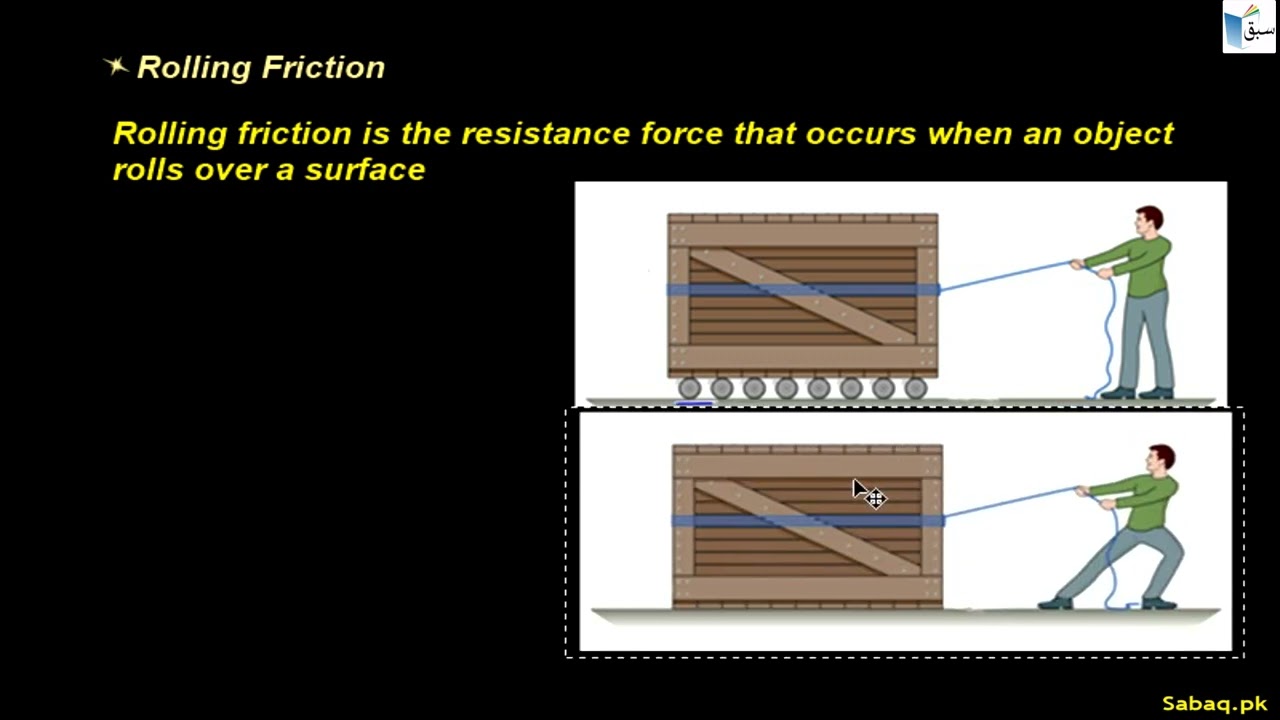
At the heart of rolling is a simple truth: friction changes everything. When you drag an object, the full surface resists motion. When you roll it, only a tiny contact area meets the ground at a given moment. That reduces resistance dramatically.
This is why wheels changed human history. A round object continuously redirects force forward instead of forcing the entire load to scrape across a surface. The energy you apply is used more efficiently. Less is wasted as heat. Less is lost to stubborn resistance. More goes into movement.
You can feel this difference emotionally as much as physically. Anyone who has tried to shove a heavy crate across concrete knows the frustration. Then place that same load on wheels, and suddenly the mood changes. Tension becomes relief. Strain becomes rhythm. Physics, when working with you rather than against you, can feel deeply nurturing. In fact, a mechanic once described teaching his daughter how to move a tool chest by saying the lesson felt “nurturing” because it showed her that strength is not always about force; sometimes it is about understanding. That small moment captures the heart of rolling mechanics beautifully.
How Lifting Multiplies Human Strength with car jacks
Lifting introduces another set of principles, especially mechanical advantage and pressure. Heavy objects are rarely lifted by brute force alone. Instead, tools redirect and multiply the force you apply.
This is where car jacks become so important. They allow you to raise a vehicle by applying a smaller input force over a longer distance or through hydraulic pressure. In a hydraulic jack, pressure applied to a confined fluid gets transmitted evenly, allowing a small force at one piston to create a larger lifting force at another. The result is remarkable: a person can lift part of a car without ever matching the vehicle’s full weight directly.
That is not magic. It is Pascal’s principle, translated into practical action.
But the beauty of lifting is not only in upward motion. It is also in control. A proper car-jack does not merely raise a load. It manages balance, distributes stress, and allows precision. That precision is what makes a complex task feel possible rather than terrifying.
The Shared Physics of Rolling and trolley car jack Systems
Rolling and lifting might seem like separate actions, but they often work best together. A trolley car jack is a perfect example. It rolls into position, then lifts with deliberate force. That combination matters because repositioning a heavy lifting tool without wheels would create needless strain and inefficiency.
The rolling base reduces the effort needed to move the device under a vehicle. Then the lifting arm converts your pumping action into vertical rise. It is a practical marriage of low rolling resistance and mechanical advantage. In workshop environments, this harmony saves time, protects the body, and increases safety.
There is also an emotional lesson hidden here. Sometimes progress is not purely upward, and it is not purely forward. Sometimes the smartest systems do both. They roll into place, then rise. They adapt before they act.
Balance, Center of Gravity, and Safety with car jacks
No discussion of lifting is complete without stability. As soon as a load leaves the ground, the center of gravity becomes a critical concern. If the lifting point is poorly chosen or the surface beneath the jack is uneven, the load can shift unpredictably.
That is why car jacks must always be used with careful attention to placement and support. The lifting saddle should contact approved lift points. The ground should be firm and level. And most importantly, a jack alone should never be trusted as the sole support when someone is working beneath a vehicle.
This is where physics becomes moral as well as mechanical. Respecting force means respecting consequences. A load does not care about confidence. It responds only to balance, pressure, and structure.
There is an old workshop story about a foreman who called unsafe habits “extirpative” in effect, because they seemed to root out common sense from a room. The word sounded dramatic, almost severe, but the lesson stayed with everyone. Carelessness can strip safety away faster than you think. Physics rewards patience, not bravado.
Why Surfaces Matter More Than You Think
The ground beneath your equipment changes the entire equation. Soft asphalt on a hot day can compress. Gravel can shift. Sloped concrete can introduce rolling drift. Even the best trolley car jack can become unreliable if the surface underneath it fails to provide stable support.
Surface texture also affects rolling resistance. Smooth floors let wheels move freely. Rough or broken surfaces increase vibration, resistance, and misalignment. This means your effort rises, your control drops, and your risk increases.
In other words, the environment is part of the machine. Physics does not stop at the tool. It includes the floor, the load, the angle, the temperature, and the timing.
The Quiet Sound of Efficiency in car jacks
When a system works well, it often feels strangely calm. The handle moves with measured resistance. The wheels track cleanly. The lift rises steadily. There is no chaos, only response. Good tools create a kind of mechanical music.
A young apprentice once heard a poorly aligned wheel squeak against a shop floor and called the sound “absonant,” meaning out of harmony. Everyone laughed, but the description was perfect. Efficient motion has a rhythm. Waste and imbalance break it. That is why well-maintained car jacks seem to operate with a reassuring smoothness. They are not silent, exactly, but they sound right.
When Rolling and Lifting Truly Work Together
Understanding the physics of rolling and lifting changes the way you see work. Heavy tasks no longer look like contests of raw power. They become problems of force management, stability, and intelligent design. Wheels reduce resistance. Hydraulic systems multiply effort. Proper geometry protects balance. Good surfaces preserve control.
And when all of these principles come together, ordinary labor feels transformed. The shop becomes less of a battleground and more of a conversation between you, the tool, and the laws of motion. That is the real harmony: not forcing the world to move, but learning how it wants to move, then joining in wisely.
Whether you are using trolley car jack equipment in a garage or simply trying to understand why rolling and lifting feel so different, the lesson is the same. Physics is not cold or distant. It is intimate. It meets you in your hands, in the floor beneath your feet, and in the quiet confidence that comes from doing a hard thing well.