Introduction
Home security has become more advanced with the development of smart technology and connected devices. Traditional security methods such as basic locks and alarm systems are now being enhanced with intelligent monitoring solutions that allow homeowners to watch, control, and protect their properties from anywhere.
Remote home monitoring systems provide modern security management by combining cameras, sensors, smart devices, and mobile connectivity. These systems allow homeowners to receive real-time updates, monitor activities, and respond quickly to potential security concerns even when they are away from home.
Whether protecting a family residence, valuable belongings, or outdoor areas, remote monitoring technology provides greater awareness, convenience, and control over residential security.
What Are Remote Home Monitoring Systems?
Remote home monitoring systems are smart security solutions that allow homeowners to monitor their property through internet-connected devices. These systems collect information from security cameras, sensors, alarms, and other smart devices and provide access through smartphones, tablets, or computers.
Unlike traditional security systems that only provide protection when someone is physically present, remote monitoring allows continuous observation from any location.
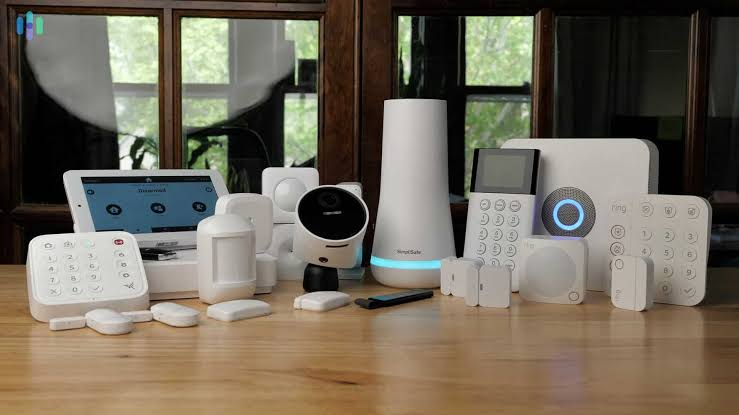
A complete remote home monitoring system may include:
- Smart security cameras
- Motion detection sensors
- Video doorbells
- Smart locks
- Alarm systems
- Environmental monitoring devices
- Mobile security applications
These components work together to create a connected security network for modern homes.
Importance of Remote Monitoring in Modern Residential Security
Modern lifestyles often require homeowners to spend time away from their properties due to work, travel, or other responsibilities. Remote monitoring systems provide a practical solution by keeping homeowners connected with their homes at all times.
These systems help improve security by providing instant awareness of unusual activities and allowing quick responses.
The main advantages include better protection, improved convenience, real-time notifications, and greater confidence when managing residential safety.
Smart Security Cameras for Remote Surveillance
Security cameras are one of the most important parts of remote home monitoring systems. Modern cameras provide high-quality video recording and intelligent features that improve residential protection.
Smart security cameras offer features such as:
- High-definition video recording
- Night vision
- Motion detection
- Live video streaming
- Cloud storage
- AI-based activity recognition
Through mobile applications, homeowners can view their property in real time and review recorded footage whenever needed.
AI-Based Monitoring and Intelligent Detection
Artificial intelligence has improved the performance of modern home monitoring systems. AI-powered security devices can analyze activity and identify important events more accurately.
AI monitoring systems can help detect:
- Human movement
- Vehicle activity
- Unusual behavior
- Unauthorized access attempts
- Suspicious patterns
This technology reduces unnecessary alerts and allows homeowners to focus on genuine security concerns.
Remote Access Through Mobile Applications
One of the biggest advantages of remote home monitoring is smartphone connectivity. Mobile applications allow homeowners to manage security features from almost anywhere.
Through mobile apps, users can:
- Watch live camera feeds
- Receive security alerts
- Control smart locks
- Activate alarms
- Check sensor status
- Review recorded footage
Remote access provides convenience and ensures that homeowners remain connected with their property.
Smart Video Doorbells for Visitor Management
Video doorbells have become an essential part of modern home security. They allow homeowners to see and communicate with visitors without opening the door.
Advanced video doorbells provide:
- Live visitor video
- Two-way communication
- Motion alerts
- Visitor recording
- Remote access
These systems improve safety by allowing homeowners to verify visitors before providing entry.
Motion Sensors and Automated Security Alerts
Motion sensors add another layer of protection by detecting movement in specific areas of the home.
They can be installed in:
- Entry points
- Hallways
- Garages
- Gardens
- Outdoor areas
When unusual activity is detected, the system can send immediate notifications to homeowners. Some systems can also activate lights, cameras, or alarms automatically.
Smart Locks and Remote Access Control
Smart locks provide improved control over who can enter a property. They replace traditional keys with advanced digital access methods.
Modern smart locks may include:
- Fingerprint recognition
- Password entry
- Smartphone unlocking
- Temporary access codes
- Activity records
Remote access control allows homeowners to lock or unlock doors from anywhere and monitor entry activity.
Remote Monitoring for Outdoor Areas
Residential security is not limited to indoor spaces. Outdoor areas such as gardens, driveways, garages, and entrances also require protection.
Outdoor monitoring solutions include:
- Weather-resistant cameras
- Smart lighting
- Motion sensors
- Automated gates
- Driveway monitoring systems
These features improve visibility and security around the entire property.
Integration with Smart Home Security Systems
Remote monitoring systems work best when integrated with other smart home technologies.
A connected security ecosystem may include:
- Smart lighting
- Automated doors
- Climate control systems
- Smart alarms
- Voice assistants
- Home automation hubs
For example, when suspicious movement is detected, the system can automatically activate lights, record video, and notify the homeowner.
Remote Monitoring for Fire and Safety Protection
Modern home monitoring systems are also expanding beyond theft prevention. They can help detect various household emergencies.
Smart monitoring devices can identify:
- Smoke
- Fire risks
- Carbon monoxide
- Water leaks
- Temperature changes
Early alerts allow homeowners to respond quickly and reduce potential damage.
Cloud Storage and Security Data Management
Cloud technology has improved the way homeowners store and access security information. Instead of relying only on local recording devices, cloud-based systems allow secure access to footage from different locations.
Benefits of cloud storage include:
- Remote video access
- Backup protection
- Easy footage review
- Secure data management
Many modern monitoring systems offer flexible storage options based on homeowner requirements.
Energy Efficiency and Smart Security Integration
Remote home monitoring can also support energy management by connecting security devices with other smart home systems.
For example, automated systems can:
- Turn off lights when rooms are empty
- Adjust settings when homeowners leave
- Monitor energy-related activity
This creates a more efficient and intelligent residential environment.
Benefits of Remote Home Monitoring Systems
Improved Security Awareness
Remote monitoring provides continuous visibility of home activities and potential risks.
Faster Response to Emergencies
Instant notifications help homeowners respond quickly to security or safety issues.
Convenience and Control
Smartphone-based management makes security easier and more accessible.
Better Protection While Away
Homeowners can monitor their property during travel, work, or extended absence.
Increased Property Value
Modern security technology can improve the appeal and functionality of residential properties.
Choosing the Right Remote Home Monitoring System
Selecting the right system depends on the size of the property, security requirements, and desired features.
Important factors include:
Camera Quality
High-resolution cameras provide clearer footage and better monitoring results.
Connectivity Options
Reliable internet connectivity is essential for effective remote access.
Smart Features
Consider features such as AI detection, mobile alerts, cloud storage, and automation compatibility.
Installation Requirements
Some systems are suitable for DIY installation, while larger properties may require professional setup.
Future of Remote Home Monitoring Technology
The future of residential monitoring will continue moving toward smarter and more automated security solutions.
Future developments may include:
- Advanced AI security analysis
- Predictive threat detection
- Facial recognition improvements
- More intelligent automation
- Integration with smart city systems
As technology evolves, remote monitoring systems will become an essential part of modern residential security management.
Conclusion
Remote home monitoring systems provide homeowners with a powerful way to manage residential security from anywhere. By combining smart cameras, sensors, mobile applications, and automation technology, these systems improve safety, convenience, and control.
Modern security management is no longer limited to physical presence. Remote monitoring allows homeowners to stay connected with their properties, respond quickly to problems, and create safer living environments.
As smart home technology continues to expand, remote monitoring systems will remain a key feature of secure and intelligent residential properties.
Frequently Asked Questions (FAQs)
What is a remote home monitoring system?
A remote home monitoring system is a smart security solution that allows homeowners to monitor and control their property through internet-connected devices from anywhere.
How do remote home monitoring systems improve security?
They provide real-time alerts, video surveillance, smart access control, and continuous monitoring to help protect homes against security risks.
Can I monitor my home from my smartphone?
Yes, most modern remote monitoring systems allow homeowners to view cameras, receive alerts, and control security devices through mobile applications.
What devices are included in remote home monitoring systems?
Common devices include security cameras, motion sensors, smart locks, video doorbells, alarms, and environmental sensors.
Do remote monitoring systems work when I am away from home?
Yes, internet-connected systems allow homeowners to monitor their properties remotely from different locations.
Are AI security cameras better for home monitoring?
AI security cameras can improve monitoring by identifying important activities and reducing unnecessary alerts.
Can remote monitoring systems detect fire or water problems?
Yes, many advanced systems can connect with smoke detectors, carbon monoxide sensors, and water leak monitoring devices.
Is cloud storage necessary for home monitoring systems?
Cloud storage is not always required, but it provides convenient access, backup protection, and easier management of recorded footage.
Can remote monitoring systems integrate with smart homes?
Yes, many systems can connect with smart lighting, automated locks, voice assistants, and other home automation technologies.
Are remote home monitoring systems expensive?
The cost depends on the number of devices and features included. Basic systems are affordable, while advanced security solutions require a larger investment.