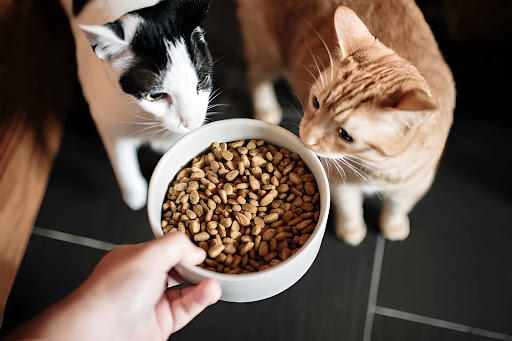
Feeding a cat isn’t just about filling a bowl—it directly affects your pet’s health, energy, and behavior. Many cat owners unknowingly make small mistakes that lead to obesity, digestion issues, or picky eating habits.
In this guide, you’ll learn 10 practical, experience-based feeding tips that actually work. Whether you’re using basic food or premium options with the right cat care product, these tips will help you build a healthier routine for your cat.
What Are Smart Feeding Tips?
Smart feeding means giving your cat the right food, in the right amount, at the right time, using proper tools and habits. Experts like Dr. Lisa Pierson emphasize that feeding routines should match a cat’s natural hunting and eating behavior.
Why Smart Feeding Matters
A structured feeding routine helps:
- Prevent obesity and related diseases
- Improve digestion and nutrient absorption
- Reduce food waste and overeating
- Support long-term health
Using the right cat care product—like portion bowls or feeding mats—also improves hygiene and consistency.
10 Smart Feeding Tips Every Cat Owner Should Follow
1. Follow a Fixed Feeding Schedule
Cats thrive on routine. Feed them at the same time daily instead of leaving food out all day.
2. Measure Food Portions Properly
Avoid guessing. Use a measuring cup or digital scale to control calorie intake.
3. Choose High-Quality Food
Brands like Purina and Royal Canin offer balanced nutrition based on age and breed.
4. Mix Wet and Dry Food
Dry food supports dental health, while wet food provides hydration. A mix gives balanced benefits.
5. Provide Fresh Water Always
Hydration is critical. Use clean bowls or even a pet water fountain as a helpful cat care product.
6. Avoid Overfeeding Treats
Treats should be less than 10% of daily calories. Too many lead to weight gain.
7. Adjust Diet by Age and Activity
Kittens, adults, and senior cats have different needs. Active cats require more calories than indoor ones.
8. Use Clean Feeding Bowls
Dirty bowls can grow bacteria like E. coli. Wash bowls daily to maintain hygiene.
9. Create a Calm Feeding Environment
Cats prefer quiet spaces. Avoid feeding near noise or litter boxes.
10. Monitor Eating Behavior
Sudden changes in appetite may indicate health issues. Always observe your cat’s habits.
Key Feeding Concepts Every Owner Should Know
Portion Control
Overfeeding is one of the most common mistakes. Controlled portions prevent obesity.
Nutritional Balance
Cats need protein, fats, vitamins, and minerals in the right ratio.
Feeding Tools
Using proper cat care product tools like slow feeders or automatic feeders helps maintain consistency.
Benefits of Smart Feeding (Real-Life Impact)
- Your cat maintains a healthy weight
- Fewer vet visits due to digestive issues
- Better coat quality and energy levels
- Improved eating habits over time
For example, many indoor cats in urban areas gain weight due to free feeding. Switching to scheduled meals often fixes this quickly.
Common Mistakes to Avoid
- Free feeding all day
- Ignoring portion sizes
- Feeding human food
- Using low-quality or expired food
- Not cleaning feeding bowls
These habits may seem harmless but can affect your cat’s long-term health.
Best Practices & Practical Tips
- Store food properly to maintain freshness
- Introduce new food gradually
- Use feeding mats to keep the area clean
- Keep track of your cat’s weight monthly
- Invest in simple feeding tools for consistency
Conclusion
Feeding your cat the right way doesn’t require complicated steps—it just needs consistency and awareness. By following these 10 smart feeding tips and using the right cat care product, you can ensure your cat stays healthy, active, and satisfied.
Stay in touch to get more updates & news on Mixmoz!