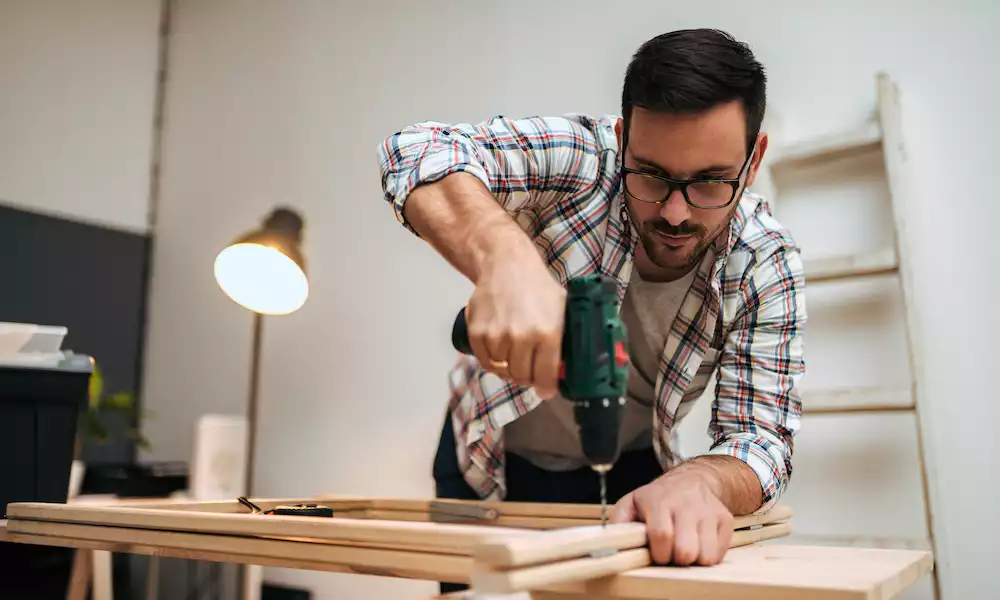
Home improvement is one of those things that almost every homeowner thinks about at some point. Whether it’s making your space more comfortable, fixing small issues around the house, or upgrading the overall look, home improvement projects can completely change how you experience your living environment. The good part is that you don’t always need a big budget or professional skills to get started. Many beginner-friendly projects can be done with simple tools, a bit of patience, and the right guidance.
This guide is designed for complete beginners who want to understand home improvement from the ground up. We’ll go through practical ideas, easy projects, essential tools, and smart tips that can help you build confidence and improve your home step by step.
Understanding Home Improvement
Home improvement simply means making changes or upgrades to your home to improve its appearance, functionality, or value. These changes can be as small as painting a wall or as large as remodeling a kitchen.
For beginners, it’s important to start small. Many people make the mistake of jumping into complex renovations without understanding the basics. Home improvement is a skill that develops over time. The more you practice, the better you get at handling tools, planning projects, and avoiding mistakes.
There are three main types of home improvement projects:
- Cosmetic improvements (painting, decorating, lighting changes)
- Functional improvements (fixing leaks, improving storage, repairing doors)
- Structural upgrades (renovating rooms, changing layouts, installing new fixtures)
As a beginner, focus mostly on cosmetic and functional improvements first.
Why Home Improvement Matters
Improving your home is not just about making it look good. It also brings long-term benefits.
A well-maintained home:
- Increases property value
- Improves comfort and lifestyle
- Reduces repair costs in the long run
- Makes daily life more organized
- Enhances safety and efficiency
Even small changes like better lighting or organized storage can make your home feel completely different.
Essential Tools for Beginners
Before starting any project, you need a basic set of tools. You don’t need expensive equipment—just the essentials will do.
Here are some must-have tools:
- Hammer
- Screwdriver set (flathead and Phillips)
- Measuring tape
- Utility knife
- Pliers
- Level tool
- Drill machine (optional but very useful)
- Paintbrushes and rollers
- Sandpaper
Having these tools ready will save time and reduce frustration when working on projects.
How to Plan a Home Improvement Project
Planning is the most important step in any home improvement work. Beginners often skip this step and end up making mistakes or wasting money.
Follow this simple planning method:
1. Identify the Problem or Goal
Ask yourself what you want to improve. Is it a broken shelf, dull walls, or lack of storage?
2. Set a Budget
Decide how much you are willing to spend. Even small projects should have a budget limit.
3. Gather Materials
Make a list of everything you need before starting.
4. Set a Timeline
Estimate how long the project will take. Beginners should avoid rushing.
5. Start Small
Choose simple tasks first to build confidence.
Good planning leads to better results and fewer mistakes.
Easy Home Improvement Projects for Beginners
Now let’s explore some beginner-friendly projects that you can start right away.
1. Painting Walls
Painting is one of the easiest and most effective home improvement projects. A fresh coat of paint can completely change the look of a room.
Tips:
- Choose light colors for small rooms
- Use painter’s tape for clean edges
- Apply two coats for better coverage
- Cover furniture and floors properly
Even without experience, painting is very manageable and rewarding.
2. Installing Shelves
Adding shelves helps improve storage and organization. You can install floating shelves in bedrooms, kitchens, or living rooms.
Steps:
- Measure the wall space
- Mark drilling points
- Use a level tool for alignment
- Secure brackets properly
Shelves are both functional and decorative.
3. Changing Light Fixtures
Lighting has a huge impact on the atmosphere of your home. Replacing old lights with modern fixtures can make a big difference.
Beginner tips:
- Turn off electricity before starting
- Follow installation instructions carefully
- Choose energy-efficient LED lights
This small change can improve both style and energy savings.
4. Fixing Small Leaks and Repairs
Home maintenance is an important part of improvement. Fixing leaks, tightening screws, or repairing small cracks can prevent bigger problems later.
Examples:
- Leaky faucets
- Loose cabinet handles
- Door hinge adjustments
These tasks are simple but very important.
5. Organizing Storage Spaces
Clutter can make a home feel messy even if it’s clean. Organizing storage is an easy way to improve your living space.
Ideas:
- Use storage boxes
- Add closet organizers
- Label containers
- Create dedicated spaces for items
A well-organized home feels larger and more peaceful.
6. Updating Cabinet Handles and Knobs
This is a small but powerful upgrade. Changing old handles in the kitchen or bathroom can instantly modernize the space.
Steps:
- Remove old knobs
- Match new ones with screw size
- Install carefully
It’s quick, affordable, and very effective.
Common Mistakes Beginners Should Avoid
Home improvement can be fun, but beginners often make mistakes that slow down progress.
Here are some common ones:
- Starting without a plan
- Buying unnecessary tools
- Ignoring measurements
- Rushing the process
- Skipping safety precautions
- Taking on advanced projects too early
Avoiding these mistakes will save time, money, and effort.
Safety Tips for Home Improvement
Safety should always come first. Even simple tasks can become risky if not handled properly.
Follow these safety rules:
- Always switch off electricity before electrical work
- Wear gloves when handling sharp tools
- Use masks when painting or sanding
- Keep tools out of children’s reach
- Work in well-lit areas
Being careful ensures a smooth and accident-free experience.
How to Build Confidence in DIY Work
Confidence comes with practice. You don’t need to be perfect from the beginning. Start with small tasks and gradually move to bigger ones.
Here’s how to improve:
- Watch tutorials or guides
- Practice basic repairs
- Learn from mistakes
- Take one project at a time
- Don’t rush advanced work
Over time, you’ll notice that tasks that once felt difficult become easy.
Budget-Friendly Home Improvement Ideas
You don’t need a large budget to improve your home. Many creative ideas are low-cost or even free.
Some examples include:
- Rearranging furniture
- Reusing old decor items
- DIY wall art
- Adding indoor plants
- Using mirrors to enhance space
Small changes can make a big difference in how your home feels.
When to Call a Professional
While DIY is great, some tasks require professional help.
Call an expert for:
- Major electrical work
- Plumbing issues beyond small leaks
- Structural changes
- Roof repairs
- Gas-related work
Knowing your limits is part of smart home improvement.
Long-Term Benefits of Home Improvement
Home improvement is not just about short-term satisfaction. It has long-term advantages as well.
Over time, consistent improvements:
- Increase property value
- Reduce maintenance costs
- Improve energy efficiency
- Enhance comfort and lifestyle
- Create a more personalized living space
Even small efforts accumulate into big results over time.
Final Thoughts
Home improvement is a journey, not a one-time task. As a beginner, the key is to start simple, stay consistent, and learn as you go. Every small project you complete builds your confidence and improves your skills.
You don’t need to transform your entire house in one day. Instead, focus on gradual improvements that make your space more comfortable and functional. With time, patience, and creativity, you can turn any ordinary home into a space that truly feels your own.
Explore the latest entertainment news and reviews at MixMoz!