Home improvement can seem like a daunting task, especially if you are new to DIY projects or renovations. The good news is, you don’t need to be a professional to make your home more comfortable, functional, and stylish. With the right approach, even beginners can achieve impressive results. In this guide, we will explore some of the best home improvement tips for beginners, covering practical advice, budget-friendly options, and ways to boost your home’s value.
Planning
Before starting any home improvement project, planning is key. A well-thought-out plan helps you stay organized, prevents unnecessary expenses, and ensures the final result meets your expectations. Begin by listing the areas of your home you want to improve. Decide which projects are priorities, such as fixing leaky faucets or updating your kitchen cabinets.
Measure your space carefully and create a simple budget. Consider the cost of materials, tools, and potential professional help. Planning also involves researching techniques and designs. For example, online tutorials and DIY forums provide step-by-step guidance for beginners. A little preparation upfront can save a lot of frustration later.
Start Small
As a beginner, it’s important to start with small, manageable projects. Simple improvements can have a big impact without requiring advanced skills. For instance, painting a room, installing new light fixtures, or replacing old cabinet handles can instantly refresh your space.
Small projects also allow you to practice and build confidence. You will become more familiar with tools, materials, and techniques, which prepares you for more complex tasks in the future. Don’t rush into large renovations like full kitchen remodels or bathroom overhauls until you feel comfortable with basic projects.
Essential Tools
Investing in basic tools is crucial for any home improvement beginner. You don’t need an entire workshop, but a few essential tools will make a world of difference. Start with:
- Screwdrivers – Both flathead and Phillips for various screws.
- Hammer – For hanging pictures, assembling furniture, and small repairs.
- Tape Measure – Accurate measurements prevent costly mistakes.
- Level – Ensures everything from shelves to wall art is perfectly straight.
- Power Drill – Speeds up tasks like drilling holes or installing screws.
- Utility Knife – Useful for cutting materials like wallpaper or carpet.
As you tackle more projects, you can gradually expand your toolkit with items like a stud finder, circular saw, or paint sprayer.
Declutter and Organize
One of the simplest home improvement steps is decluttering. Removing unnecessary items not only makes your home feel more spacious but also makes future improvements easier. Organize closets, cabinets, and storage spaces.
Consider adding shelving, storage bins, or drawer organizers to keep items neat. A well-organized space improves functionality and creates a cleaner aesthetic. Decluttering also allows you to identify areas that truly need attention or improvement, so your projects are more focused.
Painting and Wall Treatments
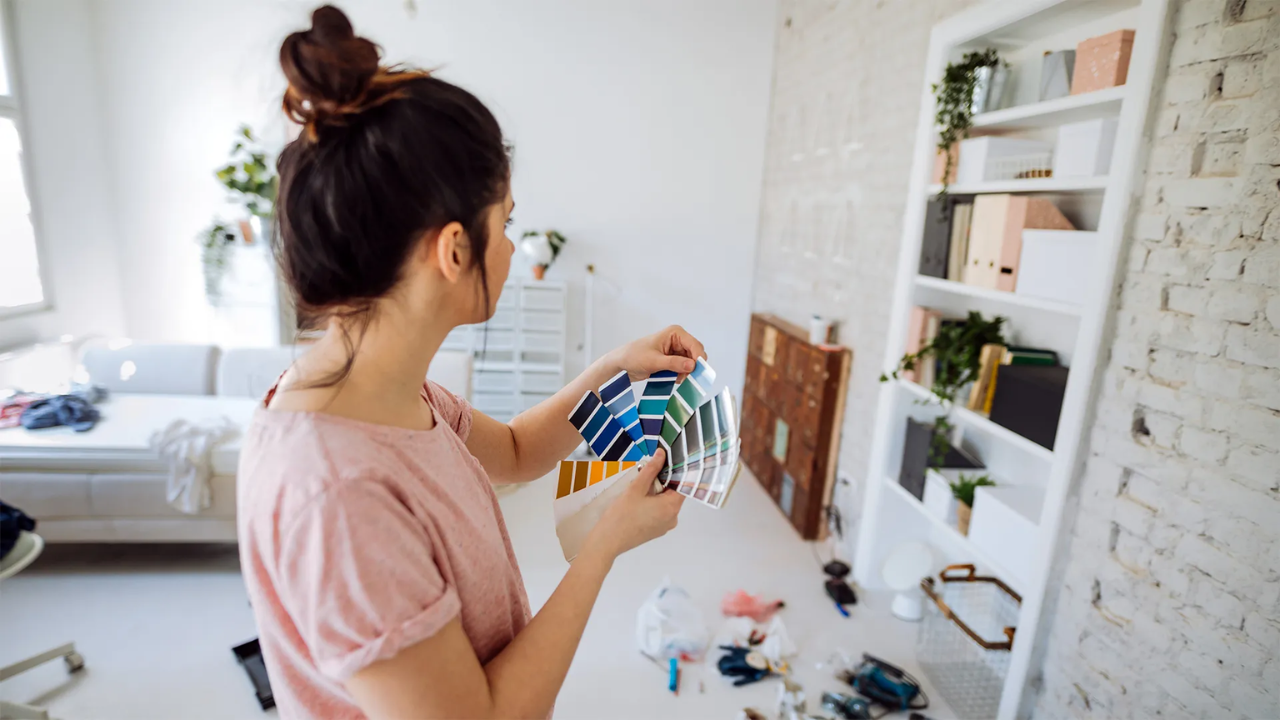
Painting is one of the most beginner-friendly ways to transform your home. A fresh coat of paint can make a room feel brighter, larger, and more modern. Start with neutral colors if you are unsure, as they complement most décor and are easier to update later.
Wall treatments like wallpaper, peel-and-stick tiles, or stencils are also beginner-friendly. These options add texture and personality without major renovations. Take your time with prep work: clean walls, use painter’s tape, and protect floors and furniture to achieve professional-looking results.
Update Fixtures
Replacing outdated fixtures is a cost-effective way to modernize your home. Light fixtures, faucets, cabinet handles, and doorknobs can all make a big difference in the overall look of a room.
Modern lighting can change the mood and brightness of your space. Energy-efficient LED bulbs not only improve lighting quality but also reduce electricity costs. Similarly, swapping out old faucets or showerheads can enhance functionality while giving your bathroom or kitchen a fresh feel.
Flooring Improvements
Flooring can dramatically impact the appearance and comfort of your home. For beginners, consider simple updates like peel-and-stick vinyl tiles, area rugs, or laminate flooring. These options are budget-friendly, easy to install, and can transform a room quickly.
If you have hardwood floors, refinishing or sanding may require more skill, but you can start with small patches or areas like stair treads. Even minor improvements in flooring can make a home feel more inviting and polished.
Kitchen Upgrades
The kitchen is often the heart of the home, and simple improvements can add both style and functionality. Painting cabinets, installing new handles, or adding a backsplash are manageable projects for beginners.
Consider open shelving to display dishes or add decorative items. Updating countertops may be more advanced, but there are DIY-friendly options like peel-and-stick tiles or laminate surfaces that mimic expensive materials. Even small upgrades, like replacing an old faucet or organizing pantry space, can make the kitchen more enjoyable to use.
Bathroom Refresh
Bathrooms can benefit from simple, beginner-friendly updates. Replacing shower curtains, rugs, and towels can instantly refresh the space. Upgrading faucets, mirrors, and lighting can add a modern touch without a full remodel.
Consider using peel-and-stick tiles for the walls or floor, or applying waterproof paint to brighten the room. Adding storage solutions like shelves, baskets, or over-the-toilet organizers helps maintain cleanliness and functionality. These small projects can make your bathroom feel like new.
Outdoor Improvements
Home improvement doesn’t stop indoors. Simple outdoor projects can enhance curb appeal and create a pleasant environment. Planting flowers, trimming shrubs, and maintaining a lawn make a significant difference.
Other beginner-friendly outdoor projects include painting the front door, adding a welcome mat, or installing outdoor lighting. A clean and inviting exterior not only improves your living experience but also increases property value if you ever decide to sell.
Energy Efficiency
Improving energy efficiency is both practical and cost-effective. Simple steps like sealing windows, adding weatherstripping, or installing a programmable thermostat reduce energy bills and improve comfort.
Switching to LED bulbs, using energy-efficient appliances, and adding insulation in key areas are beginner-friendly ways to enhance efficiency. Over time, these upgrades pay for themselves and contribute to a more sustainable home.
Safety First
Safety is critical in any home improvement project. Always wear appropriate protective gear, such as gloves, goggles, and masks. Make sure your workspace is well-lit and free of hazards.
When using tools, follow manufacturer instructions carefully. If a project involves plumbing or electrical work beyond your skill level, it’s safer to hire a professional. Remember, even small mistakes can cause damage or injury, so don’t rush or skip safety steps.
Learn and Experiment
Home improvement is a continuous learning process. Take time to watch tutorials, read guides, and ask for advice in online forums. Experiment with techniques on small projects before committing to larger ones.
Don’t be afraid to make mistakes—they are part of the learning curve. With each project, you will gain confidence, develop skills, and expand your creative ideas for future improvements.
Budget Wisely
Beginner home improvers often underestimate costs. Stick to a realistic budget and track expenses carefully. Consider DIY alternatives to expensive products, such as repurposing furniture or using paint to refresh old items.
Prioritize projects that provide the most value or enhance your daily living experience. It’s better to complete a few projects well than start too many and leave them unfinished.
Maintenance
Home improvement doesn’t end with completing projects. Regular maintenance keeps your home looking fresh and prevents bigger issues down the line. Clean gutters, check for leaks, maintain appliances, and touch up paint when needed.
A proactive approach reduces the need for costly repairs and ensures your improvements last longer. Maintenance also provides opportunities to identify new areas for improvement and plan future projects.
Conclusion
Home improvement for beginners doesn’t have to be intimidating. With careful planning, small projects, and the right tools, anyone can transform their home into a more comfortable, stylish, and functional space. Start small, invest in essential tools, update fixtures, refresh paint and flooring, and explore outdoor enhancements. Prioritize energy efficiency and safety while learning new skills along the way.
By taking a thoughtful approach, even a beginner can achieve impressive results. Remember, home improvement is not just about aesthetics—it’s about creating a living space that reflects your style, meets your needs, and enhances your daily life.
Start your first project today, and with patience and creativity, you’ll see just how rewarding improving your home can be.