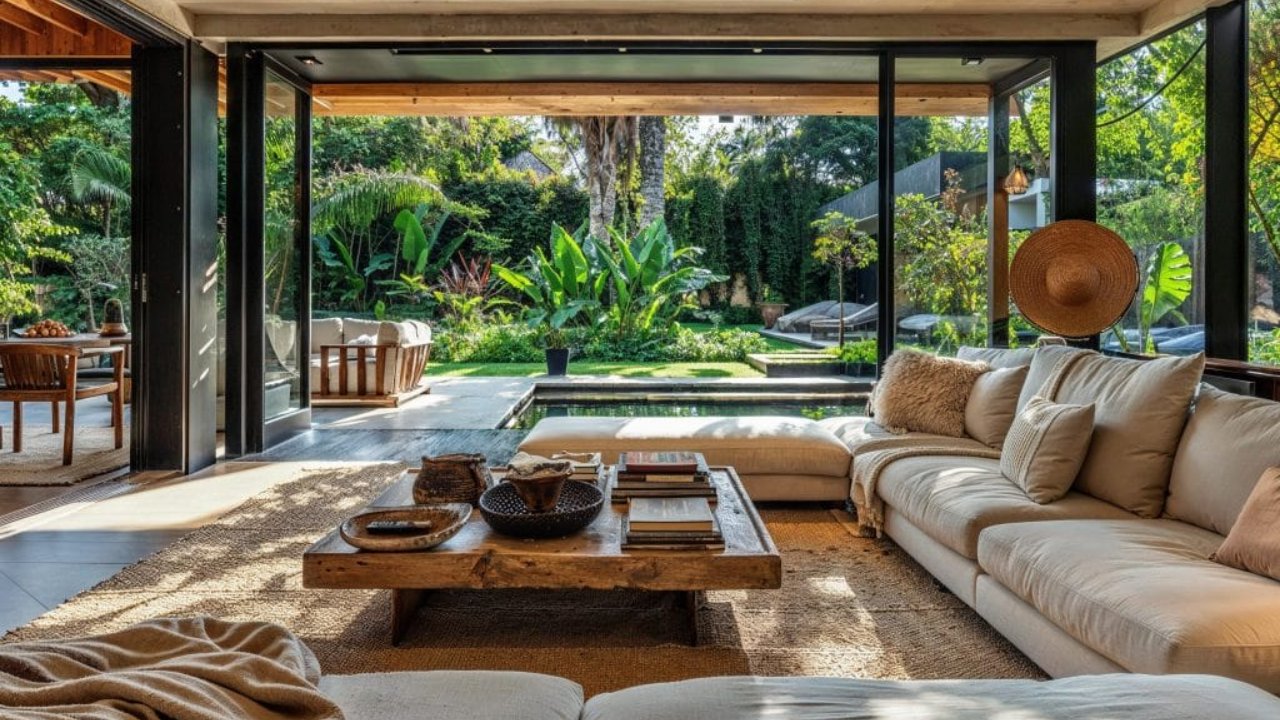
Your home is more than just a place to live—it’s a reflection of your personality, lifestyle, and taste. Improving your home design doesn’t always mean massive renovations or spending a fortune. With the right approach, even small changes can create a lasting impact, making your living space more functional, stylish, and enjoyable. This guide explores innovative ways to enhance your home design, blending aesthetics, technology, and practicality.
Space Optimization
Maximizing the potential of every square foot is essential in modern home design. Innovative space solutions can transform cramped or awkward areas into useful, attractive spaces.
Multi-Functional Furniture
Investing in furniture that serves more than one purpose is a smart way to save space. For instance, beds with built-in storage drawers, extendable dining tables, or sofas that convert into guest beds not only reduce clutter but also add practicality without compromising style.
Vertical Storage
Vertical space is often overlooked. Shelves, tall cabinets, and wall-mounted organizers allow you to store items without sacrificing floor space. Using the height of rooms creatively can also add a sense of grandeur and openness.
Open Floor Plans
Open floor layouts continue to be popular because they make rooms feel larger and more connected. Removing non-structural walls between kitchens and living areas creates a more social and flexible environment, ideal for families or entertaining guests.
Lighting Innovation
Lighting plays a vital role in defining the ambiance of a home. Properly designed lighting enhances mood, functionality, and aesthetics.
Layered Lighting
Layered lighting involves combining ambient, task, and accent lighting to create depth and dimension. Ambient lighting, like ceiling fixtures or recessed lights, illuminates the room overall. Task lighting, such as under-cabinet lights or desk lamps, helps with specific activities. Accent lighting highlights artwork, architectural features, or decorative elements.
Smart Lighting
Smart lighting technology allows you to control brightness and color temperature with your smartphone or voice assistant. These systems not only offer convenience but also energy savings. Imagine dimming the lights automatically as evening approaches or setting color tones to match your mood or occasion.
Natural Light Maximization
Large windows, skylights, and glass doors are excellent ways to maximize natural light. Beyond reducing energy consumption, natural light creates an inviting and uplifting atmosphere. Mirrors strategically placed opposite windows can amplify sunlight, making spaces feel even brighter.
Eco-Friendly Design
Sustainable home design is more than a trend—it’s a responsible approach to living. Eco-friendly improvements enhance comfort while reducing environmental impact.
Energy-Efficient Appliances
Upgrading to energy-efficient appliances reduces energy consumption and lowers utility bills. Modern refrigerators, washing machines, and HVAC systems are designed to minimize power use without sacrificing performance.
Green Roofing and Insulation
Green roofs with plants or reflective materials help regulate indoor temperature and reduce energy needs. Proper insulation in walls and ceilings keeps rooms comfortable year-round and prevents unnecessary heating or cooling.
Water-Saving Solutions
Incorporating low-flow faucets, dual-flush toilets, and rainwater harvesting systems not only conserves water but also adds modern appeal. Indoor plants can also improve humidity control and air quality naturally.
Color and Texture Innovation
Colors and textures are powerful tools in home design, influencing perception, mood, and style.
Bold Accent Walls
A single wall painted in a vibrant color or covered with textured wallpaper can become the focal point of a room. It adds personality and visual interest without overwhelming the entire space.
Material Contrast
Mixing different materials—such as wood, stone, metal, or glass—creates a rich and dynamic aesthetic. For example, pairing a sleek metal staircase with warm wooden flooring can offer a sophisticated modern touch.
Monochromatic Themes
Using different shades of the same color can create a cohesive, calming environment. This approach works particularly well in minimalist designs, where clean lines and simplicity are emphasized.
Smart Home Integration
Technology integration in home design isn’t just convenient—it adds modern elegance and efficiency.
Automated Systems
Smart home systems can control lighting, temperature, security, and even entertainment with ease. Voice-controlled assistants like Alexa or Google Home streamline daily routines while adding futuristic charm.
Security Features
Smart locks, doorbell cameras, and motion sensors improve safety while enhancing the home’s modern appeal. These technologies can be discreetly integrated into walls, doors, or entryways for a seamless look.
Entertainment Hubs
Designing spaces with integrated entertainment systems—hidden projectors, surround sound, and retractable screens—creates a sleek, clutter-free environment perfect for relaxing or hosting movie nights.
Outdoor and Indoor Connection
Blurring the lines between indoor and outdoor spaces enhances both aesthetics and functionality.
Sliding and Folding Doors
Large sliding or folding glass doors allow indoor spaces to extend into patios or gardens, creating a sense of openness. This design approach is perfect for natural ventilation and natural light.
Outdoor Living Spaces
Adding outdoor furniture, fire pits, or pergolas transforms patios and backyards into usable extensions of your home. Thoughtful landscaping, combined with lighting, can make these areas as inviting as your interior spaces.
Indoor Gardens
Indoor gardens, vertical plant walls, or potted greenery introduce nature into the home, enhancing both beauty and air quality. Biophilic design principles have been proven to reduce stress and improve overall well-being.
Innovative Flooring Ideas
Flooring is often overlooked, but it’s a critical element in home design. Modern flooring trends combine durability, style, and functionality.
Heated Floors
Heated flooring systems are a luxury feature that adds comfort, particularly in colder climates. They work well with tiles, stone, or engineered wood and can be energy-efficient if installed correctly.
Patterned Flooring
Creative use of patterns—geometric tiles, herringbone wood, or mixed materials—adds character and visual interest to any room. This technique works for both modern and classic interiors.
Sustainable Flooring
Materials like bamboo, cork, and reclaimed wood offer environmentally friendly options without compromising aesthetics. They are durable, stylish, and provide unique textures that enhance home design.
Functional and Stylish Storage
Clutter can ruin the beauty of any home. Innovative storage solutions keep spaces organized while contributing to the overall design.
Built-In Storage
Built-in shelves, cabinets, and wardrobes offer a seamless, modern look while maximizing storage space. They can be designed to blend with walls or double as decorative features.
Hidden Compartments
Creative storage solutions, such as under-stair drawers, pull-out kitchen pantries, or secret cabinets, allow you to keep essential items accessible yet out of sight.
Decorative Storage
Choosing attractive baskets, stylish boxes, or artistic shelving units allows storage to become part of the decor rather than just a functional necessity.
Personalized Design Elements
Personal touches make your home uniquely yours. Incorporating creativity and personal taste ensures a space that feels inviting and authentic.
Custom Artwork
Commissioning custom paintings, sculptures, or wall installations adds a personal statement to your home design. Artworks can reflect your interests, experiences, or family history.
Statement Furniture
Unique furniture pieces—like a bold-colored sofa, a sculptural chair, or a vintage dining table—create visual focal points that elevate your home’s style.
Thematic Design
Choosing a theme or consistent style throughout the home provides cohesion. Whether it’s modern minimalism, rustic charm, or mid-century elegance, a unified approach ties rooms together seamlessly.
Renovation Without Major Construction
Sometimes, improving home design doesn’t require structural changes. Innovative tweaks can refresh your space without a full renovation.
Wall Treatments
Peeling paint or outdated wallpaper can be replaced with modern options like textured paint, panels, or decals. Even subtle changes like molding or wainscoting can elevate the style.
Kitchen and Bathroom Refresh
Replacing cabinet fronts, upgrading faucets, or adding a stylish backsplash can modernize kitchens and bathrooms without major construction. These areas often offer the highest return on investment.
Door and Window Upgrades
Swapping out old doors and windows for modern designs improves both aesthetics and energy efficiency. Glass-paneled doors, frosted windows, or barn-style sliding doors can dramatically enhance a room’s character.
Sustainability and Wellness
Integrating wellness and sustainability into home design is increasingly important for modern lifestyles.
Air Quality and Ventilation
Proper ventilation and air purification systems improve indoor air quality, creating a healthier environment. Plants, air filters, and well-placed windows help achieve this naturally.
Ergonomic Spaces
Designing for comfort and health—adjustable desks, supportive seating, and proper lighting—enhances daily living. Ergonomics isn’t just functional; it also contributes to overall home harmony.
Minimalism
A minimalist approach emphasizes quality over quantity, reducing clutter and stress. Simplifying furniture, decor, and storage solutions can make your home feel more open and serene.
Final Thoughts
Innovating your home design doesn’t have to be overwhelming or expensive. By focusing on space optimization, lighting, eco-friendly solutions, technology integration, and personal touches, you can create a home that is not only beautiful but also functional and sustainable. Every small change, from a bold accent wall to a smart lighting system, contributes to a more enjoyable and stylish living environment.
Investing in thoughtful design ideas today can significantly enhance your quality of life and even increase your property’s value tomorrow. Whether you’re refreshing a single room or reimagining your entire home, innovative design strategies ensure your space reflects your personality, meets your needs, and stands out as a modern, comfortable sanctuary.