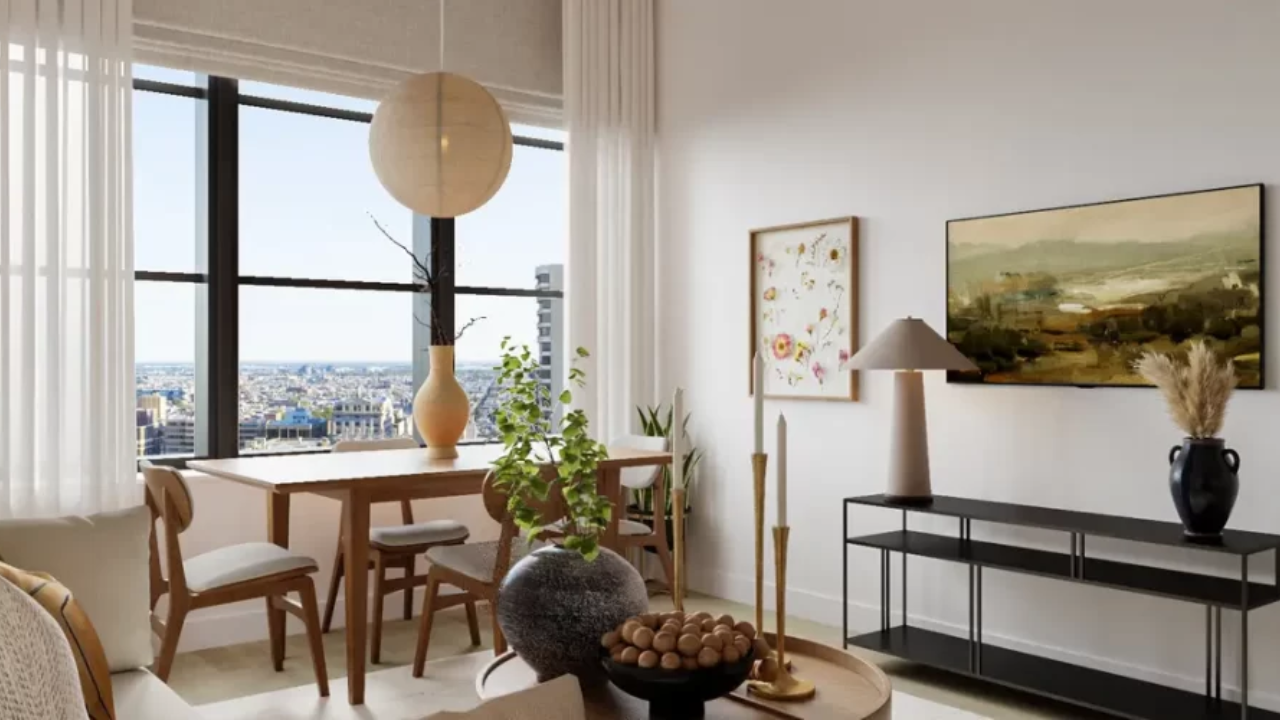
In today’s fast-paced world, our homes are more than just places to live—they’re extensions of our personalities and lifestyles. A well-thought-out space can boost your mood, improve productivity, and even increase the value of your home. Transforming your living space doesn’t always require a full-scale renovation; sometimes, small but smart changes can make a huge impact. This article explores creative, practical, and stylish ways to elevate your home environment.
Declutter
One of the simplest and most effective ways to transform your space is by decluttering. Clutter can make a room feel chaotic and cramped, no matter how big it is. Begin by assessing each area of your home and identify items you no longer use or need. Sort items into categories: keep, donate, or discard. A minimalist approach can make your home feel more open and serene.
Decluttering also encourages better organization. For example, storing items in clear containers or baskets keeps your space tidy while making it easier to find what you need. This not only improves aesthetics but also contributes to a more functional living environment.
Smart Storage
Once you’ve decluttered, the next step is smart storage. Think vertical, modular, and hidden storage options. Wall-mounted shelves, under-bed storage, and multipurpose furniture can free up valuable floor space. For smaller homes or apartments, investing in furniture with built-in storage—such as ottomans, coffee tables, and beds—can maximize utility without compromising style.
Using storage efficiently doesn’t just reduce clutter—it also creates visual harmony. Matching storage pieces with your décor and keeping surfaces clean can make rooms feel more spacious and welcoming.
Lighting Upgrade
Lighting has a tremendous impact on the look and feel of a room. Natural light is ideal, so consider ways to increase sunlight in your home. Installing larger windows, adding mirrors to reflect light, or using sheer curtains can brighten dark corners.
Artificial lighting is equally important. Layered lighting—combining ambient, task, and accent lights—creates depth and warmth. For instance, a combination of ceiling lights, floor lamps, and LED strips can transform a dull room into a cozy, inviting area. Smart bulbs allow you to adjust brightness and color temperature to match your mood or activity, adding both style and functionality.
Color Matters
Color can completely change the vibe of a space. Neutral tones often create a calming environment, while bold colors energize a room. Consider repainting walls, updating furniture, or incorporating colorful décor items like cushions, rugs, or artwork.
Accent walls are another clever technique for transformation. Painting one wall a contrasting color or using patterned wallpaper can add dimension and visual interest without overwhelming the space. When choosing colors, think about the natural light and the mood you want to create in each room.
Furniture Layout
Sometimes, transforming your space is as simple as rearranging furniture. Proper furniture placement can enhance traffic flow, create focal points, and make rooms feel larger. Avoid pushing all furniture against walls; leaving some space around pieces can improve the sense of openness.
Consider multifunctional furniture that can be reconfigured as needed. For instance, a modular sofa can change shape to suit different activities, or a foldable dining table can free up space when not in use. Experimenting with layouts is a cost-effective way to refresh your home.
Indoor Plants
Indoor plants are an inexpensive and effective way to elevate a living space. Plants improve air quality, add texture, and create a natural, calming atmosphere. Consider low-maintenance options like snake plants, pothos, or succulents if you’re not an experienced gardener.
In addition to potted plants, you can explore vertical gardens or hanging planters. Grouping plants of different heights and textures adds dimension and makes a room feel more vibrant. Even small plant arrangements on shelves or tables can make a noticeable difference.
Smart Technology
Smart home technology is no longer a luxury—it’s a tool for improving convenience, efficiency, and comfort. Devices such as smart thermostats, lighting systems, and security cameras can be controlled from your phone, allowing you to optimize your environment effortlessly.
Voice-activated assistants help streamline daily tasks, while smart plugs and outlets allow you to control appliances remotely. Even small upgrades, like automated blinds or motion-sensor lights, can modernize your home while saving energy.
Textiles and Accessories
Soft furnishings are an easy way to inject personality and warmth into your space. Updating curtains, rugs, cushions, and throws can create a fresh look without major renovations. Mixing textures—like velvet cushions with a wool rug—adds depth and visual interest.
Accessories like artwork, mirrors, and decorative objects can also transform a room. Mirrors, in particular, reflect light and give the illusion of more space. Rotating or changing artwork seasonally keeps the environment dynamic and engaging.
Personalization
A space truly feels like home when it reflects who you are. Incorporate personal touches such as photographs, souvenirs, or DIY projects. These items make your home unique and create emotional resonance.
Even small personalizations, like a gallery wall, a custom bookshelf arrangement, or framed inspirational quotes, can give your space character. Personalization encourages a sense of ownership and comfort, making the home more enjoyable for daily living.
Open Concept and Flow
If possible, creating an open-concept layout can dramatically improve a space. Removing non-structural walls or partitions opens up rooms and enhances natural light flow. If structural changes aren’t feasible, consider using furniture or rugs to delineate zones instead of walls.
A coherent flow between spaces—like the kitchen, dining, and living areas—enhances usability and makes your home feel larger. Thoughtful use of pathways and sightlines can make movement intuitive and spaces more inviting.
Wall Treatments
Walls offer a canvas for creativity. Beyond paint, consider wall treatments such as textured panels, wainscoting, or peel-and-stick tiles. These options add visual depth and character.
Gallery walls are another excellent choice. By grouping artwork, photographs, or decorative objects, you can turn a plain wall into a focal point. Accent walls or wall-mounted shelves also provide opportunities for functional yet stylish design.
Flooring Upgrades
Flooring can dramatically influence the atmosphere of a room. Hardwood, laminate, or vinyl planks can add warmth and elegance, while tiles or polished concrete provide a sleek, modern look. Even simple updates, like adding a new area rug, can redefine a space.
Consider layering rugs to add texture and define zones within a larger room. Rugs also contribute to comfort, noise reduction, and warmth, especially in open-concept spaces.
Multi-Functional Rooms
With smaller living spaces becoming more common, creating multifunctional rooms is crucial. A guest room can double as an office, a living room can include a workout corner, or a dining area can serve as a homework station.
Furniture that supports multiple purposes—folding desks, sofa beds, and nesting tables—helps maximize space while maintaining style. This approach makes your home adaptable to changing needs without clutter.
Seasonal Updates
Refreshing your home according to seasons keeps it dynamic and enjoyable. Lightweight curtains, bright cushions, and fresh flowers work well in spring and summer, while cozy throws, warm lighting, and earthy tones enhance winter comfort.
Seasonal updates don’t require major expenses. Small, intentional changes can shift the mood of your home and make it feel more inviting year-round.
DIY Projects
DIY projects are not only budget-friendly but also satisfying. Simple tasks like painting furniture, creating your own wall art, or assembling custom shelving can add a personal touch.
Even small-scale DIY updates, such as changing cabinet handles, installing new light fixtures, or creating a feature wall, can make a huge difference in your space. These projects encourage creativity while transforming your home.
Energy Efficiency
A transformed home isn’t just about aesthetics—it’s also about functionality and sustainability. Upgrading to energy-efficient appliances, LED lighting, and proper insulation reduces utility costs and minimizes environmental impact.
Smart thermostats and energy monitors allow you to track consumption and optimize usage. Sustainable upgrades like low-flow faucets, solar panels, or efficient windows can increase comfort while supporting long-term savings.
Outdoor Connection
Connecting your indoor space with the outdoors enhances overall ambiance. Use patios, balconies, or gardens as extensions of your living areas. Outdoor furniture, planters, and lighting can make these spaces functional and attractive.
Indoor-outdoor flow can be achieved through large sliding doors, windows, or consistent flooring. Even creating a small balcony garden adds a sense of openness and tranquility to your home.
Final Touches
Finally, don’t underestimate the power of finishing touches. Scented candles, diffusers, or indoor fountains can create an inviting sensory experience. Consistent décor themes, color coordination, and thoughtful arrangement of objects contribute to a polished look.
Regular maintenance and occasional tweaks ensure your space remains comfortable and visually appealing. A well-cared-for home reflects care, style, and mindfulness.