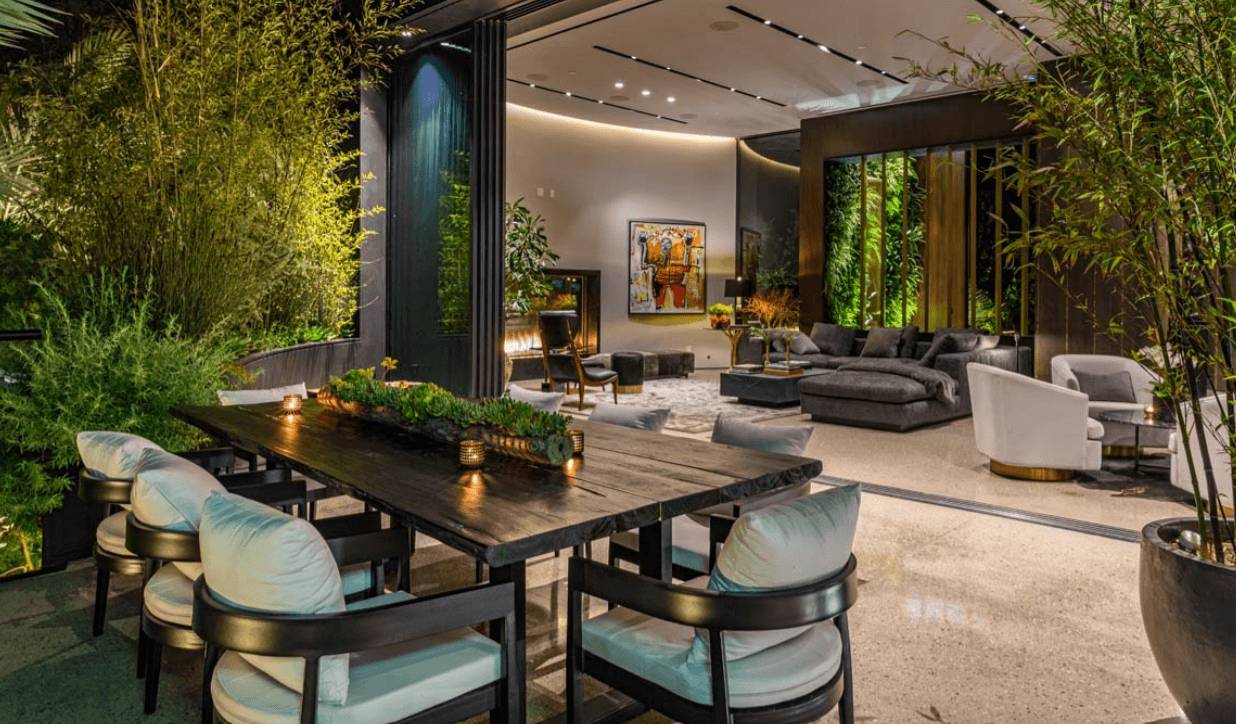
Modern interior design is constantly evolving, and today’s upgrade trends focus on comfort, simplicity, and smart use of space. Homeowners are no longer just decorating rooms—they are redesigning lifestyles. The goal is to create interiors that feel fresh, functional, and visually balanced while still reflecting personal taste.
Here are the most relevant interior upgrade trends you should consider for a modern living space.
Warm Neutral Palettes
Color is the foundation of interior design, and warm neutral tones are leading modern trends.
Shades like beige, cream, soft brown, and muted grey create a calm and timeless environment. These colors also make spaces look larger and more open.
Instead of bold, overwhelming colors on all walls, designers now prefer subtle tones with occasional accent shades to maintain balance.
Layered Lighting Design
Lighting has become a major interior upgrade element rather than just a necessity.
Modern homes use layered lighting, combining ambient, task, and accent lighting to create depth and mood.
Ceiling lights provide general brightness, while table lamps and wall sconces add warmth. LED strips under shelves or behind furniture create a soft modern glow.
This layered approach makes interiors feel more dynamic and stylish.
Open Concept Flow
Open layouts remain one of the strongest interior trends.
Combining living, dining, and kitchen areas creates a sense of spaciousness and better movement.
Instead of walls, zoning is done using rugs, furniture placement, or lighting differences.
This design improves natural light flow and encourages more social interaction within the home.
Minimalist Styling Approach
Minimalism continues to shape modern interiors with a focus on simplicity and purpose.
Instead of filling rooms with decorations, every item is chosen carefully for function and design.
Clutter-free spaces automatically feel more peaceful and organized.
Storage plays a key role in maintaining this style, especially hidden or built-in storage solutions.
Textured Walls and Finishes
Flat walls are being replaced with more creative textures.
Wood paneling, stone finishes, and 3D wall designs add depth and character to interiors.
Even simple textured paint can create a premium, modern look without heavy renovation.
Accent walls are often used to highlight key areas like living rooms or bedrooms.
Modern Furniture Trends
Furniture design is shifting toward clean, simple, and multi-functional pieces.
Low-profile sofas, modular seating, and compact tables are widely used in modern interiors.
Furniture is also becoming more flexible, allowing easy rearrangement based on need.
Neutral-colored furniture remains popular because it blends easily with different styles.
Smart Interior Integration
Technology is now part of interior design rather than a separate feature.
Smart lighting systems, automated curtains, and voice-controlled devices are seamlessly integrated into living spaces.
Hidden wiring and minimal device visibility help maintain a clean aesthetic.
This combination of design and technology improves both convenience and style.
Natural Elements Indoors
Bringing nature inside the home is a growing trend in modern interiors.
Indoor plants, wooden textures, and natural light all contribute to a healthier environment.
Large windows and open spaces help connect interiors with outdoor surroundings.
This biophilic design approach improves mood and reduces stress.
Stylish Ceiling Designs
Ceilings are no longer ignored in modern interiors.
Simple false ceilings with LED lighting create depth and elegance.
Geometric ceiling patterns and layered designs are also becoming popular in living rooms and bedrooms.
Even subtle ceiling changes can dramatically improve the overall room appearance.
Functional Storage Solutions
Storage is becoming more integrated into interior design.
Built-in wardrobes, wall cabinets, and hidden storage units help maintain clean and organized spaces.
Multi-functional furniture like beds with drawers or coffee tables with storage compartments is widely used.
This ensures style and practicality go hand in hand.
Statement Decor Pieces
Instead of filling rooms with many small items, modern interiors focus on a few strong statement pieces.
Large artwork, sculptural decor, or bold furniture items create visual impact.
This approach makes spaces feel more curated and intentional.
Open Shelving Trends
Open shelving is popular in kitchens and living areas for both style and accessibility.
It allows homeowners to display selected items like books, dishes, or decor pieces.
However, balance is important—too much clutter can reduce the modern feel.
Flooring Consistency
Consistent flooring across rooms creates a unified and spacious appearance.
Wood, laminate, or neutral tiles are commonly used for a smooth visual flow.
Matching flooring styles helps connect different areas of the home seamlessly.
Final Thoughts
Interior upgrade trends today are focused on simplicity, comfort, and smart design integration. Homes are becoming more functional without losing their aesthetic appeal.
Whether it’s lighting, furniture, or layout changes, even small upgrades can significantly improve the feel of a space.
A modern interior is not about complexity—it is about creating harmony between style and everyday living.