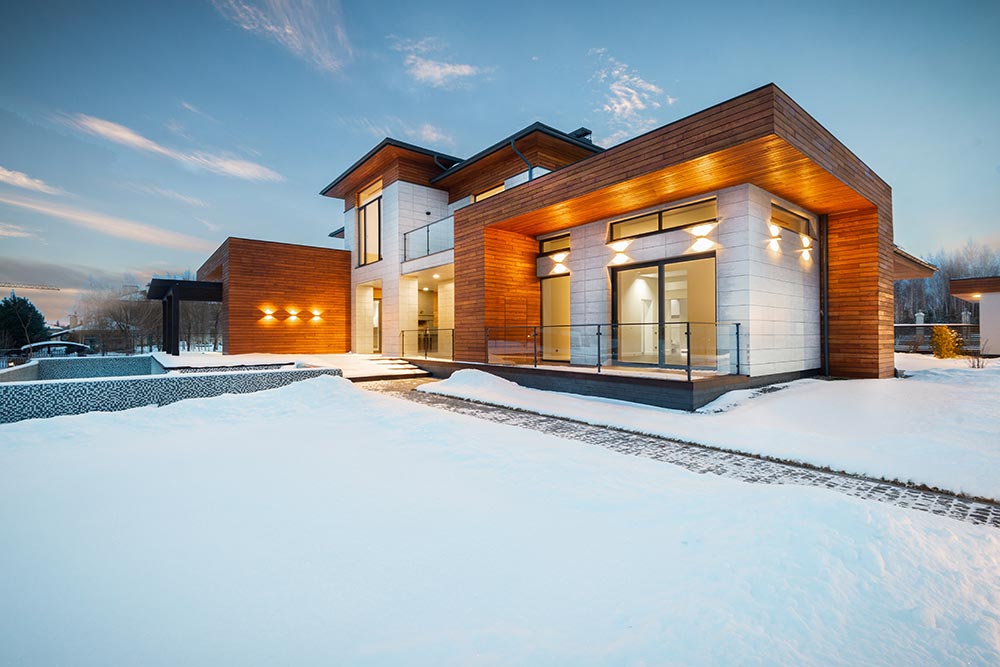
Modern homeowners are looking for practical ways to reduce energy bills, improve comfort, and make their homes more environmentally friendly. Energy efficiency is no longer just about saving electricity—it is about creating a healthier, more sustainable living space while increasing the value of your property.
Whether you own a newly built house or an older home, improving energy efficiency can provide long-term financial and environmental benefits. The good news is that many improvements are affordable and can be completed gradually without major renovations.
In this complete guide, we’ll explore everything homeowners need to know about making their homes more energy efficient, from simple daily habits to advanced upgrades that deliver significant savings.
What Is Home Energy Efficiency?
Home energy efficiency refers to using less energy to perform the same tasks without sacrificing comfort or convenience. An energy-efficient home minimizes wasted electricity, heating, and cooling while maintaining a comfortable indoor environment.
Instead of consuming more power, efficient homes use smarter designs, better insulation, high-performance appliances, and modern technology to maximize every unit of energy.
Benefits include:
- Lower monthly utility bills
- Reduced environmental impact
- Improved indoor comfort
- Better air quality
- Increased property value
- Longer lifespan of home systems
- Reduced maintenance costs
Why Energy Efficiency Matters More Than Ever
Energy prices continue to rise across many regions, making electricity and heating expenses one of the largest household costs. Improving energy efficiency helps homeowners protect themselves from increasing utility rates.
Beyond financial savings, efficient homes also reduce greenhouse gas emissions by lowering overall energy consumption. Even small improvements can make a noticeable difference when adopted consistently over time.
Many buyers also prefer energy-efficient homes because they require lower operating costs and often include modern, low-maintenance features.
Start with a Home Energy Assessment
Before making upgrades, understand how your home currently uses energy.
A basic energy assessment can reveal where energy is being wasted.
Inspect areas such as:
- Windows and doors
- Roof insulation
- Attic ventilation
- Heating and cooling equipment
- Water heater
- Electrical appliances
- Lighting
- Air leaks around vents and pipes
Tracking monthly utility bills can also help identify seasonal spikes in energy consumption.
Improve Home Insulation
Insulation is one of the most effective ways to improve energy efficiency.
Without proper insulation, heated or cooled air escapes through walls, ceilings, and floors, forcing HVAC systems to work much harder.
Focus on insulating:
The Attic
Warm air naturally rises, making the attic one of the biggest sources of heat loss.
Proper attic insulation keeps homes warmer during winter and cooler during summer.
Exterior Walls
Well-insulated walls reduce heat transfer and improve indoor temperature stability.
Basement and Crawl Spaces
Cold air entering through the foundation can significantly increase heating costs.
Proper insulation minimizes drafts and moisture problems.
Seal Air Leaks
Small gaps can waste a surprising amount of energy.
Common areas include:
- Window frames
- Door frames
- Electrical outlets
- Plumbing penetrations
- Chimneys
- Attic hatches
Weatherstripping and caulking are inexpensive solutions that prevent conditioned air from escaping.
Sealing leaks often delivers immediate improvements in comfort.
Upgrade Windows
Older single-pane windows lose heat quickly and allow outdoor temperatures to affect indoor comfort.
Modern energy-efficient windows feature:
- Double or triple glazing
- Low-E coatings
- Argon gas insulation
- Improved weather seals
If replacing windows isn’t possible, consider:
- Thermal curtains
- Window films
- Weatherstripping
- Cellular shades
These affordable alternatives can also improve efficiency.
Choose Energy-Efficient Doors
Exterior doors should provide excellent insulation while preventing air leaks.
Steel, fiberglass, and insulated wood doors generally perform much better than aging wooden doors with worn seals.
Adding door sweeps and replacing damaged weatherstripping can further reduce energy loss.
Upgrade Your Heating and Cooling System
Heating and cooling often account for nearly half of a home’s total energy usage.
Replacing outdated HVAC equipment with high-efficiency systems can significantly reduce annual utility bills.
Look for systems featuring:
- Variable-speed motors
- Smart thermostats
- High efficiency ratings
- Proper sizing for your home
Regular maintenance is equally important.
Replace air filters every few months and schedule annual inspections to maintain peak performance.
Install a Smart Thermostat
Smart thermostats automatically adjust temperatures based on your schedule.
Benefits include:
- Reduced heating costs
- Lower cooling expenses
- Remote smartphone control
- Automatic scheduling
- Energy usage reports
Simply lowering heating temperatures while sleeping or away from home can noticeably reduce annual energy consumption.
Improve Indoor Airflow
Good airflow helps heating and cooling systems work more efficiently.
Simple improvements include:
- Keeping vents unobstructed
- Cleaning air ducts when necessary
- Using ceiling fans
- Maintaining balanced humidity levels
Ceiling fans are especially useful because they circulate air, allowing homeowners to feel comfortable at slightly higher summer temperatures or lower winter temperatures.
Upgrade to LED Lighting
LED bulbs use dramatically less electricity than traditional incandescent bulbs.
Advantages include:
- Lower energy consumption
- Longer lifespan
- Less heat production
- Reduced replacement costs
- Wide range of brightness levels
Replacing every bulb in your home with LEDs is one of the easiest energy-saving projects.
Purchase Energy-Efficient Appliances
Older appliances often consume significantly more electricity.
When replacing appliances, prioritize models with high energy efficiency ratings.
Focus on upgrading:
- Refrigerators
- Washing machines
- Dryers
- Dishwashers
- Air conditioners
- Water heaters
Although efficient appliances may cost more initially, lower operating costs often offset the investment over time.
Reduce Water Heating Costs
Water heating represents another major household energy expense.
Ways to improve efficiency include:
- Lowering water heater temperature
- Installing insulated hot water pipes
- Using low-flow showerheads
- Washing clothes in cold water
- Repairing leaking faucets
Tankless water heaters are another option because they heat water only when needed.
Install Solar Panels
Solar energy has become increasingly accessible for homeowners.
Benefits include:
- Lower electricity bills
- Reduced dependence on the power grid
- Increased home value
- Renewable energy production
- Long-term savings
Although installation costs can be significant, many homeowners recover their investment through years of reduced electricity expenses.
Improve Roof Efficiency
Roof materials affect indoor temperatures more than many homeowners realize.
Cool roofing materials reflect more sunlight and absorb less heat.
This helps:
- Lower cooling costs
- Reduce attic temperatures
- Extend roof lifespan
- Improve indoor comfort
Proper roof ventilation also prevents excessive heat buildup during summer months.
Use Smart Power Strips
Many electronics continue consuming electricity even when turned off.
This “phantom” or standby power adds unnecessary costs throughout the year.
Smart power strips automatically disconnect power when devices are not in use.
Ideal devices include:
- Televisions
- Gaming systems
- Computer equipment
- Home entertainment centers
Make Better Use of Natural Light
Maximizing daylight reduces the need for artificial lighting.
Simple ideas include:
- Opening curtains during the day
- Installing skylights
- Using light-colored interior paint
- Trimming outdoor trees blocking sunlight
Natural lighting also creates a brighter and more welcoming home environment.
Landscape for Energy Savings
Strategic landscaping can reduce heating and cooling demands.
Planting shade trees on the west and south sides of the home helps lower summer temperatures.
Evergreen trees can also block cold winter winds.
Well-designed landscaping naturally improves year-round energy efficiency.
Upgrade Plumbing Fixtures
Modern plumbing fixtures save both water and energy.
Consider installing:
- Low-flow toilets
- Water-efficient faucets
- Efficient showerheads
- Leak-detection devices
Reducing hot water usage directly lowers water heating costs.
Develop Energy-Saving Habits
Technology helps, but daily habits remain equally important.
Simple practices include:
- Turning off unused lights
- Unplugging chargers
- Running full dishwasher loads
- Washing clothes with cold water
- Air drying clothing when possible
- Closing blinds during hot afternoons
- Opening windows during cool evenings
Small behavioral changes often produce meaningful annual savings.
Monitor Energy Usage
Understanding your energy consumption helps identify opportunities for improvement.
Many utility companies provide online dashboards showing:
- Daily electricity use
- Monthly trends
- Peak usage hours
- Historical comparisons
Smart home energy monitors provide even more detailed information about appliance-level energy consumption.
Prioritize Upgrades Based on Budget
Not every improvement needs to happen immediately.
A practical upgrade plan might look like this:
Low-Cost Improvements
- Replace light bulbs
- Seal air leaks
- Install weatherstripping
- Use smart power strips
- Improve daily energy habits
Medium-Cost Improvements
- Add attic insulation
- Install a smart thermostat
- Upgrade ceiling fans
- Replace outdated appliances
Larger Investments
- Install energy-efficient windows
- Replace HVAC systems
- Add solar panels
- Upgrade roofing materials
Taking a phased approach makes energy efficiency more affordable while delivering continuous improvements over time.
Common Energy Efficiency Mistakes
Many homeowners unknowingly reduce the effectiveness of their improvements.
Avoid these mistakes:
- Ignoring insulation
- Blocking HVAC vents
- Forgetting regular maintenance
- Buying oversized heating or cooling systems
- Leaving electronics plugged in constantly
- Using outdated appliances for too long
- Neglecting air leaks
Correcting these issues often produces immediate results.
Long-Term Financial Benefits
Energy-efficient homes offer advantages beyond monthly savings.
Over time, homeowners may experience:
- Lower maintenance expenses
- Higher resale values
- Improved comfort
- Reduced equipment wear
- Better indoor air quality
- Greater protection from rising energy costs
These long-term benefits often outweigh the initial investment required for upgrades.
Conclusion
Creating an energy-efficient home is one of the smartest investments modern homeowners can make. From improving insulation and sealing air leaks to installing smart thermostats and upgrading appliances, every improvement contributes to lower energy consumption, greater comfort, and reduced utility bills.
You don’t need to renovate your entire home at once. Start with simple, affordable upgrades, then gradually invest in larger improvements as your budget allows. Over time, these changes can transform your home into a more comfortable, sustainable, and cost-effective place to live.