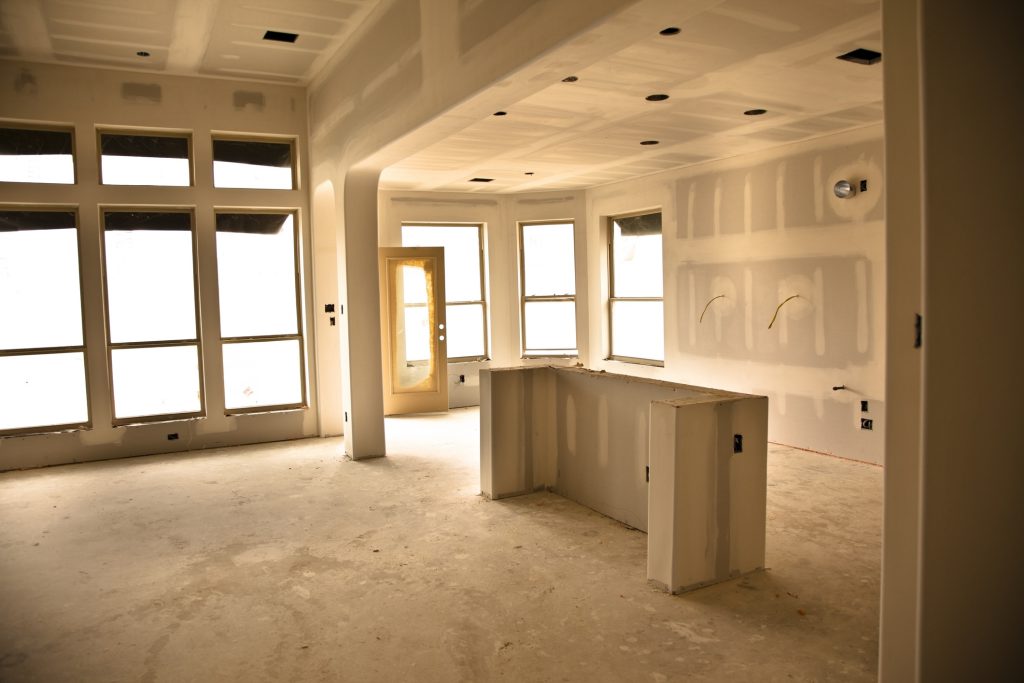
Many people use the terms home renovation and home remodeling as if they mean the same thing. While both involve improving a home, they are actually very different projects with different goals, costs, timelines, and results. Understanding the distinction can help homeowners make better decisions, set realistic budgets, and choose the right professionals for the job.
Whether you want to refresh an outdated kitchen, repair an aging bathroom, or completely redesign your living space, knowing whether your project is a renovation or a remodel is the first step toward success.
In this guide, we explain the real difference between home renovation and home remodeling, compare their benefits, discuss costs, and help you determine which option is right for your property.
Understanding Home Renovation
Home renovation focuses on restoring, repairing, or updating an existing space without significantly changing its original layout or purpose. The primary goal is to improve the appearance, functionality, and condition of a home while keeping its overall structure intact.
Renovation projects usually involve replacing worn-out materials, modernizing finishes, or repairing damaged components. These updates make a home look newer and perform better without altering how rooms are arranged.
Examples of home renovation projects include:
- Painting walls and ceilings
- Replacing flooring
- Installing new kitchen cabinets without changing the layout
- Updating bathroom fixtures
- Replacing windows and doors
- Refinishing hardwood floors
- Repairing roofing
- Updating lighting fixtures
- Installing modern appliances
Renovations are often chosen by homeowners who are happy with their home’s layout but want to improve its appearance, comfort, or efficiency.
Understanding Home Remodeling
Home remodeling goes beyond cosmetic improvements. It involves changing the structure, layout, or function of a space. Remodeling often requires construction work that alters how the home is designed or used.
Instead of simply updating existing features, remodeling creates something new.
Common remodeling projects include:
- Removing walls to create an open floor plan
- Expanding a kitchen
- Converting a garage into a living area
- Adding a second bathroom
- Building a home office
- Finishing a basement
- Creating a walk-in closet
- Adding a second story
- Combining two rooms into one larger room
Because remodeling changes the home’s structure or layout, these projects usually require permits, professional contractors, architects, and longer construction timelines.
The Main Difference Between Renovation and Remodeling
The biggest difference lies in the scope of work.
Renovation improves what already exists.
Remodeling changes what already exists.
If you replace old cabinets with new ones in the same location, you are renovating.
If you remove walls, relocate plumbing, and redesign the entire kitchen, you are remodeling.
Understanding this difference helps homeowners estimate costs, plan schedules, and determine whether permits or engineering work will be necessary.
Comparing Home Renovation and Home Remodeling
| Feature | Home Renovation | Home Remodeling |
| Purpose | Restore and update | Change layout or function |
| Structural Changes | Rare | Common |
| Cost | Lower | Higher |
| Timeline | Shorter | Longer |
| Permits | Sometimes required | Frequently required |
| Construction Complexity | Moderate | High |
| Design Changes | Minimal | Significant |
| Property Value Impact | Moderate to High | High when done correctly |
Advantages of Home Renovation
Many homeowners choose renovation because it offers noticeable improvements without major disruption.
Some benefits include:
Lower Overall Cost
Since renovations usually avoid structural changes, labor and material costs are generally much lower than remodeling projects.
Faster Completion
A renovation can often be completed in days or weeks instead of months.
Less Disruption
Families can often continue living in the home while renovation work takes place.
Increased Property Appeal
Fresh paint, modern flooring, updated lighting, and renovated bathrooms can make a property more attractive to buyers.
Improved Energy Efficiency
Replacing windows, insulation, HVAC systems, and lighting can reduce utility bills while improving comfort.
Advantages of Home Remodeling
Although remodeling requires more investment, it offers unique long-term benefits.
Better Functionality
Remodeling allows homeowners to redesign spaces according to their lifestyle.
For example, removing walls can create larger family gathering spaces.
Increased Living Space
Many remodeling projects add usable square footage without requiring homeowners to move.
Greater Property Value
Well-planned remodeling projects often increase resale value significantly, especially kitchen and bathroom remodels.
Personalization
Remodeling provides the freedom to customize every aspect of the home.
Long-Term Satisfaction
A remodeled home often better matches changing family needs, making it more enjoyable for years.
Which Costs More?
In nearly every situation, remodeling costs more than renovation.
Several factors contribute to higher remodeling expenses:
- Structural modifications
- Plumbing relocation
- Electrical upgrades
- Engineering work
- Permit fees
- Demolition
- Custom construction
- Architectural design
Renovation projects typically focus on surface improvements, reducing labor and construction costs.
However, every project is unique, and costs vary depending on home size, materials, location, and labor rates.
When Should You Choose Renovation?
Renovation is usually the better option if:
- Your home’s layout already works well.
- You want to modernize outdated rooms.
- Your budget is limited.
- You need faster project completion.
- You are preparing your house for sale.
- Only cosmetic improvements are needed.
- Your home’s structure is still in good condition.
Renovation is ideal for homeowners seeking noticeable improvements without major construction.
When Should You Choose Remodeling?
Remodeling makes more sense when:
- Your current floor plan no longer meets your needs.
- You need additional living space.
- You want to increase functionality.
- Your family has grown.
- You plan to stay in the home for many years.
- You want to create an open-concept design.
- You need to repurpose unused rooms.
Although remodeling requires more planning, it often delivers greater long-term satisfaction.
Popular Renovation Projects
Many renovation projects provide excellent value while improving everyday comfort.
Popular choices include:
- Interior painting
- Cabinet refinishing
- Bathroom upgrades
- New flooring installation
- Lighting improvements
- Roof replacement
- Window upgrades
- Exterior painting
- Deck restoration
- Landscaping improvements
These projects refresh the home without major structural work.
Popular Remodeling Projects
Homeowners often choose remodeling when they want dramatic transformations.
Common remodeling projects include:
- Kitchen redesign
- Bathroom expansion
- Basement finishing
- Garage conversion
- Home office creation
- Master suite addition
- Sunroom construction
- Open-concept living areas
- Attic conversion
- Home additions
These projects significantly change how the home functions.
Which Option Adds More Property Value?
Both renovation and remodeling can increase home value, but the return depends on the quality of the work and local market demand.
Renovation often offers strong returns because the investment is relatively low. Fresh finishes, updated kitchens, and modern bathrooms appeal to buyers without requiring a massive budget.
Remodeling can also deliver excellent value, especially when it improves functionality or adds living space. Projects such as kitchen remodels, finished basements, and additional bathrooms are often attractive to buyers.
The best choice depends on your goals. If you plan to sell soon, targeted renovations may provide the highest return. If you intend to stay in your home for many years, remodeling can improve your daily living experience while potentially increasing future resale value.
Budget Planning Tips
Regardless of the type of project, careful planning can prevent unnecessary expenses.
Keep these tips in mind:
- Set a realistic budget before work begins.
- Include a contingency fund for unexpected costs.
- Compare multiple contractor estimates.
- Invest in quality materials where it matters most.
- Avoid making major design changes after construction starts.
- Prioritize improvements that provide lasting value.
- Check local permit requirements before beginning work.
A well-planned project is more likely to stay on schedule and within budget.
Common Mistakes to Avoid
Many homeowners encounter problems because they underestimate the planning required.
Avoid these common mistakes:
- Starting work without a clear plan
- Hiring contractors without checking references
- Ignoring permit requirements
- Choosing the cheapest materials regardless of quality
- Over-improving beyond neighborhood standards
- Failing to budget for unexpected repairs
- Skipping professional inspections when necessary
Taking time to plan can save money and reduce stress throughout the project.
Frequently Asked Questions
Is renovation cheaper than remodeling?
In most cases, yes. Renovation generally costs less because it focuses on updating existing features rather than changing the home’s structure.
Does remodeling always require permits?
Not always, but many remodeling projects involve structural, electrical, or plumbing changes that require permits. Local regulations vary, so it is important to check with your municipality before starting work.
Which project takes longer?
Remodeling usually takes longer because it often includes demolition, structural work, inspections, and custom construction. Renovation projects are typically completed more quickly.
Can I renovate and remodel at the same time?
Yes. Many homeowners combine both approaches. For example, you might renovate bedrooms with fresh paint and flooring while remodeling the kitchen to create a more open layout.
Which option is better for increasing home value?
There is no one-size-fits-all answer. Cosmetic renovations often provide an excellent return for a lower investment, while well-designed remodeling projects can significantly increase both functionality and resale value.
Final Thoughts
While the terms home renovation and home remodeling are often used interchangeably, understanding the difference can help you choose the right approach for your goals. Renovation is about restoring and updating existing spaces, making it ideal for homeowners who want a fresh look without altering the home’s structure. Remodeling, on the other hand, involves changing layouts, adding new features, or transforming how a space functions.
Before starting any project, evaluate your budget, long-term plans, and the current condition of your home. If your layout already works well, a renovation may provide everything you need. If your lifestyle has changed or your home no longer meets your needs, remodeling could be the better investment.