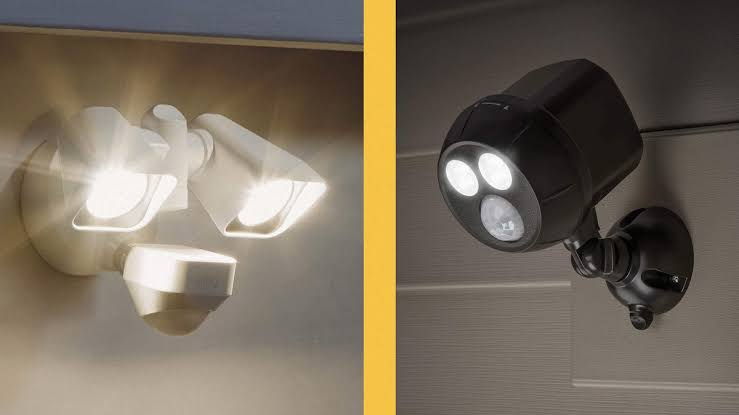
Home security has become an important part of modern residential planning, and lighting plays a major role in protecting properties, improving visibility, and creating safer living environments. A complete security light network combines outdoor lighting systems, motion sensors, smart controls, and automated technologies to provide effective protection around homes.
Modern security lighting is no longer limited to simple outdoor bulbs. Today’s systems are designed as intelligent protection networks that detect movement, respond automatically, improve nighttime visibility, and integrate with cameras and smart home platforms. These solutions help homeowners monitor their surroundings while creating a stronger security presence.
A complete security light network includes different types of lighting fixtures, sensor technologies, installation methods, and control systems. When properly designed, these components work together to reduce security risks, improve convenience, and provide better control over residential environments.
Understanding Residential Security Light Networks
A residential security light network is a connected lighting system designed to improve safety and visibility around a property. It uses strategically placed lights and sensors to detect activity and provide illumination when required.
Unlike traditional outdoor lighting that remains active continuously, modern security lighting systems use intelligent controls to operate efficiently. They can automatically activate when movement is detected, follow schedules, and connect with other security devices.
Main Components of a Security Lighting System
A complete security lighting network includes several components that work together to provide effective protection.
Security Light Fixtures
Security lights provide illumination around important areas of a property, including entrances, pathways, garages, and outdoor spaces.
Modern fixtures are available in different designs, including:
- Flood lights
- Wall-mounted lights
- Pathway lights
- Landscape security lights
- Solar-powered lights
The choice of fixture depends on the required coverage area and lighting purpose.
Motion Detection Sensors
Motion sensors are one of the most important components of modern security lighting systems. They detect movement and trigger lighting automatically when activity occurs.
These sensors help reduce unnecessary energy usage while improving security response.
Smart Control Systems
Smart controllers allow homeowners to manage security lighting through digital devices.
Modern systems may include:
- Mobile applications
- Remote controls
- Automated schedules
- Smart home integration
Importance of Security Lighting for Home Protection
Security lighting improves residential safety by increasing visibility and creating a stronger protective environment around a property.
Improving Nighttime Visibility
Dark areas around homes can create security concerns by providing hidden spaces. Proper lighting improves visibility around entrances, walkways, and outdoor areas.
Well-planned lighting helps homeowners and visitors move safely while reducing areas where unauthorized activity can occur.
Deterring Unauthorized Access
Visible security lighting can discourage unwanted activity around a property. Motion-activated lights create sudden illumination when movement is detected, making unexpected activity more noticeable.
Security lighting works best when combined with other protection measures such as cameras, alarms, and secure entry systems.
Improving Outdoor Safety
Security lights are not only used for protection but also improve everyday outdoor safety.
They help illuminate:
- Driveways
- Stairs
- Garden paths
- Garages
- Entry points
This reduces the risk of accidents during nighttime movement.
Types of Residential Security Lights
Different security lighting systems are designed for specific applications and coverage requirements.
Motion Sensor Security Lights
Motion sensor lights are among the most common residential security solutions. They remain inactive until movement is detected, then automatically activate.
Benefits of Motion Sensor Lighting
Motion sensor systems provide:
- Automatic operation
- Reduced energy consumption
- Improved security response
- Convenient nighttime lighting
They are commonly installed near entrances, garages, and outdoor pathways.
Flood Light Security Systems
Flood lights provide wide-area illumination and are commonly used for large outdoor spaces.
Applications of Flood Lights
They are suitable for:
- Driveways
- Backyards
- Property boundaries
- Large outdoor areas
Advantages of Flood Lighting
Flood lights provide strong illumination that covers larger areas compared with standard outdoor fixtures.
Modern LED flood lights offer improved brightness while consuming less energy.
Solar Security Lighting Systems
Solar-powered security lights use solar panels to collect energy during the day and provide illumination at night.
Benefits of Solar Security Lights
Solar systems offer:
- Reduced electricity usage
- Simple installation
- Environment-friendly operation
- Independence from electrical wiring
They are useful for areas where connecting to a power supply is difficult.
LED Security Lighting Systems
LED technology has become the preferred choice for modern security lighting because of its efficiency and durability.
Advantages of LED Security Lights
LED systems provide:
- Long operating life
- Lower energy consumption
- Bright illumination
- Reduced maintenance requirements
They are widely used in residential and commercial security applications.
Motion Sensor Technologies in Security Lighting
Motion detection technology has improved significantly with modern sensor designs.
Passive Infrared Sensors
Passive infrared sensors detect movement by identifying changes in heat patterns caused by people or animals.
Features of Infrared Motion Sensors
They provide:
- Reliable movement detection
- Low power consumption
- Cost-effective operation
They are commonly used in residential outdoor lighting.
Microwave Motion Sensors
Microwave sensors use electromagnetic waves to detect movement.
Benefits of Microwave Sensors
They can provide:
- Wider detection ranges
- Improved sensitivity
- Better performance in certain environments
Dual Technology Sensors
Dual technology sensors combine multiple detection methods to improve accuracy.
Advantages of Combined Sensors
They help reduce false triggers caused by:
- Weather changes
- Small animals
- Environmental movement
Smart Security Lighting Integration
Modern security lighting systems can connect with other smart home technologies to create complete protection networks.
Integration With Security Cameras
Security lights and cameras work together to improve monitoring capabilities.
When motion is detected, lighting can activate and improve camera visibility during nighttime conditions.
Benefits of Camera-Integrated Lighting
This combination provides:
- Better video quality
- Improved identification
- Automated monitoring
Smart Home Automation
Security lighting can be integrated with smart home platforms to provide automated control.
Homeowners can manage lighting through:
- Smartphones
- Voice assistants
- Automated routines
This allows users to control security lighting even when away from home.
Installation Planning for Security Light Networks
Proper installation is important for achieving maximum security coverage and reliable operation.
Selecting Strategic Lighting Locations
The placement of security lights determines how effectively they protect a property.
Important locations often include:
- Main entrances
- Garage areas
- Side pathways
- Backyard spaces
- Property boundaries
Avoiding Lighting Problems
Incorrect placement can create issues such as excessive brightness, poor coverage, or unnecessary activation.
A balanced lighting design provides effective protection without creating discomfort.
Electrical and Power Considerations
Security lighting systems require proper power planning.
Installation options include:
- Wired electrical systems
- Solar-powered solutions
- Battery-powered systems
The best option depends on property design and installation conditions.
Maintenance of Security Lighting Systems
Regular maintenance helps maintain reliable security performance.
Checking Light Fixtures
Light fixtures should be inspected regularly for:
- Damage
- Reduced brightness
- Connection issues
Cleaning fixtures also improves illumination quality.
Testing Motion Sensors
Motion sensors should be tested periodically to ensure accurate detection.
Proper adjustment prevents problems such as:
- Frequent false activation
- Missed movement detection
- Limited coverage
Updating Smart Security Systems
Smart lighting systems may require software updates to maintain security and compatibility with other devices.
Choosing the Right Security Light System
Selecting the right system depends on property size, security requirements, and technology preferences.
Considering Coverage Requirements
Large properties may require multiple lights and sensors, while smaller homes may only need targeted protection around entrances.
Evaluating Energy Efficiency
Energy-efficient systems such as LED and solar lighting can reduce operating costs while maintaining effective protection.
Matching Technology With Security Goals
Some homeowners may prefer simple motion sensor lighting, while others may benefit from advanced systems connected with cameras and smart home networks.
Future Trends in Security Lighting Technology
The future of residential security lighting is moving toward smarter and more automated solutions.
Emerging developments include artificial intelligence-based movement detection, adaptive lighting systems, improved solar technology, and deeper integration with complete home security networks.
Future security lights may automatically analyze activity patterns, adjust brightness levels, and communicate with other smart devices to provide more intelligent protection.
Conclusion
A complete security light network is an important part of modern home protection, combining lighting technology, motion sensors, automation, and smart security features. These systems improve visibility, discourage unauthorized activity, and create safer outdoor environments.
Choosing the right security lighting solution requires understanding property layout, coverage needs, energy requirements, and technology options. With continuous improvements in smart systems and efficient lighting technologies, residential security networks will become more intelligent, reliable, and effective in protecting modern homes.