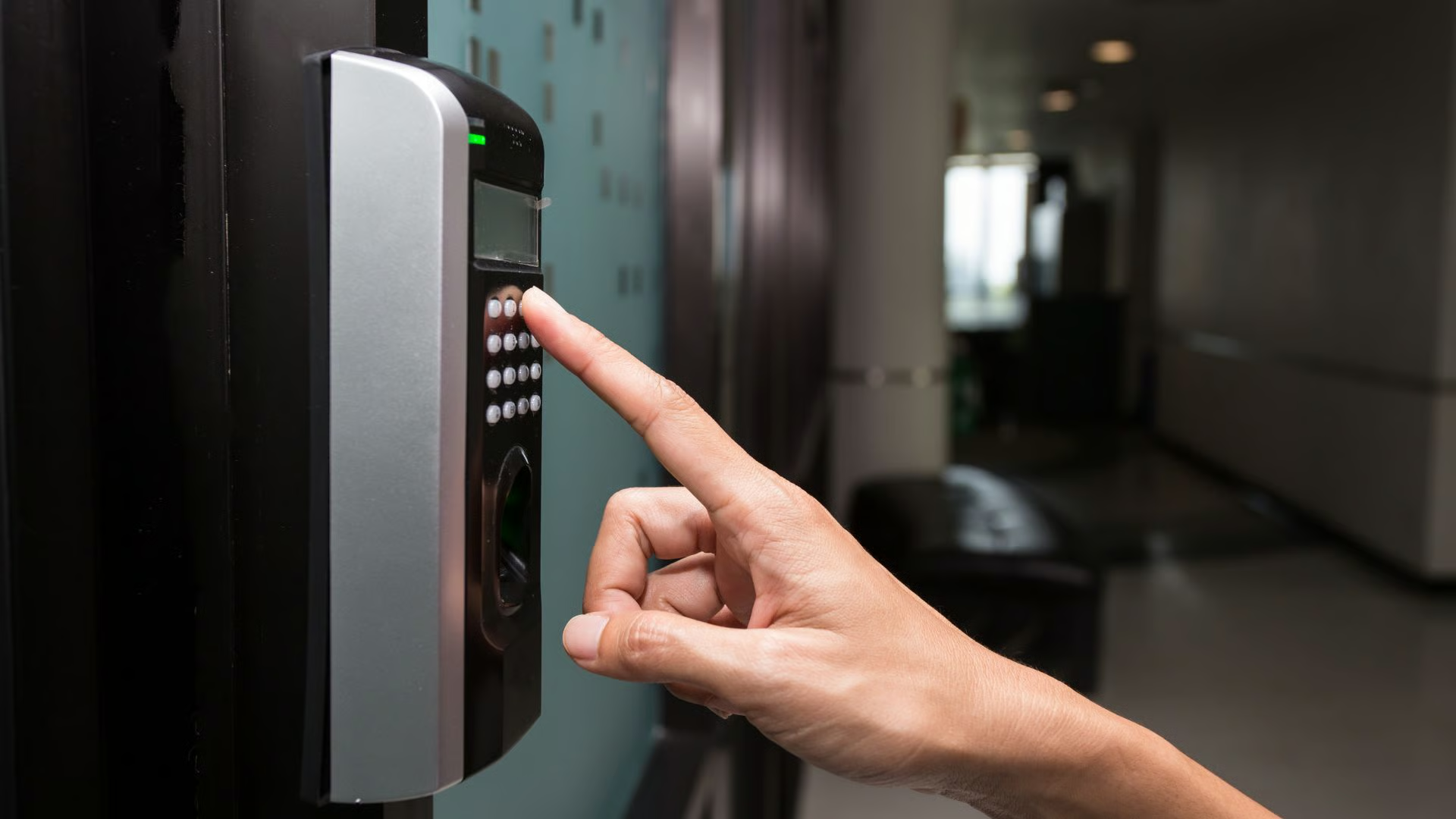
Home security technology has changed significantly as modern homeowners look for safer, smarter, and more convenient ways to protect their properties. Traditional keys have been used for generations, but they come with several limitations, including the risk of losing them, unauthorized duplication, and the inconvenience of carrying them everywhere. Fingerprint door lock systems have emerged as an advanced alternative by combining biometric technology with modern security features.
A fingerprint door lock allows homeowners to unlock doors using their unique fingerprint instead of a traditional key. Since every person has a different fingerprint pattern, biometric access provides a more personalized and secure method of controlling entry into residential properties.
Modern fingerprint locks are not only designed for security but also for convenience. They can be integrated with smart home systems, mobile applications, digital passwords, and access monitoring features. These technologies make residential entrances more intelligent while improving everyday comfort.
The Rise of Biometric Security in Modern Homes
The demand for smarter security solutions has increased as homes become more connected and technology-driven. Homeowners are no longer interested only in strong physical barriers; they want security systems that provide better control, monitoring, and ease of use.
Biometric technology has become one of the most reliable developments in residential security. Instead of depending on something a person carries, such as a key or access card, biometric systems identify individuals through unique physical characteristics.
Fingerprint door locks are becoming increasingly popular because fingerprints are:
- Unique to each person
- Difficult to duplicate
- Always available
- Convenient for daily use
This makes fingerprint-based entry systems a practical choice for modern residential buildings.
Understanding Fingerprint Door Lock Systems
A fingerprint door lock system is an electronic locking solution that uses biometric scanning technology to identify authorized users. The system captures a fingerprint image, compares it with stored fingerprint data, and unlocks the door if the identity matches.
A typical fingerprint lock system includes:
- Fingerprint scanner
- Electronic locking mechanism
- Control panel
- Battery or power supply
- User management system
Modern models may also include additional access options such as PIN codes, smartphone control, emergency keys, and RFID cards.
This multi-layered approach provides flexibility while maintaining strong security.
Advantages of Fingerprint Door Locks for Residential Security
Fingerprint door locks provide several benefits compared with traditional locking systems. Their combination of security and convenience makes them suitable for modern homes, apartments, and luxury properties.
One of the biggest advantages is keyless entry. Homeowners no longer need to carry keys or worry about losing them. A simple fingerprint scan provides quick access within seconds.
Fingerprint locks also improve access control because homeowners can decide who is allowed to enter the property. Instead of sharing physical keys, authorized fingerprints can be added or removed from the system whenever needed.
This feature is especially useful for families, rental properties, and homes with service workers.
Improved Protection Against Unauthorized Access
Traditional keys can be copied without the owner’s knowledge, creating a potential security risk. Fingerprint door locks reduce this concern because access is based on biometric identification.
Since fingerprints are unique, unauthorized users cannot easily gain entry without being registered in the system.
Advanced fingerprint locks also include security features such as:
- Multiple user authentication
- Failed attempt alerts
- Automatic locking
- Tamper detection
These features provide homeowners with better control over who enters their property.
Keyless Entry Convenience for Modern Lifestyles
One of the main reasons homeowners choose fingerprint locks is convenience. Daily activities become easier when there is no need to search for keys or manage multiple access devices.
Fingerprint entry is especially helpful in situations such as:
- Returning home with groceries
- Managing multiple family members
- Allowing temporary access
- Entering quickly during emergencies
The fast unlocking process improves the overall user experience and supports modern lifestyles where convenience is highly valued.
Types of Fingerprint Door Lock Systems
Different fingerprint lock designs are available depending on security requirements and door types.
Standalone Fingerprint Locks
Standalone biometric locks operate independently without requiring a larger smart home network. They are suitable for homeowners who want simple fingerprint-based security.
These systems usually include fingerprint scanning, password access, and basic management features.
Smart Fingerprint Door Locks
Smart fingerprint locks connect with mobile applications and home automation systems. They provide advanced features such as remote monitoring, access notifications, and user management.
These systems are ideal for homeowners who want complete control over their entrance security.
Fingerprint Locks With Multiple Access Methods
Many modern systems combine fingerprint recognition with additional entry methods.
These may include:
- Digital passwords
- Smartphone unlocking
- RFID cards
- Emergency keys
Multi-access systems provide backup options while maintaining biometric security.
Fingerprint Door Locks and Smart Home Integration
Modern homes increasingly use connected technologies, and fingerprint locks are becoming an important part of smart security networks.
A fingerprint door lock can integrate with:
- Smart cameras
- Alarm systems
- Home automation platforms
- Video doorbells
- Mobile applications
For example, a homeowner can receive notifications when someone enters the home or connect the lock with security cameras to monitor access events.
This creates a complete security ecosystem rather than an isolated locking device.
Choosing the Right Fingerprint Door Lock
Selecting the right biometric lock requires considering several factors, including door type, security requirements, and technology features.
Important considerations include:
Fingerprint Recognition Accuracy
A reliable fingerprint scanner should quickly recognize authorized users while reducing false rejections.
Battery Performance
Since many smart locks operate on batteries, long battery life is important for reliable operation.
Weather Resistance
For outdoor-facing entrances, the lock should be designed to withstand temperature changes, moisture, and dust.
Security Features
Homeowners should consider features such as encryption, tamper alarms, automatic locking, and backup access options.
Installation Considerations for Fingerprint Locks
Proper installation is essential for ensuring reliable performance. The lock must be correctly aligned with the door structure and electronic components.
Installation requirements may vary depending on whether the lock is being installed on:
- Wooden doors
- Metal doors
- Glass doors
- Security doors
Professional installation is recommended for advanced systems because incorrect installation can affect both security and functionality.
Maintaining Fingerprint Door Lock Systems
Although fingerprint locks require less maintenance than traditional locking systems, regular care helps maintain performance.
Homeowners should:
- Keep the fingerprint sensor clean
- Replace batteries when required
- Update software if supported
- Check mechanical components
- Protect the device from damage
Cleaning the scanner is particularly important because dust or moisture can affect fingerprint recognition accuracy.
Fingerprint Locks for Different Residential Applications
Fingerprint door locks can be used in many types of residential properties.
In family homes, they provide convenient access for household members while allowing owners to manage permissions.
In apartments, smart biometric locks improve security while reducing dependence on traditional keys.
In luxury homes, fingerprint locks complement other smart technologies and provide a premium entrance experience.
They are also useful for home offices, storage rooms, and private areas where controlled access is required.
Security Limitations and Important Considerations
While fingerprint locks offer advanced protection, homeowners should understand that no security system is completely risk-free.
The best protection comes from combining biometric access with other security measures such as strong doors, cameras, alarms, and proper lighting.
Choosing a high-quality fingerprint lock from a reliable manufacturer is also important because security performance depends heavily on hardware and software quality.
Future Trends in Biometric Door Security
The future of fingerprint door locks is moving toward greater intelligence and integration. As smart home technology advances, biometric systems are expected to become more accurate, faster, and more connected.
Future developments may include:
- Artificial intelligence-based recognition
- Improved biometric sensors
- Cloud-based access management
- Advanced security analytics
- Integration with complete smart home ecosystems
These innovations will continue transforming residential security by making homes safer and easier to manage.
Conclusion
Fingerprint door lock systems represent the future of residential access control by combining security, convenience, and advanced technology. They eliminate many problems associated with traditional keys while providing homeowners with better control over property access.
With features such as biometric recognition, smart integration, remote management, and multiple access options, fingerprint locks are becoming an important upgrade for modern homes.
As residential security continues evolving, biometric entry systems will play a major role in creating safer, smarter, and more convenient living environments.
Frequently Asked Questions About Fingerprint Door Lock Systems
What is a fingerprint door lock system?
A fingerprint door lock system is a smart locking device that uses biometric fingerprint recognition to identify authorized users and provide keyless access to a property.
Are fingerprint door locks secure?
Yes, fingerprint locks provide strong security because they use unique biometric data instead of traditional keys that can be lost or copied.
Can multiple fingerprints be added to one fingerprint lock?
Yes, most fingerprint door locks allow multiple users to register their fingerprints, making them suitable for families and shared residential properties.
Do fingerprint door locks work during power outages?
Many fingerprint locks include battery backup systems or emergency access options to ensure continued operation during power interruptions.
Can fingerprint locks be installed on existing doors?
In many cases, fingerprint locks can replace traditional locks on existing doors, but compatibility depends on the door type and lock design.
Are smart fingerprint locks better than traditional fingerprint locks?
Smart fingerprint locks provide additional features such as mobile control, notifications, remote access, and integration with other smart home devices.
How long do fingerprint door locks last?
The lifespan depends on product quality, usage, and maintenance. High-quality biometric locks can provide reliable performance for many years.