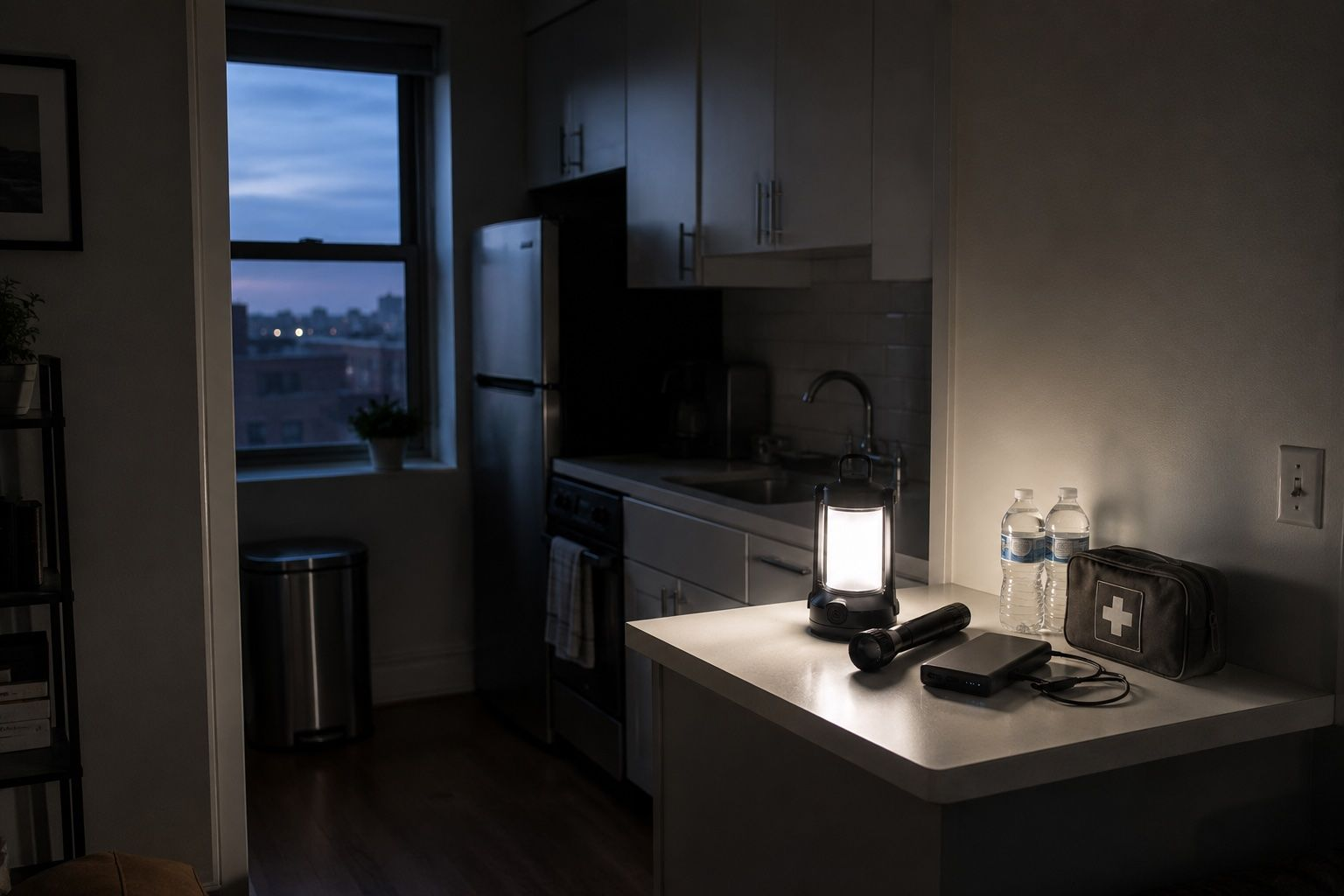
Power outages can create unexpected challenges in residential environments, especially during nighttime when poor visibility increases the risk of accidents. Moving through dark hallways, staircases, kitchens, and outdoor areas without proper lighting can lead to falls, injuries, and difficulty accessing important areas of the home. Smart emergency lighting systems provide an advanced solution by automatically providing illumination during power failures and helping families navigate their homes safely.
Unlike traditional emergency lights that require manual operation or offer limited functionality, modern smart emergency lighting systems use sensors, automation, battery backup technology, and connected controls to provide reliable lighting when it is needed most. These systems are designed to detect power interruptions, activate automatically, and create a safer indoor environment during unexpected outages.
As smart home technology continues to grow, emergency lighting has evolved from a simple backup solution into an intelligent safety system. Smart emergency lights can now integrate with home automation networks, provide energy-efficient illumination, monitor battery status, and offer customized lighting patterns according to household needs.
Understanding Smart Emergency Lighting Systems
Smart emergency lighting systems are advanced lighting solutions designed to provide automatic illumination during power failures or emergency situations. These systems combine LED lighting technology with intelligent controls, sensors, and backup power sources.
When a power outage occurs, the system detects the interruption and activates emergency lighting automatically. This eliminates the need for homeowners to search for flashlights or manually turn on backup lights in dark conditions.
Modern smart emergency lighting systems can be installed throughout residential properties, including bedrooms, hallways, staircases, garages, kitchens, and outdoor areas. Their purpose is to improve safety, visibility, and convenience during unexpected situations.
Importance of Emergency Lighting in Modern Homes
Electricity failures can happen due to storms, technical issues, maintenance work, or other unexpected events. During these situations, normal lighting systems become unavailable, making movement inside the home difficult.
Emergency lighting plays an important role by providing immediate visibility and reducing safety risks. It helps residents move safely, locate essential items, access exits, and handle emergency situations more effectively.
For families with children, elderly individuals, or people with mobility challenges, reliable emergency lighting provides additional security and peace of mind.
How Smart Emergency Lighting Systems Work
Smart emergency lighting systems operate through a combination of sensors, control units, LED lights, and backup batteries.
Under normal conditions, these lights remain connected to the main electrical supply while charging their internal batteries. When a power interruption is detected, the system automatically switches to battery power and activates emergency lighting.
Advanced systems use smart sensors to adjust brightness levels based on surrounding conditions. Some models can detect movement and turn on only when someone enters a specific area, helping conserve battery life.
Connected emergency lighting systems may also communicate with mobile applications or smart home platforms, allowing homeowners to monitor system status and receive alerts.
Key Features of Smart Emergency Lighting Systems
Automatic Power Failure Detection
One of the most important features of smart emergency lighting is automatic outage detection. Sensors continuously monitor the electrical supply and identify interruptions instantly.
When a blackout occurs, the system activates without requiring manual control. This immediate response is especially valuable during nighttime outages.
Energy Efficient LED Technology
Most modern emergency lighting systems use LED bulbs because they provide bright illumination while consuming minimal energy.
LED technology offers longer operating times during battery backup periods and requires less maintenance compared to traditional lighting options.
Energy-efficient LEDs make smart emergency systems more reliable and cost-effective for long-term use.
Battery Backup Systems
Battery technology is a critical component of emergency lighting. High-quality rechargeable batteries provide power when the main electricity supply fails.
Modern systems include improved battery performance, faster charging, and longer backup durations.
Some smart systems also monitor battery health and notify homeowners when maintenance or replacement is required.
Motion and Light Sensors
Motion sensors improve the efficiency of emergency lighting by activating lights only when movement is detected.
Light sensors can determine whether additional illumination is needed based on existing brightness levels.
These features reduce unnecessary energy usage while ensuring safe navigation when required.
Smart Home Integration
Advanced emergency lighting systems can connect with smart home platforms, allowing centralized control.
Homeowners can manage lighting settings, monitor battery levels, and receive notifications through smartphones or voice-controlled devices.
Integration with security systems can also improve overall home safety.
Benefits of Smart Emergency Lighting Systems
Improved Safety During Power Outages
The primary benefit of smart emergency lighting is enhanced safety. During sudden blackouts, automatic lighting helps residents move safely through the home.
Illuminated pathways reduce the risk of falls and accidents, especially on stairs and in areas with obstacles.
Hands-Free Operation
Traditional emergency lights often require users to locate and activate them manually. Smart systems remove this inconvenience by operating automatically.
This feature is especially useful during emergencies when quick response is important.
Better Home Navigation
Smart emergency lights can be strategically placed along important pathways, including hallways, staircases, and entrances.
They create clear routes that help residents move safely even during complete darkness.
Reduced Energy Consumption
Smart controls, LED technology, and motion sensors help reduce unnecessary energy usage.
The system provides lighting only when needed, improving efficiency and extending battery life.
Increased Peace of Mind
Knowing that the home has an automatic backup lighting system provides reassurance during unexpected power failures.
Homeowners can feel more secure because essential areas remain visible even when normal electricity is unavailable.
Types of Smart Emergency Lighting Solutions
Smart Wall-Mounted Emergency Lights
Wall-mounted emergency lights are commonly installed in hallways, bedrooms, and entrances. They provide immediate illumination during outages and are easy to access.
Modern designs blend with interior décor while providing essential safety features.
Smart Ceiling Emergency Lighting
Ceiling-mounted emergency lights provide wider coverage and are suitable for larger rooms or open areas.
They can be integrated into existing lighting systems for seamless operation.
Smart Staircase Lighting Systems
Staircases are one of the most important areas requiring emergency illumination. Smart staircase lighting systems use sensors to automatically light steps during movement or outages.
These systems improve safety and reduce accident risks.
Portable Smart Emergency Lights
Portable smart emergency lights provide flexibility because they can be moved to different locations when needed.
Many models include rechargeable batteries, USB charging options, and multiple brightness settings.
Outdoor Emergency Lighting Systems
Outdoor emergency lights improve visibility around entrances, pathways, garages, and gardens.
They help homeowners safely access outdoor areas during power failures.
Choosing the Right Smart Emergency Lighting System
Selecting the right emergency lighting solution depends on several factors, including home size, layout, power outage frequency, and safety requirements.
Homeowners should consider battery backup duration, brightness levels, installation requirements, and smart connectivity options.
The number and placement of lights are also important. Key areas such as exits, staircases, corridors, and frequently used rooms should receive priority.
Choosing high-quality products with reliable sensors and durable batteries ensures better long-term performance.
Installation Considerations for Smart Emergency Lighting
Proper installation is essential for effective emergency lighting performance. Lights should be positioned strategically to provide maximum coverage.
Electrical connections should be handled carefully, especially for permanently installed systems.
Professional installation may be recommended for advanced systems that integrate with smart home networks or existing electrical infrastructure.
Maintenance Tips for Emergency Lighting Systems
Regular maintenance ensures that emergency lighting systems remain ready during power failures.
Homeowners should:
- Test emergency lights periodically
- Check battery performance
- Clean LED covers and sensors
- Inspect electrical connections
- Replace damaged components
Smart systems often provide maintenance alerts, making it easier to identify potential issues before emergencies occur.
Smart Emergency Lighting for Elderly and Family Safety
Emergency lighting is particularly valuable for households with elderly family members. Reduced visibility during outages can increase the risk of falls and injuries.
Automatic pathway lighting allows seniors to move safely without searching for switches or carrying flashlights.
Families with children also benefit because illuminated spaces create a safer environment during nighttime emergencies.
Role of Smart Emergency Lighting in Sustainable Homes
Smart emergency lighting systems support sustainable home design by using energy-efficient technologies and reducing unnecessary electricity consumption.
LED lighting, intelligent sensors, and optimized battery usage contribute to more responsible energy management.
When combined with solar power systems and smart home automation, emergency lighting can become part of a complete sustainable energy strategy.
Future Trends in Smart Emergency Lighting Technology
The future of emergency lighting is moving toward more intelligent and connected solutions. Artificial intelligence, advanced sensors, and improved battery technology will continue to enhance system performance.
Future systems may automatically analyze household patterns, predict power requirements, and communicate with other smart devices during emergencies.
Integration with renewable energy systems, such as solar-powered backup solutions, will further improve reliability and sustainability.
Frequently Asked Questions About Smart Emergency Lighting Systems
What is a smart emergency lighting system?
A smart emergency lighting system is an automated lighting solution that provides illumination during power outages using sensors, LED technology, and backup batteries.
Do smart emergency lights turn on automatically?
Yes, most smart emergency lighting systems detect power failures automatically and switch on without manual operation.
How long do emergency lights work during a power outage?
Backup duration depends on battery capacity, lighting brightness, and system design. Many modern systems provide several hours of operation.
Are LED emergency lights better than traditional emergency lights?
Yes, LED emergency lights are more energy-efficient, longer-lasting, and provide brighter illumination compared to traditional lighting technologies.
Can smart emergency lights connect to mobile apps?
Many advanced systems support smartphone connectivity for monitoring, alerts, and control features.
Where should emergency lights be installed in a home?
Important locations include hallways, staircases, bedrooms, entrances, kitchens, garages, and outdoor pathways.
Do emergency lighting systems require regular maintenance?
Yes, periodic testing and battery checks help ensure reliable performance during power failures.
Can smart emergency lights work with solar power?
Some advanced emergency lighting systems can integrate with solar power solutions for additional energy independence.
Are smart emergency lights expensive?
Costs vary depending on features, installation requirements, and technology level. However, they provide long-term safety benefits.
Why are smart emergency lighting systems important for modern homes?
They improve safety, provide automatic backup illumination, reduce energy waste, and support convenient smart home management.