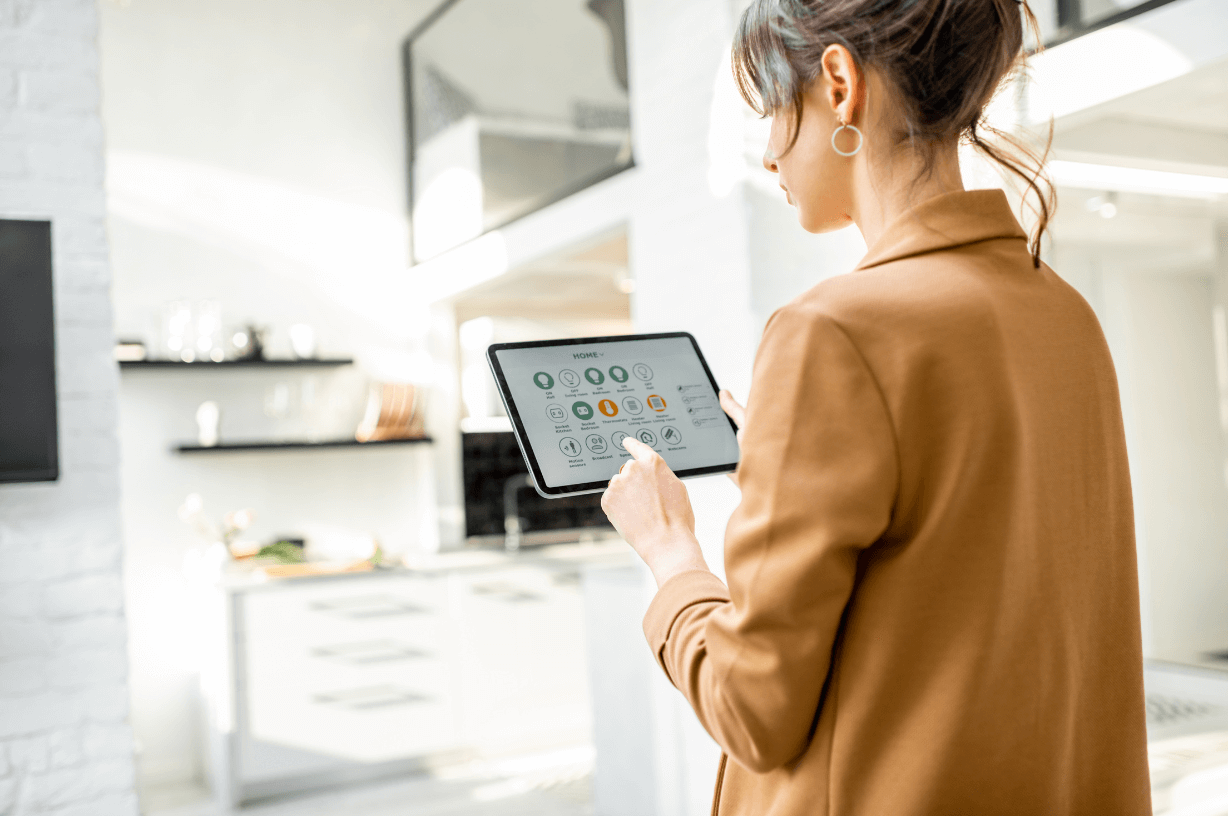
In today’s fast-paced world, homes are evolving beyond just being places to live—they are becoming dynamic spaces that adapt to our needs, enhance convenience, and promote efficiency. The rise of smart home technology has transformed how we interact with our living spaces, allowing homeowners to enjoy increased comfort, safety, and energy savings. Whether you’re planning a full home renovation or just looking to make a few updates, integrating smart technology can elevate modern living. Here’s a detailed guide on smart home improvement ideas that can transform your home into a truly intelligent space.
1. Smart Lighting for Convenience and Ambience
Lighting plays a crucial role in shaping the mood and functionality of any home. Traditional lighting systems often lack flexibility and energy efficiency, but smart lighting solutions offer a remarkable upgrade. Smart bulbs and fixtures can be controlled via smartphone apps, voice assistants, or motion sensors, giving homeowners full control over brightness, color, and scheduling.
Imagine walking into your living room at night and having the lights adjust automatically to a warm, welcoming glow—or setting your bedroom lights to gradually dim as you prepare for sleep. Beyond aesthetics, smart lighting can significantly reduce energy consumption by ensuring lights are only on when needed. Brands like Philips Hue, LIFX, and Nanoleaf provide options that are versatile and easy to integrate into any home.
2. Smart Thermostats for Energy Efficiency
Heating and cooling are often the most significant contributors to household energy bills. A smart thermostat is one of the most impactful upgrades for modern living. Unlike traditional thermostats, smart models learn your schedule, monitor occupancy, and adjust temperatures automatically for optimal comfort and energy savings.
For instance, when you leave the house for work, a smart thermostat can lower the temperature to conserve energy and then return it to a comfortable level just before your return. Many smart thermostats also offer remote control via mobile apps, detailed energy reports, and integration with other smart devices. Popular options like Nest Learning Thermostat and Ecobee SmartThermostat have made it easier than ever to reduce both costs and environmental impact.
3. Voice-Activated Assistants
Voice-activated assistants like Amazon Alexa, Google Assistant, or Apple Siri are at the heart of many smart home setups. They allow you to control lighting, temperature, music, and even appliances with simple voice commands. For example, you can ask your assistant to “turn off all lights,” “play relaxing music,” or “check the weather for tomorrow” without moving from your couch.
Integrating voice assistants with other smart devices creates a seamless and convenient living experience. For example, pairing your voice assistant with smart plugs allows you to control devices that aren’t inherently smart, such as lamps or fans, enhancing accessibility for all members of the household.
4. Smart Security Systems for Peace of Mind
Home security is one of the primary reasons homeowners adopt smart technology. Modern security systems go far beyond traditional alarm setups, offering features such as remote monitoring, motion detection, facial recognition, and real-time notifications.
Smart locks, for instance, allow keyless entry via smartphones or access codes, eliminating the need for physical keys. Video doorbells like Ring or Nest Hello let you see and speak with visitors remotely, even when you’re miles away. By combining smart cameras, motion sensors, and automated alerts, homeowners can create a comprehensive security network that ensures safety and peace of mind.
5. Energy Management and Smart Plugs
Smart plugs and power strips are deceptively simple yet highly effective tools for managing household energy use. They allow you to control any connected device from your smartphone, set schedules, and even monitor energy consumption. This technology helps reduce “phantom energy” usage from devices left on standby.
For example, you can schedule your coffee maker to turn on only when needed, or automatically switch off entertainment systems after a set period. Smart plugs also integrate seamlessly with voice assistants, enabling hands-free control of devices throughout your home.
6. Automated Shades and Smart Windows
Natural light and privacy are critical elements in modern home design. Automated shades and smart windows provide a way to control sunlight exposure, temperature, and privacy with ease. Smart shades can be programmed to open or close at specific times or adjusted remotely, helping regulate indoor temperature and reduce energy bills.
Advanced smart windows even have tinting capabilities that automatically adjust to sunlight, improving energy efficiency while maintaining comfort. Beyond functionality, these upgrades add a touch of sophistication and futuristic appeal to your living space.
7. Smart Kitchens for Effortless Cooking
The kitchen is often the heart of the home, and smart technology is transforming it into a hub of efficiency. Smart appliances like refrigerators, ovens, and dishwashers can communicate with you via mobile apps, making meal preparation and maintenance simpler than ever.
For instance, smart refrigerators can alert you when groceries are running low or even suggest recipes based on available ingredients. Smart ovens allow you to preheat remotely, monitor cooking progress, and receive notifications when meals are ready. Even coffee makers, blenders, and other smaller appliances now have smart capabilities, creating a more connected and enjoyable cooking experience.
8. Smart Bathrooms for Luxury and Hygiene
Bathrooms can also benefit from smart technology. Automated faucets, showerheads, and toilets enhance hygiene while conserving water. Imagine a shower that remembers your preferred temperature or a mirror that displays news, weather, or calendar updates while you get ready in the morning.
Smart bathroom devices aren’t just about luxury—they also improve energy efficiency and water conservation. Motion-activated faucets and toilets, for example, reduce unnecessary water usage while maintaining convenience.
9. Home Entertainment and Audio Systems
Modern entertainment systems are evolving into fully immersive experiences thanks to smart technology. Smart TVs, streaming devices, and multi-room audio systems allow seamless control of media throughout your home.
Voice-activated commands can switch channels, adjust volume, or play music in specific rooms. Smart speakers such as Sonos, Bose, or Amazon Echo create an integrated network, ensuring high-quality sound anywhere in your home. With these systems, movie nights, parties, or even quiet evenings become more enjoyable and tailored to your lifestyle.
10. Integrating Smart Home Hubs
One of the most crucial aspects of a truly intelligent home is connectivity. Smart home hubs like Samsung SmartThings, Hubitat, or Apple HomeKit centralize control of multiple devices, allowing them to communicate seamlessly.
With a smart hub, you can create custom routines—such as dimming the lights, locking doors, and setting the thermostat with a single command. This integration ensures that your home is not just a collection of smart devices but a cohesive ecosystem designed to enhance comfort, security, and efficiency.
11. Sustainability Through Smart Technology
Smart home improvements are not just about convenience—they also promote sustainability. From energy-efficient lighting and appliances to automated climate control, smart homes reduce waste and optimize resource use. Solar panels integrated with smart energy management systems can further enhance energy independence, while smart irrigation systems maintain outdoor landscapes efficiently.
By combining comfort with responsibility, smart home technology allows homeowners to enjoy modern living while minimizing their environmental footprint.
12. Future Trends in Smart Homes
As technology continues to advance, the possibilities for smart home improvements are nearly limitless. AI-driven systems, predictive home maintenance, and fully automated homes are no longer just futuristic concepts—they are becoming realities. Integration with wearable devices and the Internet of Things (IoT) will make homes more intuitive, responsive, and personalized than ever before.
For example, future smart homes may anticipate your needs based on habits, adjust lighting and temperature automatically, or even manage grocery inventory and meal planning. Staying ahead of these trends ensures that your home remains modern, efficient, and adaptable.
Conclusion
Smart home technology has transformed the way we interact with our living spaces, offering unprecedented convenience, efficiency, and security. From lighting and thermostats to kitchen appliances and entertainment systems, integrating smart devices allows homeowners to enjoy a lifestyle that is comfortable, sustainable, and personalized. Whether you are renovating, building a new home, or upgrading specific areas, smart home improvements can elevate modern living in ways that are practical, luxurious, and forward-thinking.
Investing in smart technology is not just about keeping up with trends—it’s about creating a home that works for you, anticipates your needs, and enhances every aspect of daily life. As we continue into 2026 and beyond, embracing these innovations will be key to living smarter, safer, and more comfortably than ever before.