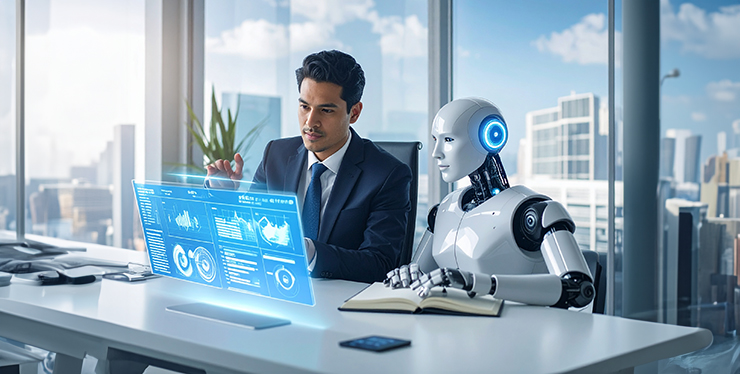
Technology has become an essential part of modern life, influencing how people communicate, work, learn, shop, and manage their daily responsibilities. From smartphones and cloud computing to artificial intelligence and smart devices, digital innovations continue to reshape industries and create new opportunities. What once seemed like futuristic concepts are now practical tools used by individuals, businesses, and organizations around the world.
As technology advances, people are becoming more dependent on digital platforms that offer convenience, speed, and access to information. Businesses are also adopting innovative solutions to improve productivity, strengthen customer relationships, and remain competitive in an increasingly connected world. Understanding these developments helps individuals make informed decisions about the tools and services they use.
The Growing Influence of Digital Technology
Digital technology has transformed the way information is created, shared, and accessed. In the past, many everyday activities required physical documents, face-to-face communication, or lengthy administrative processes. Today, digital platforms make it possible to complete many of these tasks within minutes.
Online communication tools allow people to connect across geographical boundaries, while digital marketplaces provide access to products and services without requiring customers to visit physical locations. Educational platforms have also expanded learning opportunities by offering online courses, virtual classrooms, and interactive resources.
This transformation is not limited to personal activities. Industries such as healthcare, manufacturing, transportation, education, and finance are using digital solutions to improve efficiency and develop better services.
Artificial Intelligence Is Changing Modern Industries
Artificial intelligence has become one of the most influential technological developments of recent years. AI-powered systems can process large amounts of information, recognize patterns, generate recommendations, and automate repetitive activities.
Businesses use artificial intelligence in customer support, data analysis, marketing, inventory management, and cybersecurity. Virtual assistants can respond to common questions, while intelligent analytics systems help organizations understand customer behavior and identify potential opportunities.
In healthcare, AI applications can support medical professionals by helping analyze images, organize patient information, and identify patterns that may require further examination. In education, personalized learning platforms can adjust educational content according to individual progress.
However, artificial intelligence also introduces important responsibilities. Data privacy, transparency, accuracy, and responsible implementation must remain priorities. AI should support human judgment rather than replace professional expertise in situations requiring careful evaluation.
Cloud Computing and the Expansion of Digital Services
Cloud computing has changed how individuals and organizations store information and access software. Instead of depending entirely on physical computers and local storage devices, users can access files, applications, and computing resources through internet-based services.
One of the biggest advantages of cloud technology is flexibility. Employees can collaborate on projects from different locations, businesses can adjust computing resources according to demand, and individuals can access important documents through multiple devices.
Cloud platforms also support the development of modern applications, online businesses, and digital communication systems. Small companies can use services that previously required significant investments in hardware and technical infrastructure.
Nevertheless, cloud adoption requires careful consideration of security, access permissions, backup procedures, and service reliability. Organizations must choose suitable providers and establish policies that protect sensitive information.
Cybersecurity and the Importance of Digital Protection
As more activities move online, cybersecurity has become an essential part of modern technology. Personal accounts, business databases, financial information, and communication platforms all require protection against unauthorized access and digital attacks.
Cybercriminals frequently use phishing emails, malicious software, stolen passwords, and fraudulent websites to target individuals and organizations. Even a seemingly harmless message can become a security risk when users unknowingly share confidential information.
Strong cybersecurity practices can significantly reduce these risks. Individuals should create unique passwords, activate multi-factor authentication, install security updates, and avoid opening suspicious attachments. Businesses should also train employees, monitor networks, maintain backups, and develop clear incident-response procedures.
Cybersecurity is not simply a technical responsibility. It requires awareness and cooperation from everyone who uses digital systems.
The Role of Fintech in Modern Financial Technology
Financial technology, commonly known as fintech, is changing how people manage money, access financial services, and complete transactions. Digital banking applications, mobile payment systems, online lending platforms, and financial management tools have made many financial activities more accessible.
Consumers can check account balances, transfer money, monitor spending, and make payments without visiting a traditional banking branch. Businesses can also use digital payment solutions to simplify transactions and serve customers in different markets.
Financial technology platforms have contributed to a more connected financial environment. People increasingly rely on digital resources to understand market developments, explore financial concepts, and follow changes in the technology-driven economy.
For readers interested in financial technology, market developments, and digital business trends, FintechZoom.com can be a useful keyword to explore when researching the broader relationship between technology and modern finance.
Despite these benefits, digital financial services require responsible use. Users should verify financial platforms, understand transaction fees, protect account credentials, and avoid making investment decisions based solely on online opinions or automated recommendations.
Smart Devices and the Internet of Things
The Internet of Things (IoT) connects physical devices to digital networks, allowing them to exchange information and perform automated functions. Smart home equipment, wearable devices, connected vehicles, and industrial sensors are common examples of this technology.
In residential environments, smart thermostats can adjust temperatures, connected lighting systems can respond to user preferences, and security cameras can provide remote monitoring. Wearable devices can also track activity levels and provide useful information about everyday routines.
Businesses use connected sensors to monitor equipment, manage supply chains, and identify maintenance requirements before major problems occur. These applications can reduce operational costs and improve efficiency.
However, connected devices also create potential privacy and security concerns. Manufacturers and consumers must consider software updates, data collection practices, and network protection when adopting IoT products.
Automation and the Changing Workplace
Automation is transforming workplaces by reducing repetitive tasks and improving operational consistency. Software applications, robotic systems, and intelligent machines are being used across manufacturing, logistics, customer service, and administrative departments.
For businesses, automation can save time, reduce manual errors, and allow employees to focus on activities that require creativity and decision-making. Automated scheduling tools, digital document processing, and customer relationship systems are practical examples of this transformation.
The changing workplace also creates a need for new skills. Employees increasingly benefit from understanding digital tools, analyzing information, solving problems, and adapting to new systems.
Rather than viewing automation only as a replacement for human work, organizations should consider how technology and human capabilities can complement one another. Proper training and responsible implementation can help workers adapt to changing professional requirements.
Sustainable Technology and Environmental Innovation
Technology can also contribute to environmental protection and more efficient resource management. Renewable energy systems, electric transportation, smart electricity networks, and energy-efficient buildings are helping organizations explore more sustainable operating methods.
Solar panels and wind turbines provide alternatives to conventional energy generation, while smart monitoring systems can help identify unnecessary energy consumption. Modern agricultural technologies can also support efficient irrigation and more precise resource use.
However, technological development has its own environmental impact. Electronic waste, energy-intensive data centers, and the production of electronic components create challenges that require attention.
Manufacturers, governments, and consumers can contribute by supporting durable products, responsible recycling, energy-efficient equipment, and sustainable production practices.
The Importance of Digital Skills in Everyday Life
As technology becomes more deeply integrated into society, digital literacy is becoming increasingly valuable. People need more than the ability to operate smartphones or browse websites. They must also understand how to evaluate information, protect personal data, recognize online scams, and use digital tools effectively.
Students can benefit from learning programming fundamentals, online research methods, and digital collaboration. Professionals may need to develop skills in data analysis, cybersecurity awareness, artificial intelligence, and cloud-based applications.
Digital education should also encourage critical thinking. Not every online claim is accurate, and not every technological product is suitable for every situation. Understanding the advantages and limitations of digital tools helps people make better choices.
What the Future Holds for Technology
The future of technology will likely involve deeper integration between artificial intelligence, automation, cloud computing, robotics, and connected devices. These technologies are expected to create new products, improve existing services, and influence how industries operate.
Advances in computing may support faster data processing, while improvements in communication networks can enable more connected applications. Digital healthcare, intelligent transportation, personalized education, and advanced manufacturing are among the areas that may experience further transformation.
At the same time, future progress will depend on responsible innovation. Governments, technology companies, researchers, and consumers must address questions involving privacy, cybersecurity, accessibility, employment, and ethical development.
The most successful technological solutions will not necessarily be the most complicated. They will be the ones that solve genuine problems, provide meaningful benefits, and remain accessible to the people who need them.
Conclusion
Digital technology continues to shape modern society by changing how people work, communicate, manage finances, and access information. Artificial intelligence, cloud computing, cybersecurity, fintech, smart devices, and automation are creating opportunities across personal and professional environments.
However, technological progress should be accompanied by digital awareness, responsible decision-making, and strong security practices. Individuals and businesses that understand both the benefits and limitations of emerging innovations will be better prepared for future developments.
Technology is most valuable when it improves everyday experiences and makes essential services more efficient, accessible, and reliable. As innovation continues, staying informed and developing practical digital skills will remain important for navigating an increasingly connected world.