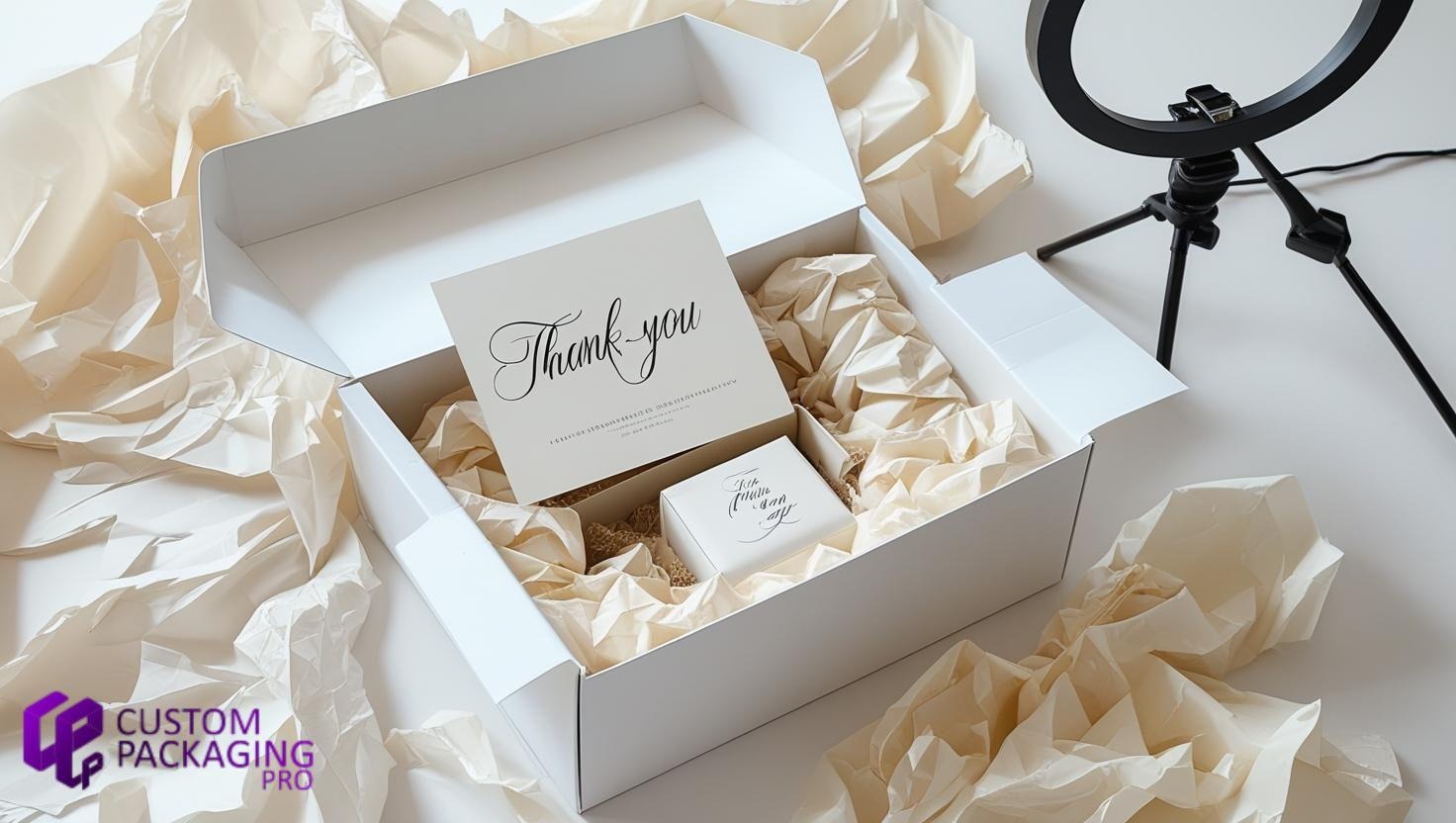
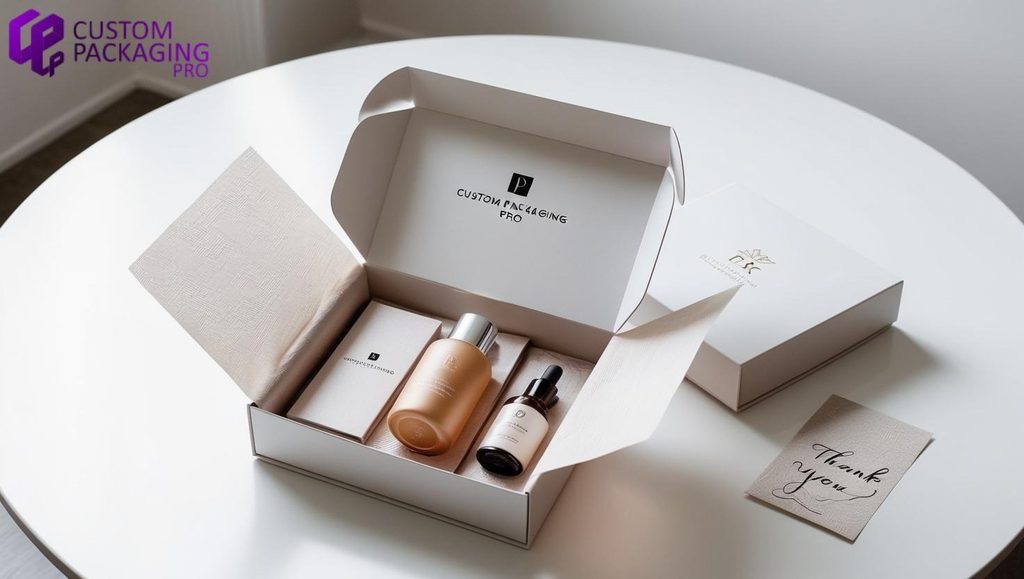
Winning a subscription customer is only the beginning. The real challenge is giving that customer enough value to stay for the second, third, and tenth delivery. Product quality obviously matters, but the experience surrounding those products can influence how subscribers perceive the entire service. This is where custom subscription boxes become particularly valuable.
Unlike ordinary ecommerce packaging, a subscription box appears repeatedly at a customer’s door. Every delivery is another brand interaction and another opportunity to create anticipation. A poorly packed shipment can make a carefully curated service feel ordinary, while thoughtful packaging can turn the arrival of a monthly subscription into something customers genuinely look forward to.
For beauty, food, books, coffee, fashion, pets, and lifestyle brands, packaging therefore has a bigger job than getting products safely from a warehouse to a doorstep. It needs to make recurring deliveries continue to feel worth opening.
Subscription Packaging Has to Perform More Than Once
Most retail packaging is designed around a single purchasing moment. Subscription packaging operates differently because the customer sees it repeatedly.
The first delivery may impress simply because the experience is new. By the fourth or fifth shipment, novelty alone is no longer enough. The packaging system needs consistency while still giving the brand opportunities to introduce fresh experiences.
Successful subscription boxes often establish recognizable design elements—such as box structure, logo placement, typography, or interior presentation—while rotating smaller details for seasonal campaigns or monthly themes.
This creates familiarity without making every delivery feel identical.
The box becomes something subscribers recognize immediately when it arrives, which can strengthen the emotional connection between the customer and the service.
The Products Inside Should Determine the Box
A subscription company should not begin by selecting a trendy mailer and then trying to fit every month’s products inside it.
Start with the contents.
A beauty box subscription may contain small skincare bottles, tubes, cosmetics, and samples that need compartments or cushioning. A book subscription box may need stronger corners and a snug internal fit to prevent bent covers. A snack subscription box has to accommodate products with different shapes while keeping them organized.
The same principle applies to:
- Makeup subscription boxes
- Food subscription boxes
- Coffee subscription boxes
- Tea subscription boxes
- Dog and cat subscription boxes
- Fashion subscription services
- Children’s subscription boxes
- Gift subscription boxes
- Lifestyle collections
Product weight, dimensions, fragility, quantity, and arrangement should influence the structure.
A right-sized box can reduce unnecessary movement and make the contents appear more intentionally curated when the package is opened.
The Unboxing Sequence Is Part of the Experience
One useful way to design custom subscription boxes is to think about what customers see in sequence.
First comes the exterior. This should be recognizable enough to create anticipation without necessarily revealing everything inside.
Next comes the moment the box opens. The interior might introduce a short brand message, campaign theme, or printed design.
Then customers see the products themselves.
The arrangement at this stage matters. Products piled randomly into a large carton can reduce the perceived value of the collection, even when the individual items are excellent. Inserts, dividers, tissue, or carefully planned placement can make the same products feel more considered.
Finally, supporting materials such as product cards, instructions, promotional offers, or QR codes can guide customers toward the next interaction.
Designing this sequence intentionally makes opening the box part of the service rather than just the final stage of shipping.
Beauty Subscription Boxes Need Visual Cohesion
Beauty subscriptions are a strong example of why internal presentation matters.
A typical beauty subscription box may combine skincare, makeup, hair products, and accessories from several manufacturers. Each product already has different colors, shapes, and packaging.
Without organization, the collection can quickly appear visually chaotic.
A consistent outer box and carefully planned interior provide a visual framework that brings unrelated products together. Dividers or inserts can separate fragile bottles from other items, while printed interior graphics can reinforce the subscription company’s own identity.
For monthly beauty subscription boxes, the box can also provide space for routines, product instructions, featured brands, or QR codes linking customers to tutorials.
The subscription provider remains visible even when the products inside come from multiple brands.
Food Subscription Boxes Have a Different Set of Priorities
A food subscription box should not simply copy the packaging strategy of a beauty subscription.
Food collections may include jars, packets, boxes, pouches, or other products with different weights and handling needs. Arrangement becomes important because heavier items can damage lighter products when there is too much movement during transportation.
The nature of the products also matters. Shelf-stable snacks have different packaging and distribution requirements from items requiring controlled temperatures. Businesses shipping temperature-sensitive foods need appropriate specialized systems rather than relying solely on the decorative subscription carton.
For shelf-stable Food Subscription Boxes, the outer package can still contribute significantly to presentation. Dividers can organize different products, while printed materials can explain flavors, origins, serving suggestions, or the theme of that month’s selection.
A carefully organized food delivery can feel like a curated tasting experience rather than a collection of unrelated groceries.
How Much Should Change From Month to Month?
One of the most interesting subscription packaging decisions is determining how much variation customers should see.
Printing a completely different box every month may sound exciting, but it can increase production complexity and make inventory planning difficult. Never changing anything, however, may cause the experience to become predictable.
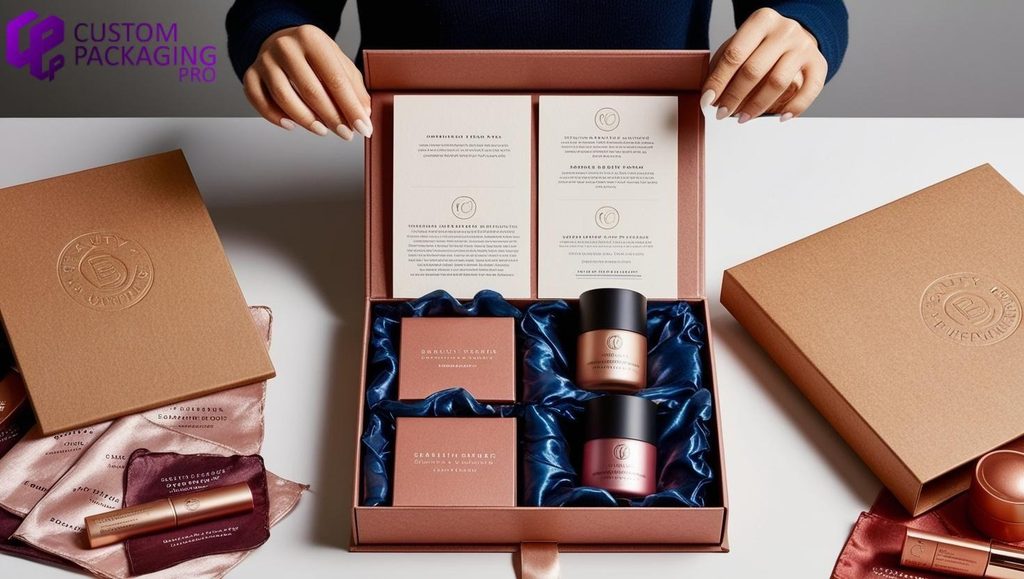
A balanced system can keep the core packaging consistent while changing selected elements.
For example, a brand might maintain the same structural box and logo but rotate:
- Interior artwork
- Tissue patterns
- Printed cards
- Stickers
- Seasonal sleeves
- Monthly themes
- Promotional inserts
This approach allows monthly subscription boxes to feel fresh without requiring an entirely new packaging structure for every shipment.
It can also make unused packaging easier to carry into the following month’s fulfillment cycle.
Shipping Costs Should Influence Packaging Design Early
Subscription businesses ship repeatedly, which means small packaging inefficiencies can multiply quickly.
A slightly oversized box might seem insignificant for one shipment. Across thousands of monthly orders, unnecessary dimensions can increase material usage, void fill, storage requirements, and potentially transportation costs.
Custom sizing allows brands to develop packaging around their typical product mix.
Businesses should evaluate how products fit together, how much cushioning is genuinely required, and whether multiple box sizes would be more efficient than one oversized format used for every subscription tier.
Weight matters too. Decorative additions should contribute enough to the experience to justify the additional material and fulfillment effort.
The best-looking subscription box is not necessarily the best business decision if it creates unnecessary recurring costs.
Packaging Can Support Retention Beyond the Unboxing Moment
Subscription businesses need customers to think about what happens next.
Packaging can help.
A printed QR code can lead subscribers to product tutorials or their account page. An insert can preview the next month’s theme. Referral information can encourage customers to introduce friends. Loyalty benefits can reward long-term subscribers.
A coffee subscription might include brewing recommendations. A tea subscription box could explain the origin and preparation of each blend. A book service could include reading notes or discussion prompts. A pet subscription could introduce the products and suggest how to use them.
These details extend the usefulness of the package beyond transportation.
Instead of asking only, “How should this box look?” subscription brands can ask, “What should the customer do after opening it?”
That question often leads to more effective packaging.
Social Sharing Should Be Encouraged, Not Forced
Subscription products naturally lend themselves to social content because customers often do not know exactly what they will receive.
Packaging can enhance this sense of reveal.
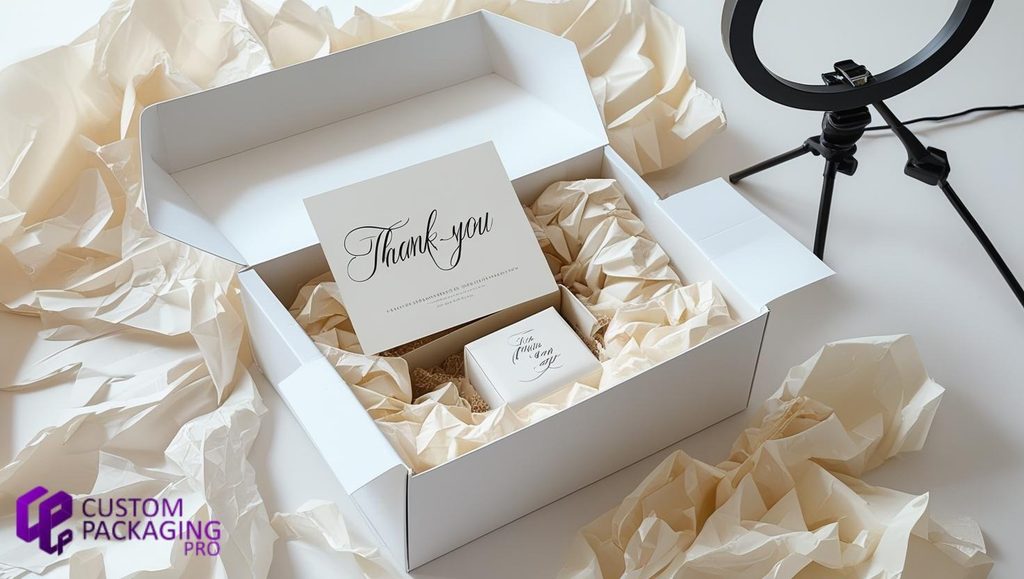
A clean interior, organized product arrangement, and recognizable branding make the box easier to photograph or film. Small branded details can remain visible in customer-generated images without overwhelming the products themselves.
However, designing solely for social media can create packaging that looks impressive in photos but performs poorly during shipping.
Protection and usability should remain the foundation. Shareability is most valuable when it grows naturally from a good customer experience.
Sustainable Design Means Looking at Every Recurring Shipment
Sustainability deserves particular attention in subscription businesses because packaging is sent to the same customers repeatedly.
Even small amounts of unnecessary material are multiplied across the lifetime of a subscription.
Right-sizing boxes, reducing unnecessary layers, choosing recyclable paper-based structures where appropriate, and simplifying inserts can help businesses improve material efficiency.
The recurring nature of the model also creates an opportunity to explain disposal or recycling instructions consistently to subscribers.
Brands should be cautious about making broad environmental claims without evidence. Practical design decisions—such as reducing empty space and eliminating unnecessary components—can often communicate responsible thinking more effectively than adding generic sustainability language to the box.
When Should a Subscription Brand Upgrade Its Packaging?
Not every startup needs an elaborate package on day one.
Early-stage businesses may prioritize a simple, dependable structure while they learn which products customers prefer and how order configurations change. As the subscriber base grows, customization can become more valuable.
Signs that packaging may need an upgrade include frequent transit damage, excessive empty space, inconsistent presentation, slow packing processes, or customer feedback that the experience feels underwhelming.
Growth can also create opportunities for different subscription tiers. A standard monthly box and a premium gift subscription may benefit from separate packaging experiences.
The important point is to treat packaging as a system that can evolve with the business rather than a design that must remain unchanged forever.
Developing Custom Subscription Boxes With Custom Packaging Pro
Custom Packaging Pro develops custom subscription boxes for beauty, food, books, lifestyle, pet, fashion, gifting, and ecommerce businesses. Packaging can be tailored around recurring product combinations, internal organization, shipping requirements, branding, and the experience customers have each time their monthly delivery arrives.
Businesses can create custom boxes with logo for recognizable recurring shipments, develop tailored custom product packages for different subscription tiers, or use custom wholesale packaging as order volumes increase. As a custom packaging supplier, Custom Packaging Pro helps brands bring structure, printing, sizing, and presentation together so packaging can support both efficient fulfillment and stronger subscriber experiences.
FAQs
- What are custom subscription boxes?
Custom subscription boxes are packaging solutions developed specifically for businesses that send recurring product deliveries. Their dimensions, printing, structure, and internal organization can be customized around the products and brand.
- Which businesses can use subscription packaging?
Subscription packaging can be used for beauty products, cosmetics, books, snacks, food, coffee, tea, pet products, fashion, children’s products, gifts, and many other recurring ecommerce services.
- Do monthly subscription boxes need a different design every month?
Not necessarily. Brands can maintain the same core box while changing interior printing, cards, sleeves, stickers, or seasonal elements. This creates variety while preserving recognizable branding.
- How can custom packaging improve a subscription unboxing experience?
Custom sizing, organized product placement, printed interiors, inserts, and useful supporting materials can make the delivery feel intentionally curated and easier for customers to engage with.
- Can subscription boxes be produced for growing businesses?
Yes. Packaging can be developed for different product configurations and scaled as subscriber numbers increase, allowing businesses to maintain consistent branding while adapting to larger fulfillment volumes.