A home is more than just a place to live. It is a space where people create memories, build routines, and experience different stages of life. However, many homes are designed only for the needs of today, without considering how those needs may change in the future.
Aging, injuries, mobility changes, or family requirements can make everyday activities more challenging over time. Simple tasks like using the bathroom, climbing stairs, reaching storage areas, or moving between rooms may become difficult if a home is not designed with flexibility in mind.
The idea of an age-friendly home is not about making a property look like a medical facility. Modern accessibility design focuses on comfort, safety, and convenience while maintaining style and personality. With thoughtful planning, accessibility features can blend naturally into beautiful interiors and improve the experience for everyone living in the home.
What Does It Mean to Design a Home That Ages Well?
A home that ages well is designed to support people throughout different life stages. It allows homeowners to remain comfortable and independent without requiring major renovations when circumstances change.
This approach is often called universal design. Instead of creating spaces only for people with specific limitations, universal design focuses on features that benefit everyone.
For example:
- A wider doorway helps someone using a wheelchair but also makes moving furniture easier.
- A walk-in shower improves safety for older adults but also creates a modern bathroom style.
- Better lighting helps seniors see clearly but improves comfort for all family members.
- Lever-style door handles are easier to use for people of all ages.
The goal is to create a home that feels natural, attractive, and practical.
Open Floor Plans With Better Movement
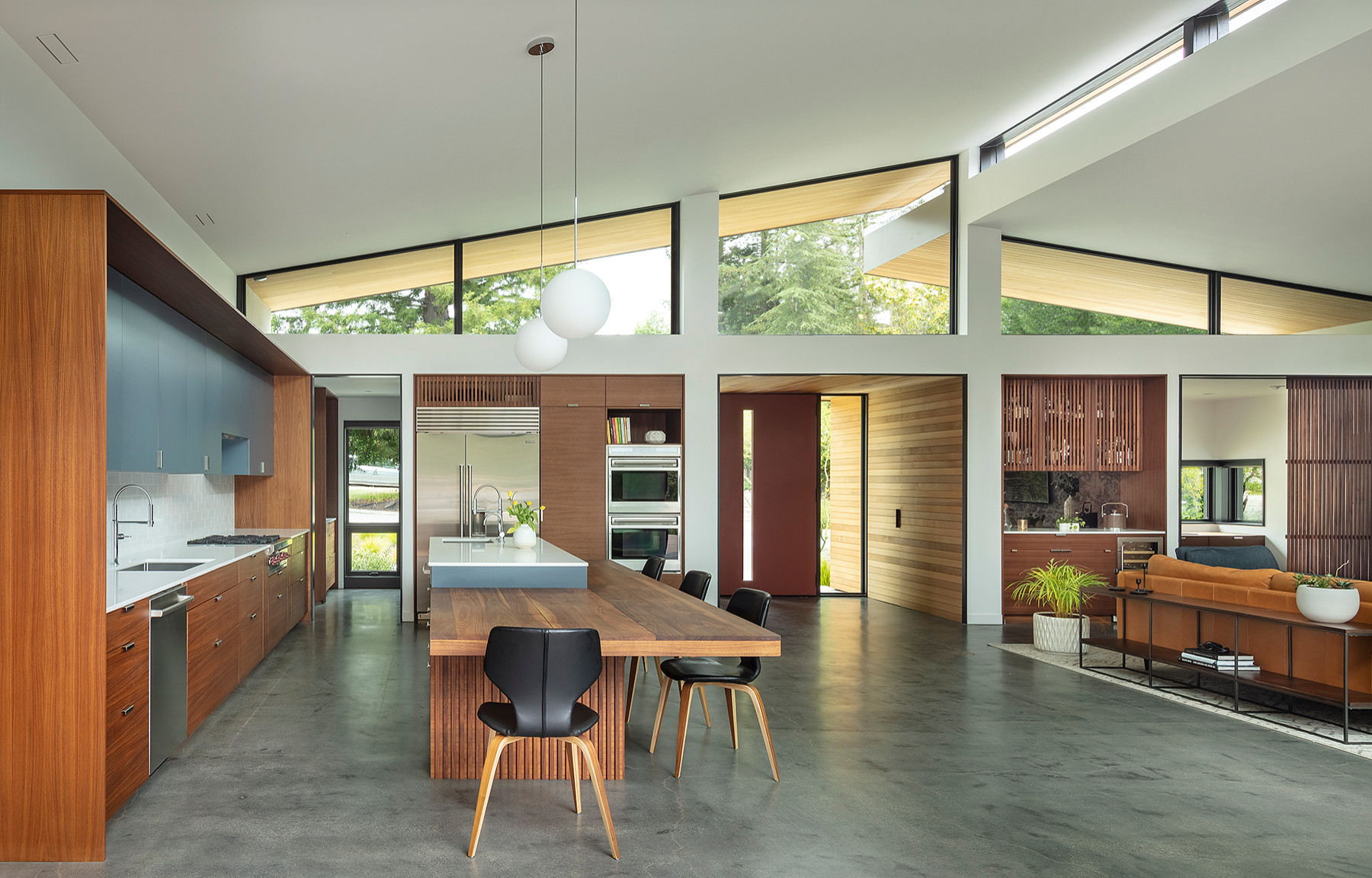
One of the most important aspects of an age-friendly home is easy movement between spaces. Narrow hallways, tight corners, and crowded layouts can create challenges as mobility needs change.
A well-planned home should provide:
- Comfortable walking paths
- Fewer unnecessary barriers
- Easy access between essential rooms
- Enough space for different types of movement
Open layouts can make a home feel larger while improving accessibility. However, this does not mean every wall needs to be removed. Smart design decisions, such as wider passages and better furniture placement, can create a more comfortable environment.
A good layout also considers future needs. For example, having a bedroom and full bathroom on the main floor can provide flexibility if climbing stairs becomes difficult later.
Stylish Bathrooms With Improved Safety
Bathrooms are one of the most important areas when designing a home for long-term comfort. They are also one of the most common places where slips and falls occur.
Traditional accessibility solutions sometimes focused only on function, but modern bathroom designs combine safety with aesthetics.
Features that improve bathroom usability include:
Walk-In Showers
A walk-in shower removes the need to step over a high bathtub edge. Modern designs can include frameless glass panels, elegant tiles, and hidden drainage systems that look like luxury hotel bathrooms.
Built-In Seating
A shower seat can provide comfort and safety without looking institutional. Built-in benches made from matching tiles can become a stylish design feature.
Slip-Resistant Flooring
Floor materials with better grip reduce accident risks while still offering attractive patterns, textures, and finishes.
Proper Lighting
Good bathroom lighting improves visibility and creates a more relaxing atmosphere. Layered lighting, including ceiling lights and mirror lighting, can eliminate shadows and make the space easier to use.
Kitchen Designs That Support Independence
The kitchen is often the heart of the home, and small design choices can make it easier to use for many years.
Age-friendly kitchen improvements do not require sacrificing modern style.
Helpful features include:
- Pull-out shelves instead of deep cabinets
- Drawers that allow easier access to cookware
- Countertops at comfortable working heights
- Easy-to-reach storage areas
- Touchless faucets
- Good task lighting
Lower cabinets with sliding drawers can reduce bending and reaching. Similarly, placing frequently used items in convenient locations can make daily tasks easier.
Modern kitchens can include these features while maintaining a clean and contemporary appearance.
Better Lighting for Safety and Comfort
Lighting becomes increasingly important as people age because vision changes can make it harder to notice obstacles, steps, or changes in floor levels.
A well-designed home should include multiple layers of lighting:
- General lighting for overall visibility
- Task lighting for specific activities
- Accent lighting for atmosphere and design
Motion-activated lights can also improve safety by automatically illuminating areas such as hallways, bathrooms, and staircases during nighttime.
Natural light should also be considered during the design process. Larger windows, glass doors, and thoughtful placement can create brighter spaces while reducing dependence on artificial lighting.
Flooring Choices That Improve Stability
Flooring has a major impact on comfort and safety. Slippery surfaces, uneven transitions, and loose rugs can create unnecessary risks.
Good flooring choices for an aging-friendly home include:
- Low-maintenance surfaces
- Slip-resistant finishes
- Smooth transitions between rooms
- Durable materials that handle long-term use
Luxury vinyl flooring, engineered wood, and certain types of tile can provide attractive designs while offering practical benefits.
The key is choosing materials that look beautiful while supporting safe movement.
Smart Home Technology for Long-Term Comfort
Technology is becoming an important part of modern accessibility design. Smart home systems can improve convenience without changing the appearance of a home.
Examples include:
- Voice-controlled lighting
- Smart thermostats
- Automated blinds
- Video doorbells
- Smart locks
- Water leak detection systems
These features can help homeowners manage daily tasks more easily while adding security and energy efficiency.
The best technology solutions are those that work quietly in the background rather than making the home feel complicated.
Stair Solutions and Multi-Level Homes
Stairs can become challenging over time, but there are several ways to improve safety without completely changing the home’s structure.
Helpful improvements include:
- Strong handrails on both sides
- Better stair lighting
- Contrasting edges for visibility
- Non-slip stair surfaces
For homes with multiple floors, planning a future option for a stair lift or alternative living arrangement can provide additional flexibility.
Designing for the Future Without Losing Style
One of the biggest misconceptions about accessible homes is that they must look different from traditional houses. Modern design has changed this idea completely.
Accessibility features can now be integrated into elegant interiors through thoughtful choices.
Examples include:
- Stylish grab bars that look like bathroom accessories
- Modern walk-in showers
- Beautiful wide doorways
- Hidden smart technology
- Designer lighting solutions
- Functional furniture arrangements
The focus is no longer on making a home look adapted. It is about creating a space that works better for everyone.
Final Thoughts
Designing a home that ages well is an investment in comfort, independence, and long-term value. The best age-friendly homes do not feel medical or restrictive. Instead, they feel welcoming, practical, and thoughtfully designed.
By considering accessibility during the planning or renovation stage, homeowners can create spaces that remain comfortable through different stages of life. Features such as better lighting, safer bathrooms, flexible layouts, and smart technology improve daily living while maintaining modern style.
A well-designed home should not only meet today’s needs. It should continue supporting the people who live there for many years to come.