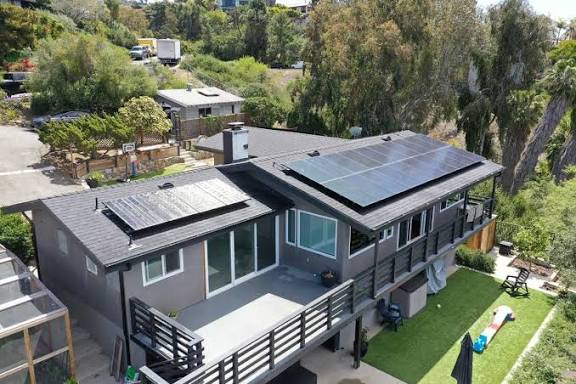
For many years, home battery systems were mainly associated with solar panel installations. Most homeowners considered batteries useful only when they could store extra solar energy during the day and use it at night. However, this idea is changing.
Modern home battery systems can now provide value even without solar panels. Rising electricity costs, power outages, unstable energy grids, and the need for better energy control are encouraging homeowners to consider standalone battery storage solutions.
A home battery without solar does not generate electricity. Instead, it stores electricity from the grid when power is available and makes that stored energy available when needed. Depending on electricity prices, local grid conditions, and personal needs, this approach can sometimes make financial and practical sense.
What Is a Home Battery System Without Solar?
A standalone home battery system is an energy storage unit connected to your home’s electrical system without being paired with solar panels.
The system typically includes:
- Battery storage units
- An inverter to convert stored energy into usable electricity
- A monitoring system or mobile application
- Electrical connections and safety equipment
Unlike traditional backup generators that use fuel, battery systems store electricity silently and deliver power automatically during outages.
The battery charges from the electrical grid when electricity is available. During a blackout or high-cost electricity period, it can supply power to selected appliances or even parts of the entire home depending on the system size.
Why Are Homeowners Considering Batteries Without Solar?
Solar energy is still one of the most popular ways to use batteries, but it is not the only reason people install energy storage.
Several factors are increasing interest in standalone battery systems.
Protection Against Power Outages
One of the biggest reasons homeowners purchase batteries is reliability.
Power outages can affect:
- Home security systems
- Internet equipment
- Refrigerators and freezers
- Medical devices
- Heating and cooling systems
- Work-from-home setups
A battery system provides a backup power source without the noise, maintenance, and fuel storage requirements of a traditional generator.
For areas with frequent outages or unreliable electricity supply, this benefit alone may justify the investment.
Using Electricity During Cheaper Hours
Some electricity providers use time-based pricing, where electricity costs change depending on demand.
During high-demand periods, electricity prices may increase. A home battery can charge when electricity is cheaper and provide power when rates are higher.
This strategy is known as energy arbitrage.
For example:
- Battery charges overnight when electricity rates are lower
- Stored energy powers the home during expensive evening hours
The financial benefit depends heavily on local electricity pricing. In areas with significant price differences between peak and off-peak hours, batteries can help reduce monthly bills.
Can a Battery System Actually Save Money Without Solar?
The answer depends on several factors.
A battery system may provide financial benefits when:
- Electricity prices are high
- Peak-hour rates are expensive
- Power outages are frequent
- Utility companies offer battery incentives
- The homeowner values energy independence
However, in areas where electricity prices are stable and outages are rare, recovering the installation cost through savings alone may take many years.
A battery should not be viewed only as a money-saving device. For many homeowners, it is also an insurance policy against power interruptions and energy uncertainty.
Understanding Battery Size and Home Energy Needs
One of the biggest mistakes homeowners make is choosing a battery based only on the size of their house.
A larger home does not always require a larger battery. The important factor is energy consumption and which appliances need backup power.
A small battery may support essential systems such as:
- Lights
- Wi-Fi routers
- Security cameras
- Refrigerators
- Small electronics
A larger battery system may support:
- Air conditioning
- Heating systems
- Kitchen appliances
- Water pumps
- Electric vehicle charging
Before buying a battery, homeowners should analyze their actual energy needs instead of purchasing the largest available option.
Battery Systems vs Traditional Generators
Both batteries and generators can provide backup electricity, but they work differently.
Traditional generators:
- Require fuel
- Create noise
- Produce emissions
- Need regular maintenance
- Take time to start
Battery systems:
- Operate silently
- Require less maintenance
- Start automatically
- Produce no direct emissions during use
- Can be installed indoors in some cases
However, generators can often provide power for longer periods if fuel is available, while batteries are limited by their storage capacity.
Some homeowners even combine both systems, using batteries for short outages and generators for extended emergencies.
Types of Home Batteries Available
Several battery technologies are available for residential use.
Lithium-Ion Batteries
Lithium-ion batteries are currently the most common choice for home energy storage.
Advantages include:
- High energy density
- Long lifespan
- Faster charging
- Compact size
Many modern home battery products use lithium iron phosphate (LiFePO4) technology because it offers improved safety and durability.
Other Battery Technologies
Older battery technologies exist but are less common for modern homes due to size, maintenance requirements, or shorter lifespan.
As technology improves, future home batteries may become more affordable, efficient, and environmentally friendly.
Installation Considerations Before Buying
Installing a home battery is not simply a matter of placing a unit in a garage and connecting it.
Homeowners should consider:
Electrical System Compatibility
Older homes may require electrical upgrades before supporting battery storage.
A professional assessment can determine whether the existing electrical panel and wiring can handle the system.
Available Installation Space
Battery units need a suitable location that meets safety requirements.
Possible locations include:
- Garages
- Utility rooms
- Exterior walls
- Dedicated equipment areas
Professional Installation
Battery systems involve high-voltage electrical components. Professional installation helps ensure proper safety, performance, and compliance with local regulations.
The Future of Standalone Home Energy Storage
The role of home batteries is expected to expand as energy systems become more flexible and connected.
Future developments may include:
- Smarter energy management software
- AI-based electricity optimization
- Better battery lifespan prediction
- Integration with electric vehicles
- Virtual power plant participation
In the future, homeowners may not only store electricity for emergencies but also participate in larger energy networks by allowing utilities to manage stored energy during high-demand periods.
When Does a Home Battery Without Solar Make Sense?
A standalone battery system may be a good choice for homeowners who:
- Experience frequent power outages
- Work remotely and need reliable electricity
- Have expensive peak electricity rates
- Want cleaner alternatives to fuel generators
- Need backup power for important equipment
It may not be the best financial decision for homeowners with reliable electricity, low energy costs, and no need for backup power.
The right decision depends on personal priorities, local electricity conditions, and long-term ownership plans.
Final Thoughts
Home battery systems without solar panels are becoming a practical option for homeowners who want more control over their energy use. While they do not always provide immediate financial savings, they can offer valuable benefits through backup power, energy management, and protection against rising electricity costs.
Before investing, homeowners should carefully evaluate their electricity rates, outage frequency, energy requirements, and available incentives. A battery system is not a universal solution, but for the right situation, it can become an important part of a modern, resilient home.