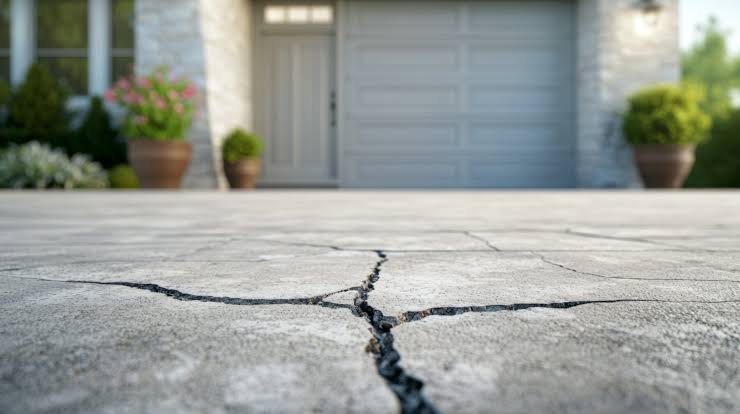
Home maintenance has always been one of the biggest responsibilities of property ownership. Cracks in walls, damaged surfaces, leaking structures, and aging materials can slowly reduce a building’s strength and appearance. While regular inspections and repairs can extend a home’s lifespan, traditional construction materials usually require human attention when problems appear.
However, the construction industry is entering a new phase with the development of smart building materials and self-healing technologies. These innovations aim to create structures that can detect damage, repair minor issues automatically, and reduce the need for frequent maintenance.
Self-healing concrete and other advanced materials may sound like futuristic concepts, but researchers, engineers, and construction companies are already exploring practical applications. These technologies could change how homes are designed, built, and maintained in the coming years.
What Is Self-Healing Concrete?
Self-healing concrete is an advanced type of concrete designed to repair small cracks automatically without traditional repair methods. Normal concrete can develop cracks over time because of temperature changes, moisture exposure, heavy loads, and natural aging.
Small cracks may seem harmless initially, but they can allow water and chemicals to enter the structure. Over time, this can lead to corrosion of reinforcement materials, weakening the building and creating expensive repair needs.
Self-healing concrete works by using special materials or biological processes that react when cracks appear.
Some approaches include:
- Bacteria-based healing systems
- Chemical healing agents
- Microcapsules containing repair materials
- Mineral-based reactions
When a crack forms, these components activate and fill the damaged area, helping prevent further deterioration.
How Does Bacteria-Based Self-Healing Concrete Work?
One of the most researched methods involves using specific bacteria that can survive inside concrete. These bacteria remain inactive until water enters through a crack.
When moisture reaches them, the bacteria become active and produce limestone-like materials that fill the crack.
The process is similar to how natural systems repair themselves. Instead of requiring workers to manually apply repair products, the material responds automatically to damage.
This technology is especially interesting for structures exposed to water, such as:
- Foundations
- Basements
- Retaining walls
- Underground structures
- Exterior concrete surfaces
For homeowners, this could mean fewer worries about small cracks becoming major structural problems.
Benefits of Self-Healing Concrete for Future Homes
The biggest advantage of self-healing concrete is improved durability. Buildings constructed with materials that can repair minor damage may require fewer repairs throughout their lifespan.
Reduced Maintenance Costs
Home repairs can become expensive, especially when small issues are ignored for years. A tiny foundation crack, for example, may eventually lead to water damage, mold problems, and structural concerns.
Self-healing materials could help prevent these issues before they become serious.
Longer Building Lifespan
Traditional concrete structures often require maintenance after years of exposure to weather conditions. Materials with self-repair capabilities could help buildings remain stronger for longer periods.
This could be valuable for homeowners who want properties that maintain their quality over decades.
Better Protection Against Weather Damage
Homes face different environmental challenges depending on location. Heavy rainfall, freezing temperatures, extreme heat, and humidity can all affect building materials.
Smart construction materials can provide additional protection against these conditions by responding to damage before it spreads.
Beyond Concrete: Other Smart Building Materials
Self-healing concrete is only one example of how construction materials are evolving. Many new materials are being developed to improve efficiency, durability, and comfort.
Smart Glass
Smart glass can change its properties based on sunlight, temperature, or electrical signals. It can help control indoor temperatures by reducing heat gain during hot weather and allowing more sunlight when needed.
This technology may reduce dependence on heating and cooling systems, improving energy efficiency.
Phase-Change Materials
Phase-change materials can absorb and release heat as temperatures change. They are designed to help maintain stable indoor conditions.
For example, during hot periods, these materials can absorb excess heat and release it later when temperatures drop.
This can make homes more comfortable while reducing energy consumption.
Advanced Insulation Materials
Traditional insulation has improved significantly, but newer materials are offering better performance with thinner layers.
Examples include:
- Aerogel insulation
- Vacuum insulation panels
- Reflective insulation systems
These materials can help homeowners improve energy efficiency without requiring major structural changes.
How Smart Materials Could Change Home Maintenance
The biggest change smart materials bring is a shift from reactive maintenance to preventive maintenance.
Today, homeowners often discover problems after visible signs appear. A leaking roof, cracked wall, or damaged pipe may already have caused significant damage by the time it is noticed.
Future homes may use materials and sensors that provide early warnings or automatically respond to minor issues.
For example:
- Walls could detect moisture buildup before mold develops
- Concrete structures could repair small cracks automatically
- Smart coatings could protect surfaces from environmental damage
- Building systems could alert homeowners about potential failures
This approach could make home ownership easier and reduce unexpected repair costs.
Are Smart Building Materials Affordable for Regular Homeowners?
One of the biggest challenges is cost. Advanced materials are often more expensive than traditional alternatives because they require specialized manufacturing and installation methods.
Currently, self-healing concrete is mostly used in specialized projects, research applications, and large infrastructure developments. However, as technology improves and production increases, prices may become more accessible.
Many construction innovations follow a similar pattern. They begin as expensive solutions for limited markets before becoming more common.
Solar panels, smart home devices, and energy-efficient appliances are examples of technologies that became more affordable over time.
Challenges of Self-Healing and Smart Materials
Although these materials offer exciting possibilities, they are not without limitations.
Higher Initial Investment
Homeowners may hesitate to pay more upfront for materials that provide benefits years later. The value depends on long-term savings and reduced maintenance requirements.
Limited Real-World Data
Some smart materials are still developing. Engineers need more information about how they perform over several decades in different climates and building conditions.
Installation Requirements
Advanced materials may require specialized knowledge. Contractors and builders will need proper training to use these products effectively.
The Future of Home Construction
The future of residential construction is likely to focus on creating homes that are not only beautiful but also intelligent and resilient.
Instead of building houses that simply withstand damage, the next generation of homes may actively respond to problems.
Smart materials could become part of a larger connected building system that includes:
- Artificial intelligence monitoring
- Automated maintenance alerts
- Energy management systems
- Predictive repair technology
- Environment-responsive designs
The goal is to create homes that require less intervention while providing better comfort and safety.
Final Thoughts
Self-healing concrete and smart building materials represent an important shift in the construction industry. While these technologies are still developing, they show how future homes could become more durable, efficient, and easier to maintain.
Homeowners may eventually move away from constant repair cycles and toward buildings designed for long-term performance. As material science continues to advance, the idea of homes that can protect and partially repair themselves may become a normal part of modern construction rather than a futuristic concept.