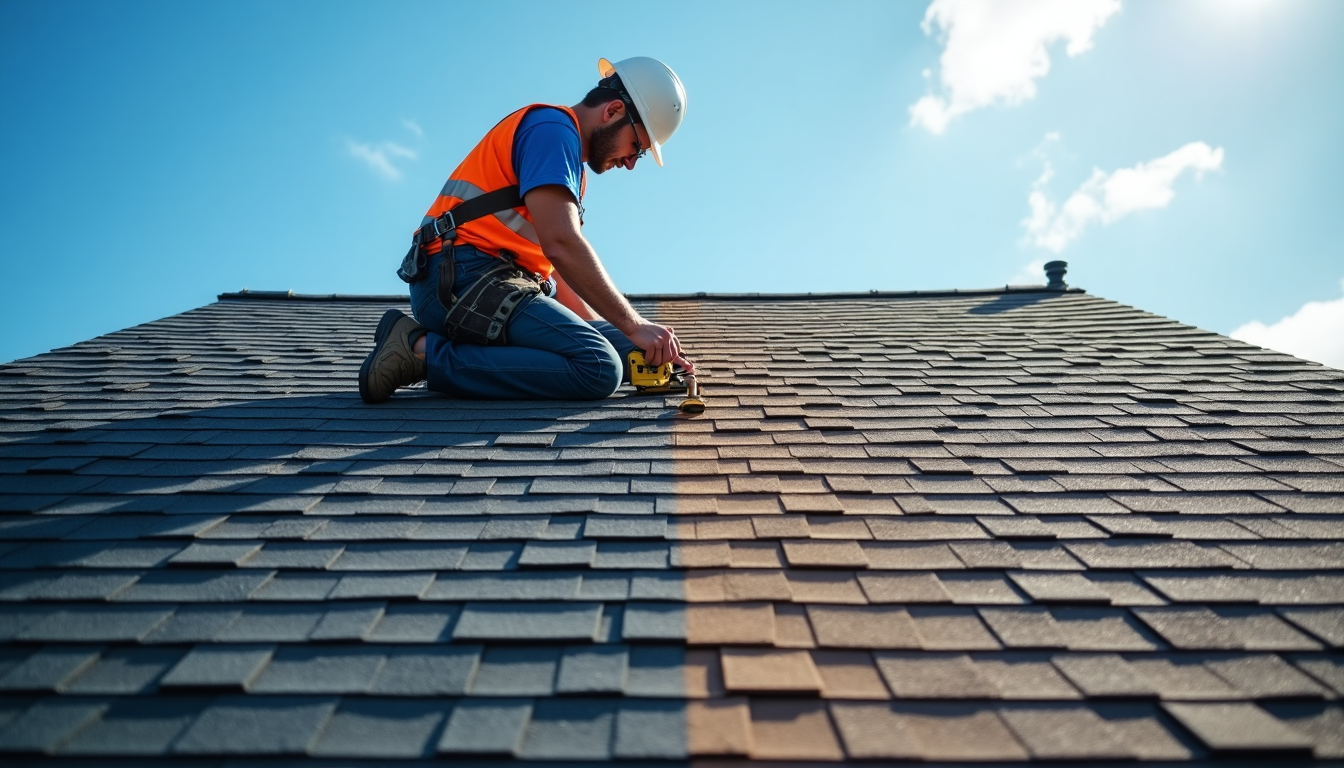
An asphalt shingle roof is one of the most common roofing choices for residential homes because it offers a practical balance between affordability, appearance, and protection. However, many homeowners assume that a roof only needs attention when there is an obvious problem, such as a leak, missing shingles, or visible damage after a storm.
The reality is that many roofing issues develop quietly over time. Small maintenance tasks that are often ignored can have a major impact on how long an asphalt shingle roof lasts. Regular inspections, proper cleaning, ventilation checks, and early repairs can help prevent expensive replacements and keep your home protected for many years.
Understanding these hidden maintenance tasks allows homeowners to take better care of their roofs before minor issues become serious structural problems.
Inspect the Roof After Severe Weather Events
One of the most overlooked roof maintenance habits is checking for damage after extreme weather. Strong winds, heavy rain, hail, and storms can affect asphalt shingles even when the damage is not immediately visible from the ground.
Wind can loosen shingles, damage flashing, or create small openings where water can enter. Hail may leave tiny impact marks that weaken the protective surface of shingles over time.
After a major storm, homeowners should look for:
- Missing or lifted shingles
- Loose roof edges
- Damaged gutters
- Small granules collecting near downspouts
- Cracked flashing around roof openings
A professional roof inspection after severe weather can identify problems early and prevent moisture damage inside the home.
Keep Gutters Clean to Protect Roof Edges
Gutters are often considered a separate home maintenance feature, but they play an important role in protecting asphalt shingle roofs. When gutters become clogged with leaves, dirt, and debris, water cannot flow properly away from the roof.
Blocked gutters can cause water to back up under shingles and damage the roof deck. Over time, trapped moisture may lead to wood rot, mold growth, and weakened roofing structures.
Cleaning gutters several times a year, especially during fall and rainy seasons, helps maintain proper drainage. Homeowners should also check that downspouts direct water away from the foundation.
Remove Moss, Algae, and Organic Growth Carefully
Moss and algae growth may seem like a cosmetic issue, but they can affect the performance of asphalt shingles. Moss holds moisture against the roof surface, creating conditions that can weaken shingles and reduce their lifespan.
Algae stains are common in areas with high humidity and limited sunlight. While algae usually does not cause immediate structural damage, heavy growth can indicate moisture retention problems.
However, roof cleaning should be done carefully. Using harsh pressure washing methods can remove protective granules from shingles and shorten roof life.
Safer cleaning approaches include:
- Using manufacturer-approved cleaning solutions
- Removing debris gently
- Improving sunlight exposure by trimming nearby branches
- Hiring professionals for heavy buildup
Check Attic Ventilation Regularly
Many homeowners focus only on the outside of their roof, but attic conditions directly affect roofing performance. Poor ventilation can create excessive heat and moisture buildup under asphalt shingles.
During hot weather, trapped heat can accelerate shingle aging. During colder months, moisture from indoor air can collect in the attic and contribute to mold growth or wood damage.
A properly ventilated attic helps:
- Reduce temperature extremes
- Control moisture levels
- Improve energy efficiency
- Protect roofing materials
Common ventilation problems include blocked vents, insufficient airflow, or damaged insulation placement. Checking attic ventilation during regular home inspections can prevent long-term roofing problems.
Monitor the Amount of Shingle Granules
Asphalt shingles contain protective granules that help shield the roof from sunlight and weather exposure. Over time, some granule loss is normal, especially with older roofs.
However, excessive granules in gutters or around the home’s drainage areas may indicate accelerated roof aging.
Homeowners should pay attention if they notice:
- Large amounts of dark granules in gutters
- Bald spots on shingles
- Uneven shingle surfaces
When shingles lose too many granules, they become more vulnerable to UV damage, reducing their ability to protect the home.
Inspect Flashing Around Roof Openings
Roof flashing is one of the most important but commonly ignored parts of a roofing system. Flashing creates a protective barrier around areas where water could enter, such as chimneys, skylights, vents, and roof edges.
Even when shingles appear healthy, damaged flashing can allow leaks to develop.
Regular checks should include:
- Loose metal flashing
- Cracked sealants
- Rust or corrosion
- Gaps around roof penetrations
Repairing flashing problems early is usually much less expensive than fixing interior water damage later.
Trim Overhanging Tree Branches
Trees can add beauty and shade to a property, but branches that touch or hang above the roof can create several problems.
Overhanging branches may:
- Scratch and damage shingles
- Drop leaves and debris
- Encourage moss growth
- Provide access for animals
During storms, large branches can also fall and cause serious roof damage.
Keeping trees properly trimmed reduces maintenance needs and improves airflow around the roof surface.
Avoid Walking on Asphalt Shingles Unnecessarily
Many homeowners do not realize that walking on asphalt shingles can cause damage. The pressure from footsteps can loosen granules, crack older shingles, or weaken areas that are already fragile.
Roof access should be limited to necessary inspections or repairs. When maintenance work is required, using proper equipment and techniques helps prevent accidental damage.
For tasks like cleaning, repairs, or inspections, hiring experienced roofing professionals is often the safer choice.
Replace Small Damaged Areas Quickly
A common mistake homeowners make is delaying minor roof repairs because the problem seems insignificant. A single cracked or missing shingle may not immediately create a leak, but it can expose the roofing system to moisture.
Small repairs can prevent:
- Water infiltration
- Mold problems
- Damaged insulation
- Expensive roof replacement
Regular maintenance is not about preventing every roof issue forever. It is about identifying problems early when solutions are simpler and more affordable.
Maintain Proper Roof Drainage Throughout the Year
Water management is essential for asphalt shingle roof longevity. Roofs are designed to move water away from the structure, but drainage problems can create unnecessary stress.
Homeowners should check:
- Gutters and downspouts
- Roof valleys
- Areas where water collects
- Drainage paths around the property
Standing water or poor drainage can speed up material deterioration and increase the chance of leaks.
Final Thoughts
Extending the life of an asphalt shingle roof does not always require expensive upgrades or major projects. Many of the most effective maintenance steps are simple tasks that homeowners often overlook.
Regular inspections, clean gutters, proper attic ventilation, careful cleaning, and quick repairs can significantly improve roof performance. A well-maintained asphalt shingle roof can provide reliable protection for many years while helping homeowners avoid unexpected repair costs.
The key is being proactive. Roof problems rarely appear overnight; they usually develop through small issues that are ignored over time. By paying attention to these hidden maintenance tasks, homeowners can protect their investment and keep their roofing system working efficiently for the long term.