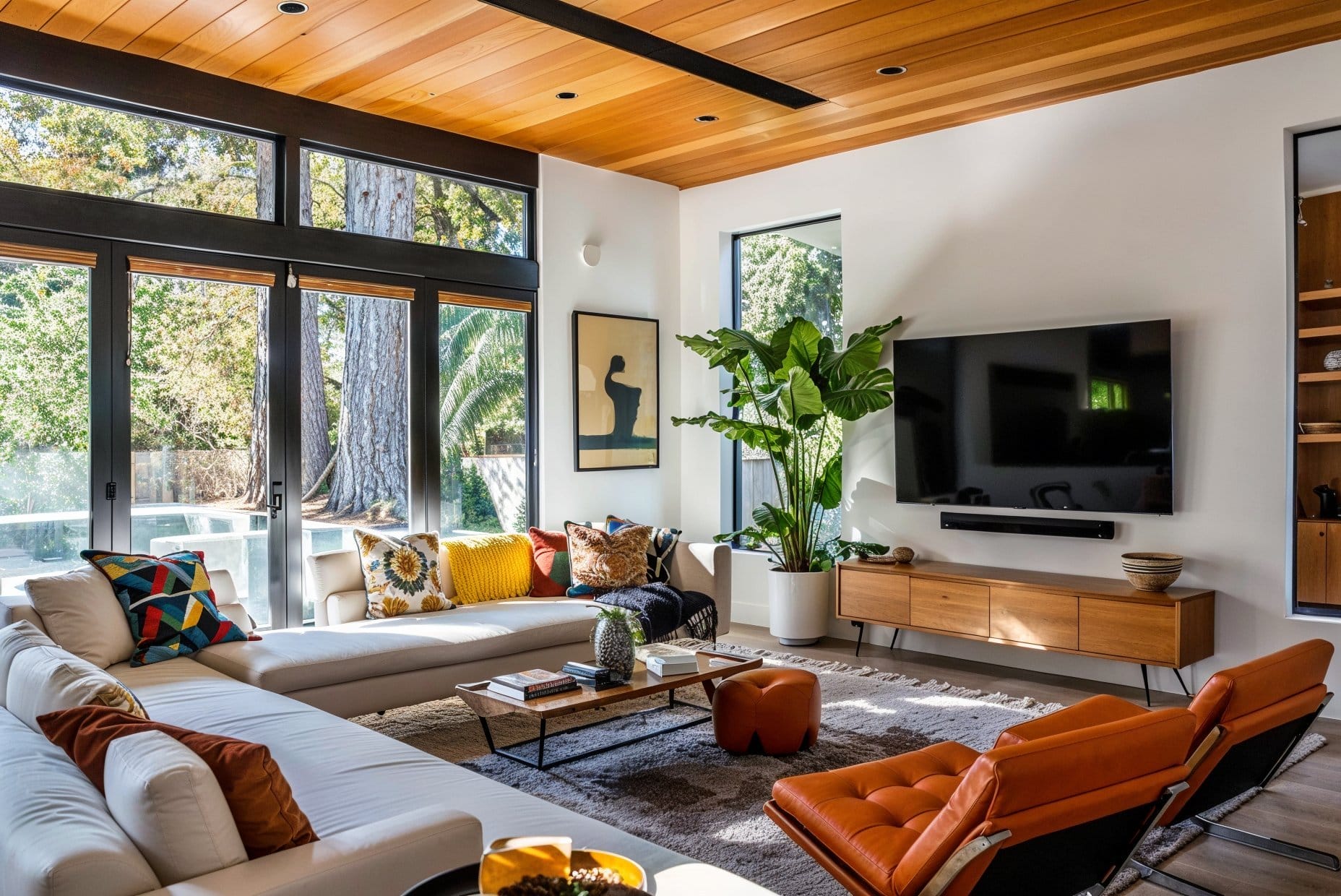
The world of home improvement is evolving rapidly, and 2026 is set to bring a wave of innovative trends that blend style, sustainability, and smart technology. Whether you’re a first-time homeowner, a seasoned DIY enthusiast, or someone planning a full-scale renovation, keeping up with the latest trends can help you create a living space that is modern, functional, and inviting. From eco-friendly solutions to advanced smart home systems, this guide covers the top home improvement trends you should know in 2026.
1. Smart Homes Become Smarter
Smart home technology continues to dominate the home improvement landscape. While devices like smart thermostats, lighting, and security cameras are already common, 2026 is ushering in more integrated, AI-driven systems. These solutions can learn your daily routines, optimize energy usage, and even anticipate your needs.
For example, advanced smart kitchens can suggest recipes based on the ingredients you have, while automated climate systems adjust your home’s temperature and lighting for comfort and efficiency. Investing in smart home technology not only improves convenience but also boosts your home’s value in the long term.
2. Sustainable and Eco-Friendly Upgrades
Environmental awareness has become a priority for homeowners worldwide. In 2026, eco-friendly home improvements are more than just a trend—they’re becoming a standard. From solar panels to energy-efficient windows, the focus is on reducing carbon footprints without compromising on style.
Water-saving fixtures, energy-efficient appliances, and sustainable materials like bamboo flooring or recycled countertops are gaining popularity. Homeowners are also exploring green roofs, rainwater harvesting systems, and home composting setups. These upgrades not only help the environment but can also lower utility bills over time.
3. Multi-Functional Spaces
The pandemic reshaped how we use our homes, and the need for multi-functional spaces continues to influence home design. Rooms are no longer defined by a single purpose. Instead, homeowners are seeking versatile spaces that can adapt to different needs.
For instance, a home office can double as a guest bedroom, a playroom can serve as a home gym, and a kitchen island can transform into a workspace or dining area. Furniture that is modular or foldable is increasingly in demand, allowing for flexible layouts that suit both work and leisure.
4. Bold and Personalized Interiors
Minimalism is still appreciated, but 2026 sees a shift toward bold, expressive interiors. Homeowners are embracing colors, textures, and patterns that reflect their personalities. Deep jewel tones, vibrant wallpapers, and mixed-material furnishings are making a comeback.
Custom-made furniture and artisanal décor pieces allow for a unique touch that stands out from mass-produced options. Personalization is key—whether it’s through curated art collections, bespoke shelving, or statement lighting, your home should tell your story.
5. Outdoor Living Spaces Are Expanding
Outdoor areas are no longer just secondary spaces—they’re extensions of the home. Homeowners are investing in fully equipped outdoor kitchens, cozy fire pits, and luxurious patios. These spaces are designed for entertaining, relaxation, and family gatherings.
Sustainable landscaping is also trending, with native plants, drought-resistant gardens, and natural stone patios. In addition, smart irrigation systems and weather-resistant furniture allow outdoor spaces to be low-maintenance while remaining visually appealing.
6. Wellness-Centered Design
Home improvement in 2026 is about more than aesthetics—it’s about well-being. Wellness-centered design integrates elements that promote physical, mental, and emotional health. Natural light, improved ventilation, and air-purifying plants are becoming must-haves in modern homes.
Homeowners are also exploring spa-inspired bathrooms with rainfall showers, heated floors, and soaking tubs. Meditation corners, home gyms, and soundproofed workspaces contribute to a balanced lifestyle. The focus is on creating spaces that support relaxation, productivity, and overall wellness.
7. Kitchen and Bathroom Innovations
Kitchens and bathrooms continue to be the most renovated spaces in homes, with 2026 bringing innovative solutions that combine luxury, functionality, and technology.
In kitchens, expect to see smart appliances with AI capabilities, touchless faucets, and advanced ventilation systems. Countertops made from sustainable and durable materials, such as quartz or recycled composites, are gaining popularity.
Bathrooms are adopting sleek, minimalist designs with multifunctional fixtures. Digital showers, self-cleaning toilets, and underfloor heating are no longer luxuries—they’re becoming standard upgrades for modern homes.
8. Home Offices Evolve
With remote work here to stay, home offices are evolving beyond simple desks and chairs. 2026 trends focus on ergonomic setups, smart lighting, and soundproofing solutions that increase productivity.
Homes are also integrating technology that connects office spaces to broader smart systems—think virtual assistants, AI-powered scheduling tools, and even intelligent furniture that adjusts automatically for comfort. This evolution transforms the home office into a professional-grade workspace.
9. Energy Efficiency and Resilience
Energy efficiency remains a top priority, but 2026 emphasizes resilience and independence. Homeowners are increasingly considering solutions that allow them to reduce reliance on public utilities. Solar panels paired with home battery storage, energy-efficient HVAC systems, and LED lighting are essential upgrades.
Additionally, resilient design is gaining traction, with homes being built or renovated to withstand extreme weather events. This includes reinforced windows, insulated roofing, and flood-resistant landscaping, ensuring homes are safe, durable, and energy-conscious.
10. Minimal Waste and Smart Renovation Practices
Renovation practices are evolving to minimize waste and maximize efficiency. Many homeowners are opting for reclaimed materials, modular construction, and pre-fabricated elements that reduce on-site waste.
Upcycling furniture, repairing instead of replacing, and sourcing locally-made products are becoming standard practices in sustainable home improvement. This approach not only lowers environmental impact but also provides unique, cost-effective solutions that add character to a home.
11. Emphasis on Technology-Driven Security
Security remains a critical concern, and technology-driven solutions are leading the way. Smart locks, video doorbells, motion-sensor lighting, and integrated alarm systems are becoming more sophisticated and affordable.
Future-ready homes will likely incorporate AI-based monitoring, allowing homeowners to detect anomalies, control security remotely, and even automate emergency responses. Home security in 2026 is no longer reactive—it’s proactive and intelligent.
12. Revival of Classic and Timeless Designs
While technology and innovation are at the forefront, many homeowners are blending modern upgrades with classic design elements. Timeless features like hardwood floors, crown molding, and traditional cabinetry are being combined with contemporary finishes for a balanced look.
This hybrid approach allows homes to remain stylish and relevant over time, appealing to both modern sensibilities and a sense of heritage.
Conclusion
The home improvement trends of 2026 reflect a desire for balance—between technology and nature, style and functionality, convenience and sustainability. From smart home systems and wellness-focused interiors to sustainable materials and outdoor expansions, the possibilities for upgrading your home are vast.
Staying informed about these trends can help homeowners make choices that not only enhance aesthetics but also improve quality of life, save money, and increase property value. Whether you’re planning a small upgrade or a complete renovation, incorporating these trends ensures that your home remains modern, efficient, and welcoming for years to come.
By embracing smart technology, eco-friendly solutions, and personalized design, your 2026 home can be both a haven and a reflection of your unique lifestyle—a space where comfort, style, and innovation coexist effortlessly.