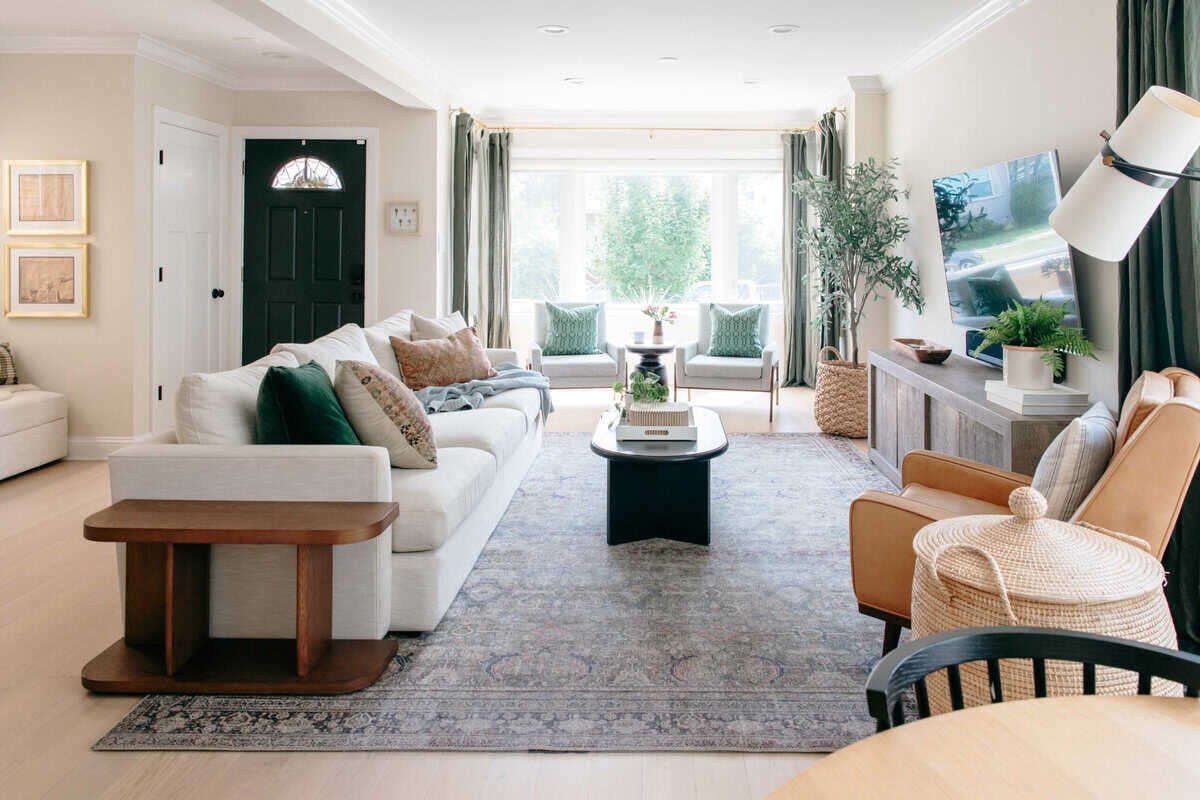
Improving your home doesn’t always mean breaking the bank or taking on large renovation loans. In fact, some of the most noticeable and satisfying upgrades come from small, smart changes that cost very little but make a big difference in how your space looks and feels. Whether you live in a rented apartment or your own house, there are always ways to refresh your surroundings without spending too much money.
The idea is not to change everything at once, but to focus on improvements that bring comfort, better use of space, and a more modern feel. With a bit of creativity and planning, you can turn even simple corners of your home into stylish, functional areas.
Below are practical, realistic, and budget-friendly ways to upgrade your home without putting pressure on your wallet.
Planning
Before you start buying anything or moving furniture around, take a moment to observe your home carefully. Walk through each room and notice what feels outdated, cluttered, or underused.
A lot of people skip this step and jump straight into shopping, but planning saves money. When you understand what actually needs improvement, you avoid unnecessary purchases.
Make a simple list:
- What looks old or worn out
- What feels uncomfortable or empty
- What can be rearranged instead of replaced
- What you already own but are not using properly
Sometimes the biggest improvement comes from simply rearranging what you already have.
Walls
Walls play a huge role in how your home feels. If your walls look dull or outdated, the entire room feels the same way. But refreshing them doesn’t always require expensive paint jobs or professional help.
A fresh coat of paint in a light, neutral color can instantly brighten a room. Even painting just one accent wall can change the mood of the space.
If painting is not an option, you can still upgrade your walls in other ways:
- Use removable wallpaper for patterns or textures
- Hang simple artwork or framed photos
- Create a small gallery wall with personal memories
- Use wall decals for a modern touch
These small changes add personality without heavy spending.
Lighting
Lighting is one of the most overlooked parts of home design, but it can completely transform a space. A room with good lighting feels bigger, cleaner, and more welcoming.
Start by using natural light as much as possible. Keep curtains light and open them during the day.
For artificial lighting:
- Replace old bulbs with brighter, energy-saving ones
- Use warm white light for a cozy feel
- Add small lamps in corners that feel dark
- Use table lamps instead of relying only on ceiling lights
Even a simple lamp placed in the right corner can make a room feel newly designed.
Furniture
You don’t always need new furniture to make your home feel upgraded. In many cases, rearranging what you already have creates a completely fresh layout.
Try moving your sofa to a different wall or shifting your bed position. You may notice the room suddenly feels more spacious.
If you want small upgrades:
- Add affordable cushion covers for a new look
- Use simple throws or blankets on sofas
- Repaint or polish old wooden furniture
- Remove unnecessary bulky items to create space
Minimal furniture often looks more modern and clean, so avoid overcrowding rooms.
Storage
Clutter is one of the main reasons a home feels old or messy. Improving storage doesn’t have to be expensive—it just requires smart organization.
Start by removing items you don’t need. Then organize what’s left in a practical way.
Simple ideas include:
- Using baskets or boxes for small items
- Adding shelves on empty walls
- Using under-bed storage containers
- Organizing kitchen items into labeled jars or containers
When everything has a place, your home instantly feels more organized and peaceful.
Kitchen
The kitchen is often the busiest area of the home, and small improvements here make a big impact.
You don’t need a full kitchen renovation. Instead, focus on small upgrades:
- Replace old handles on cabinets
- Add peel-and-stick backsplash designs
- Organize countertops to reduce clutter
- Use matching containers for grains and spices
- Clean and polish visible surfaces regularly
Even deep cleaning your kitchen can make it feel like a brand-new space.
Bathroom
Bathrooms are another area where small changes go a long way. A clean and fresh bathroom improves the overall feel of your home.
Budget-friendly upgrades include:
- Changing shower curtains
- Adding small shelves for toiletries
- Using simple mats and towels in matching colors
- Installing better lighting if possible
- Keeping surfaces clean and minimal
A neat bathroom always feels more comfortable, even if nothing expensive is added.
Floors
Flooring can make a home look modern or outdated, but replacing it is expensive. Luckily, there are affordable alternatives.
You can:
- Use rugs to cover old flooring
- Clean and polish existing tiles or wood floors
- Use peel-and-stick floor coverings in small areas
- Add mats in high-traffic zones
Rugs are especially powerful because they add color, warmth, and texture to any room instantly.
Decor
Decor doesn’t have to be expensive to look good. In fact, simple and minimal decor often looks more elegant.
Some budget-friendly decor ideas:
- Use indoor plants or small pots
- Display books in creative ways
- Add handmade items or crafts
- Use candles for warmth and atmosphere
- Reuse glass jars as decorative pieces
Plants are especially powerful because they bring life into any space without much cost or effort.
DIY
Do-it-yourself projects are one of the best ways to upgrade your home on a budget. You don’t need advanced skills—just basic tools and creativity.
Easy DIY ideas:
- Paint old furniture instead of buying new
- Create your own wall art
- Make storage boxes from recycled materials
- Build simple shelves using wooden planks
- Customize old decor items with paint or fabric
DIY projects not only save money but also make your home feel more personal.
Space
Sometimes upgrading your home is not about adding things, but removing them. Empty space is powerful in modern home design.
Try this:
- Remove items you don’t use
- Keep surfaces clean and open
- Avoid overcrowding shelves
- Allow breathing space between furniture
A more open space makes your home feel larger and more peaceful without spending anything.
Style
Choosing a simple style for your home helps you avoid unnecessary spending. When you follow a clear look, you stop buying random items that don’t match.
Some affordable styles include:
- Minimalist (clean, simple, fewer items)
- Natural (wood, plants, soft colors)
- Modern (neutral tones with sharp designs)
Pick one direction and slowly adjust your home around it. This keeps everything consistent and visually pleasing.
Comfort
A home upgrade is not just about appearance—it’s also about comfort.
Small comfort improvements include:
- Better pillows and cushions
- Soft lighting in the evening
- Clean air and ventilation
- Cozy blankets or rugs
- Organized and peaceful spaces
When your home feels comfortable, it naturally feels more valuable and enjoyable.
Maintenance
One of the cheapest ways to upgrade your home is simply maintaining it regularly. Small repairs and cleaning prevent bigger problems later.
Make it a habit to:
- Fix leaks or broken items quickly
- Clean surfaces weekly
- Check electrical and plumbing issues early
- Keep windows and doors functioning properly
A well-maintained home always looks newer than it actually is.
Final
Upgrading your home doesn’t require a big budget or professional renovation. It’s about making thoughtful changes that improve how your space looks, feels, and functions. Small steps like rearranging furniture, improving lighting, organizing clutter, and adding simple decor can completely transform your environment.
The key is consistency. You don’t need to do everything in one day. Start small, focus on one area at a time, and gradually build a home that feels fresh, comfortable, and modern—without spending too much money.
Explore the latest entertainment news and reviews at MixMoz!