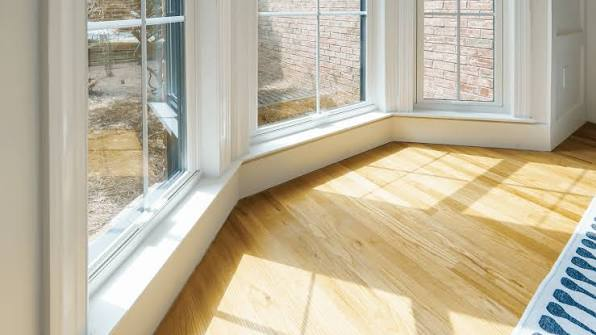
Windows play a major role in the overall performance of a home. While they provide natural light, ventilation, and outdoor views, they can also become one of the biggest sources of energy loss when they are poorly designed or outdated. During colder months, inefficient windows allow indoor heat to escape, while in warmer climates they can allow excessive heat to enter, making heating and cooling systems work harder.
Energy efficient windows are designed to solve these problems by improving insulation, reducing heat transfer, and creating a more comfortable indoor environment. Through advanced glass technology, insulated frames, and improved sealing systems, these windows help homeowners maintain stable indoor temperatures while reducing unnecessary energy consumption.
As modern homes focus more on sustainability, comfort, and smart design, energy efficient windows have become an important investment for improving home performance and creating healthier living spaces.
Energy Efficient Windows and Their Purpose
Energy efficient windows are specially designed window systems that reduce the movement of heat between the inside and outside of a building. Unlike traditional single-pane windows, modern energy-saving windows use advanced materials and construction techniques to improve thermal performance.
A window’s efficiency depends on several components, including the type of glass, number of panes, frame material, gas filling between glass layers, and quality of installation.
The main purpose of energy efficient windows is to create a stronger barrier against outdoor temperature changes. This helps maintain indoor comfort while reducing the workload placed on heating and cooling systems.
A well-designed energy efficient window system can help control:
- Heat loss during cold weather
- Heat gain during hot weather
- Air leakage around window openings
- UV radiation exposure
- Outside noise penetration
Why Windows Are Important for Home Energy Performance
Many homeowners focus on insulation in walls and roofs but overlook the impact of windows on overall energy efficiency. Windows cover a significant portion of exterior walls, making their performance an important factor in maintaining comfortable indoor conditions.
Poor-quality windows can create several problems, including uneven room temperatures, increased electricity costs, and uncomfortable drafts near window areas.
For example, a home with old single-glazed windows may lose heat quickly during winter nights or absorb excessive solar heat during summer afternoons. This forces air conditioners, heaters, or cooling systems to operate for longer periods.
Energy efficient windows help reduce these challenges by improving the thermal barrier between indoor and outdoor environments.
How Energy Efficient Windows Reduce Heat Loss
Heat naturally moves from warmer areas to cooler areas. During winter, indoor heat tries to escape through windows, while during summer, outdoor heat attempts to enter the home.
Energy efficient windows reduce this transfer through multiple design improvements.
Multiple Glass Layers for Better Insulation
Modern energy efficient windows often use double or triple glazing, where two or three layers of glass are separated by insulating spaces.
These layers reduce direct heat movement and improve insulation compared with traditional single-pane glass.
Double-glazed windows are commonly used in residential applications because they provide a balance between performance and cost, while triple-glazed options offer higher insulation for demanding environments.
Low-E Glass Technology
Low-emissivity (Low-E) glass is one of the most important technologies used in energy efficient windows.
This glass includes a thin invisible coating that helps control heat transfer. It allows natural light to enter while reducing unwanted heat movement.
Low-E glass can help:
- Keep indoor heat inside during colder months
- Reduce solar heat entering during hot weather
- Protect furniture and interiors from harmful UV rays
This makes it suitable for homes in different climate conditions.
Insulated Gas-Filled Spaces
The space between glass layers in advanced windows is often filled with insulating gases such as argon or krypton.
These gases provide better insulation than regular air because they reduce heat movement between glass panels.
This technology improves the overall thermal performance of the window without increasing its size significantly.
Energy Efficient Window Frame Materials
The frame surrounding the glass also affects window performance. Even high-quality glass cannot deliver maximum efficiency if the frame allows heat transfer or air leakage.
Different frame materials offer different advantages.
uPVC Window Frames
uPVC frames are popular in residential buildings because they provide good insulation and require minimal maintenance.
Their advantages include:
- Resistance to moisture
- Good thermal performance
- Long service life
- Low maintenance requirements
They are commonly used in modern energy-efficient homes.
Aluminum Frames With Thermal Breaks
Traditional aluminum frames can transfer heat easily, but modern aluminum windows often include thermal break technology.
Thermal breaks create an insulating barrier within the frame, improving energy performance while maintaining the strength and modern appearance of aluminum.
Wood Window Frames
Wood frames naturally provide good insulation and offer a traditional aesthetic appeal.
However, they require more maintenance compared with materials such as uPVC or aluminum.
Benefits of Installing Energy Efficient Windows
Energy efficient windows provide advantages that go beyond reducing heat loss.
Lower Energy Consumption
One of the biggest benefits is improved energy efficiency. By reducing heat transfer, these windows help heating and cooling systems maintain comfortable temperatures more easily.
This can result in:
- Reduced cooling demand
- Lower heating requirements
- Improved HVAC efficiency
- Better energy management
The actual savings depend on climate, window quality, home design, and installation accuracy.
Improved Indoor Comfort
Temperature differences near windows can make rooms uncomfortable. Energy efficient windows help reduce cold areas in winter and excessive heat near windows during summer.
This creates a more balanced indoor environment where temperatures remain more consistent throughout the home.
Better Natural Lighting Without Excess Heat
Modern energy efficient windows allow homeowners to enjoy natural daylight while controlling unwanted solar heat.
This creates brighter interiors without sacrificing comfort.
Proper window selection can reduce dependence on artificial lighting while maintaining better temperature control.
Reduced Outside Noise
Many energy efficient windows also provide improved sound insulation due to their multiple layers and stronger construction.
They can help reduce noise from:
- Traffic
- Outdoor activities
- Construction
- Neighborhood sounds
This makes homes more peaceful, especially in busy urban areas.
Protection of Interior Spaces
Energy efficient windows with Low-E coatings help reduce UV exposure, which can damage:
- Furniture
- Flooring
- Curtains
- Artwork
By controlling ultraviolet radiation, these windows help protect interior materials over time.
Types of Energy Efficient Windows for Modern Homes
Different window styles can be designed with energy-saving features depending on architectural requirements.
Casement Windows
Casement windows open outward and create a strong seal when closed. Their tight locking system helps reduce air leakage.
They are suitable for homeowners who want good ventilation combined with efficient insulation.
Sliding Energy Efficient Windows
Sliding windows are popular because of their simple operation and modern appearance.
When designed with insulated glass and quality seals, they can provide good energy performance.
Tilt and Turn Windows
Tilt and turn windows offer flexible operation by allowing both ventilation and full opening.
They are commonly used in modern residential designs where energy efficiency and convenience are important.
Fixed Energy Efficient Windows
Fixed windows do not open but often provide excellent insulation because they have fewer moving parts.
They are useful for areas where ventilation is not required but natural light and views are important.
Important Factors Before Choosing Energy Efficient Windows
Selecting energy efficient windows requires more than choosing attractive designs. Several performance factors should be considered.
Climate and Location
The best window design depends on local weather conditions.
Homes in colder areas may require windows with stronger insulation to reduce heat loss, while homes in warmer regions may benefit from glass designed to control solar heat gain.
Window Energy Ratings
Performance ratings help homeowners compare different window products.
Important factors include:
- Thermal insulation performance
- Solar heat control
- Air leakage resistance
- Condensation resistance
Understanding these ratings helps in choosing windows that match specific needs.
Professional Installation Quality
Even the most advanced windows may perform poorly if installed incorrectly.
Common installation issues include:
- Gaps around the frame
- Poor sealing
- Incorrect alignment
- Insufficient insulation around openings
Professional installation ensures that the window system works as intended.
Common Mistakes When Upgrading Windows
Window replacement is a major investment, and poor decisions can reduce the expected benefits.
Choosing Only Based on Appearance
A beautiful window design does not always provide excellent energy performance. Homeowners should consider insulation properties alongside appearance.
Ignoring Frame Quality
Many people focus only on glass type while overlooking the frame. A poor-quality frame can reduce the efficiency of the entire window system.
Selecting Incorrect Glass for the Climate
Different climates require different glass technologies. Choosing unsuitable glass may reduce comfort instead of improving it.
Future of Energy Efficient Window Technology
Window technology continues to improve as homeowners demand better performance and sustainable solutions.
Future developments may include:
- Smart glass that changes transparency automatically
- Solar-powered window systems
- Advanced insulation materials
- Improved recyclable window components
- Integration with smart home controls
These innovations will make future windows more intelligent, efficient, and adaptable to changing environmental conditions.
Frequently Asked Questions About Energy Efficient Windows
What are energy efficient windows?
Energy efficient windows are specially designed window systems that reduce heat transfer, improve insulation, and help maintain comfortable indoor temperatures while lowering energy usage.
Do energy efficient windows reduce electricity bills?
Yes, energy efficient windows can help reduce energy consumption by improving insulation and reducing the workload on heating and cooling systems.
Are double-glazed windows better than single-glazed windows?
Yes, double-glazed windows generally provide better insulation because they contain multiple glass layers with an insulating space between them.
Which frame material is best for energy efficient windows?
The best frame depends on the project requirements. uPVC, thermally broken aluminum, and wood frames can all provide good performance when properly designed.
Can energy efficient windows reduce outside noise?
Yes, many energy efficient windows provide improved sound insulation because of their thicker glass, multiple layers, and stronger seals.
Are energy efficient windows worth the investment?
They can provide long-term benefits through improved comfort, better insulation, reduced energy demand, and enhanced property performance.
Do energy efficient windows require special maintenance?
Most modern energy efficient windows require minimal maintenance, although seals, hardware, and frames should be inspected periodically.
Can energy efficient windows be installed in existing homes?
Yes, energy efficient windows can replace older windows in existing homes to improve insulation and overall performance.
Final Thoughts
Energy efficient windows are an important upgrade for homeowners who want better comfort, improved energy management, and stronger overall home performance. By reducing heat loss, controlling solar gain, and improving insulation, these windows create a more stable indoor environment throughout the year.
Choosing the right window requires careful consideration of glass technology, frame materials, climate conditions, and installation quality. With the correct design and professional installation, energy efficient windows can provide lasting benefits while making modern homes more comfortable, efficient, and sustainable.