Introduction to Fitness Rings
Staying active and maintaining healthy habits can be easier when you understand your daily routines. Today, wearable technology gives useful information about movement, sleep, and other health indicators. Among these devices, the fitness ring has become a popular choice for people who prefer a compact alternative to traditional fitness trackers.
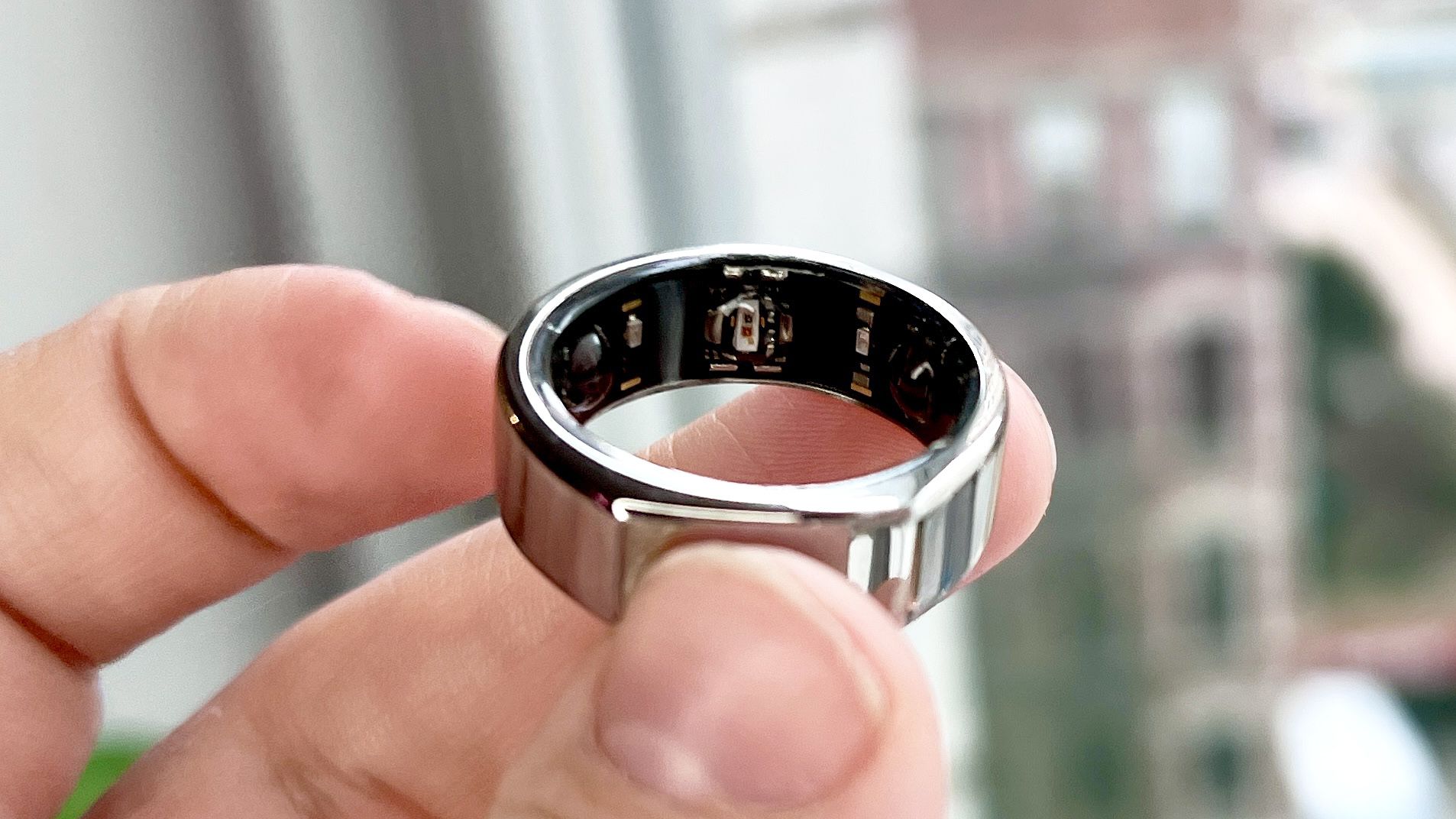
A fitness ring is a small wearable device that fits around your finger and uses sensors to collect activity and wellness data. It may track heart rate, sleep patterns, daily movement, and recovery-related trends, depending on the model. Usually, a smartphone app allows users to review this information.
People who don’t want to wear a bulky smartwatch but still want to know what their habits are can benefit from using a health tracking ring. Its discreet design makes it suitable for everyday use, including during work, exercise, and sleep.
Understanding how these devices work can help you decide whether a fitness ring is the right addition to your wellness routine.
What Is a Fitness Ring?
A fitness ring is a wearable electronic device designed to track selected physical activity and wellness measurements. Although it looks like a regular ring, it contains miniature sensors that collect information while you wear it.
Many models connect to a smartphone through Bluetooth. The companion application processes the collected information and displays summaries, charts, and activity trends.
Depending on its features, a fitness ring may track steps, estimate calories burned, monitor heart rate, and record sleep duration. In some models, recovery and daily readiness are also looked at.
Unlike many smartwatches, fitness rings usually do not include a large display. Instead, they focus on collecting data in the background. This makes them appealing to people who prefer a simple wearable without constant notifications.
However, different products offer different capabilities. Before buying one, check the manufacturer’s specifications to understand which measurements are available and how they are calculated.
How Does a Health Tracking Ring Work?
A health tracking ring collects and analyzes data about your day-to-day activities by utilizing a software and a set of tiny sensors.
Optical sensors can estimate heart rate by detecting changes in the blood flow close to the skin. Movement sensors help identify physical activity, including walking and general movement throughout the day.
Some rings also measure changes in skin temperature or estimate blood oxygen levels. It’s possible that not all device models include these features.
After collecting information, the ring transfers the data to a compatible smartphone. Its application organizes the results into easy-to-understand reports.
For example, you might discover that your activity levels decrease on days when you spend several hours sitting at a desk. You could then make a simple adjustment, such as taking short walking breaks.
It is important to remember that consumer wearables provide estimates rather than perfect measurements. Their outcomes can be influenced by fit, movement, sensor quality, and individual differences.
Key Features of a Modern Fitness Ring
The design, price, and intended use of a fitness ring determine the features it offers. If you are familiar with the main options, you can select the device that is best for you.
Heart Rate Monitoring
The daytime and nighttime heart rates can be estimated by many fitness trackers. With this information, users can observe changes in their resting heart rate and gain a better understanding of how their bodies respond to various activities.
Some models also estimate heart rate variability, which measures changes in the time between heartbeats. These measurements may provide additional context about rest and recovery.
Step and Activity Tracking
Activity tracking is an essential feature for people who want to move more throughout the day. A fitness ring may count steps, estimate active periods, and summarize daily movement.
These insights can help users set realistic goals. Someone who spends most of the day sitting might aim to take more walking breaks or gradually increase their daily step count.
Sleep Monitoring
Numerous rings estimate various stages of sleep and track sleep duration. Additionally, some applications offer summaries of nighttime activity and sleep consistency.
Users can review these patterns to identify habits that may affect their rest. For example, an inconsistent bedtime may coincide with shorter sleep duration.
Since sleep-stage measurements are only estimations, they should not be considered clinical sleep assessments.
Recovery and Readiness Insights
Certain fitness rings combine sleep, activity, and heart-related measurements to estimate recovery or readiness. These scores can offer general guidance about daily routines.
They should not replace personal judgment. If you feel exhausted, a favorable readiness score does not mean you must exercise intensely.
Benefits of Wearing a Health Tracking Ring
One major advantage of a health tracking ring is its compact design. It may be less noticeable than a larger wrist-worn device because it fits on a finger.
Many people also appreciate its ability to collect information throughout the day without requiring constant interaction. Once configured, the ring may automatically record selected measurements and synchronize them with a mobile application.
Another benefit is habit awareness. Tracking daily movement can encourage users to take more steps, while sleep summaries can highlight inconsistent routines.
A fitness ring may also help people recognize patterns over time. For instance, they might notice differences in sleep after late nights or changes in activity during busy workweeks.
These observations can support small, practical improvements. However, the ring itself does not create healthy habits. How users interpret the information and apply it to everyday decisions determines its value.
Fitness Ring vs. Smartwatch
Fitness rings and smartwatches both offer activity-tracking features, but they are designed for different preferences.
A smartwatch generally includes a screen and may offer notifications, calls, GPS, music controls, and detailed workout features. It can be a practical choice for people who want multiple functions in one device.
A fitness ring usually prioritizes a small size and discreet appearance. It might be appealing to people who want to keep an eye on health indicators without having to wear a screen all day.
The best choice depends on your priorities. If you need detailed workout controls or on-device notifications, a smartwatch may be more suitable. If you prefer a minimal design and passive tracking, a fitness ring may be worth considering.
Some people use both devices, but doing so may duplicate certain measurements. Compare their features before investing in multiple wearables.
How to Choose the Right Fitness Ring
Selecting the right fitness ring requires careful consideration of comfort, features, compatibility, and price.
Start with sizing. A ring that is too loose may affect sensor contact, while a ring that is too tight can become uncomfortable. Follow the manufacturer’s sizing instructions and use an official sizing kit if one is available.
Check smartphone compatibility. Make sure the companion application supports your phone and operating system. Some advanced features may only work on certain devices.
Compare battery life. Different rings require charging at different intervals. Battery performance can also change depending on the tracking features you enable.
Review the available measurements. Decide whether you mainly want step tracking, sleep monitoring, heart rate information, or additional wellness insights.
Understand the total cost. Check the initial purchase price and whether the manufacturer charges subscription fees for detailed reports or premium features.
Finally, review the return policy, warranty, privacy settings, and software support. These details can influence your experience long after the purchase.
Tips for Getting Better Results From a Fitness Ring
Understanding your own patterns can be gained by consistently wearing your fitness ring. Follow the manufacturer’s guidance about positioning and fit to support reliable sensor readings.
Keep the device clean and follow its water-resistance instructions. Not every model is suitable for swimming, showering, or every type of workout.
Focus on long-term patterns instead of individual readings. Daily measurements naturally change because of exercise, stress, sleep, travel, and other factors.
Use the information to make realistic improvements. If your activity report shows limited movement, consider taking short walks during breaks. If your sleep schedule varies considerably, try maintaining more consistent bedtimes.
Remember that a fitness ring is a tool, not a substitute for professional medical advice. If you experience concerning symptoms, seek appropriate medical guidance rather than relying on wearable data.
Who Should Use a Health Tracking Ring?
A health tracking ring may suit people who want a convenient way to monitor daily wellness without using a large device.
Office workers may find it useful for understanding how much they move during the workday. Fitness enthusiasts may appreciate activity summaries and recovery-related trends. People interested in improving their sleep routines may benefit from reviewing nighttime data.
It can also appeal to users who prefer a discreet accessory or find wrist-worn devices uncomfortable.
However, not every activity calls for a ring. People who perform heavy weightlifting, contact sports, or activities involving machinery should consider the risk of finger injuries and follow appropriate safety guidance. Removing the ring during certain activities may be advisable.
The most suitable wearable is one that fits your routine, feels comfortable, and provides information you genuinely find useful.
How to Avoid Common Errors When Buying a Fitness Ring
One mistake is choosing a product based entirely on its appearance. Design matters, but sensor performance, application quality, and comfort are also important.
Another mistake is assuming that every health tracking ring offers the same features. Some devices provide basic activity measurements, while others include more advanced wellness estimates.
Buyers should also avoid expecting exact calorie counts or medically accurate sleep-stage results. These measurements can be helpful for observing general trends, but they have limitations.
Ignoring subscription terms can lead to unexpected expenses. Review which features are included with the initial purchase and whether essential reports remain available without additional payments.
Finally, consider data privacy. Read the application’s privacy policy and check how your information is stored and shared.
Frequently Asked Questions
1. What does a fitness ring track?
Depending on the model, it may track steps, heart rate, sleep duration, daily activity, and other wellness measurements.
2. Is a health tracking ring suitable for everyday use?
Many models are designed for regular wear. Comfort, durability, sizing, and water resistance vary between products.
3. Can a fitness ring track sleep automatically?
Many fitness rings automatically record sleep when worn correctly, although the available measurements depend on the device.
4. Is a fitness ring better than a smartwatch?
Neither is universally better. A ring offers a compact design, while a smartwatch usually provides a screen and more interactive features.
5. Do fitness rings require monthly subscriptions?
Some charge for premium insights, while others provide core tracking with no recurring fees. Check the manufacturer’s current terms before purchasing.
6. Can a fitness ring replace medical equipment?
No. Most consumer fitness rings are designed for general wellness tracking and should not replace clinical testing or professional medical advice.
Conclusion
A fitness ring offers a convenient way to explore daily activity, sleep habits, and selected wellness measurements through a compact wearable device. Its discreet design and automatic tracking features make it appealing to people who want to understand their routines without using a traditional smartwatch.
Choosing the right health tracking ring involves comparing comfort, sensor capabilities, battery life, smartphone compatibility, privacy, and long-term costs. It is also important to understand that wearable measurements are estimates rather than definitive medical results.
When used thoughtfully, a fitness ring can help you identify patterns, set realistic activity goals, and make informed decisions about your everyday habits. The best device is one that fits comfortably, meets your needs, and supports a healthier lifestyle over time.