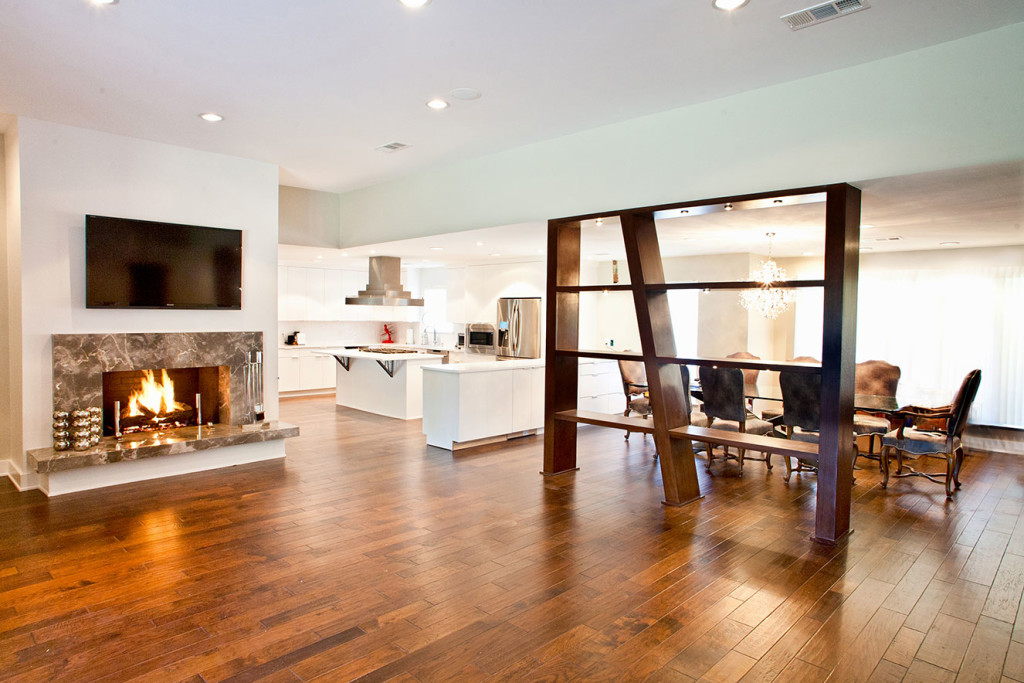
Old homes carry a unique charm that many new houses often lack. From classic architectural details to solid construction, these properties have character and history. However, older homes can also come with outdated layouts, worn-out materials, and inefficient systems that no longer meet modern living standards. This is where home improvement becomes essential.
For clients who own older homes, transforming them into modern masterpieces is an exciting opportunity. With the right upgrades, an outdated house can become stylish, functional, energy-efficient, and far more valuable. Whether the goal is to improve comfort, boost resale value, or create a dream home, strategic home improvement ideas can make a huge difference.
In this guide, we will explore the best home improvement ideas that help clients modernize old homes while preserving their original beauty.
Start with a Full Home Assessment
Before beginning any renovation, it is important to evaluate the home’s current condition. Many older homes hide structural issues that need immediate attention.
A professional home inspection can help identify problems like:
Roof damage
Outdated electrical wiring
Plumbing leaks
Foundation cracks
Poor insulation
Mold or moisture damage
Fixing these issues first creates a solid foundation for all future improvements. Clients should focus on safety and structural integrity before moving on to cosmetic upgrades.
Open Up the Floor Plan
One of the biggest differences between older homes and modern homes is layout design. Older houses often have smaller rooms separated by walls, while modern homes favor open-concept living.
Removing non-load-bearing walls can instantly make a home feel larger and brighter. Open floor plans create better flow between spaces like the kitchen, dining room, and living room.
Benefits of an open layout include:
More natural light
Improved social interaction
Better traffic flow
A larger visual appearance
Higher resale value
Clients looking for a modern transformation should consider opening up key living spaces.
Upgrade the Kitchen
The kitchen is often called the heart of the home, and updating it is one of the most impactful improvements clients can make.
Modern kitchen upgrades include:
Installing quartz or granite countertops
Replacing old cabinets with sleek custom designs
Adding a kitchen island
Upgrading to energy-efficient appliances
Installing smart lighting
Using modern backsplashes
Choosing neutral color palettes
For older homes, kitchen renovations can dramatically improve both appearance and functionality. Features like soft-close cabinets, pull-out drawers, and hidden storage solutions add convenience and luxury.
A modern kitchen can completely redefine an outdated home.
Remodel the Bathroom
Bathrooms in older homes often feel cramped and outdated. Remodeling them can create a spa-like experience while improving daily comfort.
Popular bathroom upgrades include:
Walk-in showers with glass doors
Freestanding bathtubs
Floating vanities
LED mirrors
Water-saving fixtures
Heated flooring
Modern tiles
Smart toilets
Clients can turn old bathrooms into stylish and relaxing spaces by focusing on clean lines, simple colors, and practical layouts.
Bathroom remodeling also adds strong resale value.
Improve Lighting Throughout the Home
Lighting plays a major role in making an old home feel modern. Many older homes rely on dim lighting or outdated fixtures.
A smart lighting upgrade can include:
Recessed ceiling lights
Pendant lighting
Under-cabinet lights
Large windows
Skylights
LED bulbs
Motion sensor lighting
Layered lighting improves both functionality and ambiance. Bright and natural-looking spaces instantly feel newer and more inviting.
Clients should focus on maximizing natural light whenever possible.
Replace Old Flooring
Flooring can dramatically affect the overall appearance of a home. Old carpets, scratched wood, or worn vinyl can make a house feel dated.
Modern flooring options include:
Hardwood floors
Luxury vinyl plank
Engineered wood
Porcelain tile
Polished concrete
Large-format tiles
Many clients choose consistent flooring throughout the house to create a seamless and spacious look.
Hardwood remains a top choice because of its timeless style and durability.
Modernize the Exterior
The exterior is the first thing people notice. Improving curb appeal can instantly make an old home look fresh and modern.
Exterior home improvement ideas include:
Painting the exterior
Replacing old siding
Installing modern windows
Updating the front door
Adding outdoor lighting
Building a new porch
Improving landscaping
Installing a stylish garage door
Simple updates like black-framed windows and minimalist landscaping can give old homes a contemporary look.
A beautiful exterior creates a strong first impression.
Install Smart Home Technology
Modern homes are becoming smarter, and clients can easily integrate technology into older properties.
Popular smart upgrades include:
Smart thermostats
Video doorbells
Security cameras
Smart locks
Voice-controlled lighting
Automated blinds
Smart smoke detectors
These improvements increase convenience, safety, and energy efficiency.
Smart home features are highly attractive to modern buyers and can make an old house feel completely updated.
Upgrade Windows and Doors
Old windows and doors often cause energy loss, drafts, and poor insulation.
Replacing them offers several benefits:
Better energy efficiency
Lower utility bills
Improved security
Noise reduction
Enhanced appearance
Modern window designs like large panes and slim frames also increase natural light and improve aesthetics.
Energy-efficient windows are a smart investment for any older home.
Add Fresh Paint
Painting is one of the easiest and most affordable ways to modernize an old house.
Modern paint trends include:
White walls
Warm neutrals
Soft gray
Beige tones
Earth-inspired colors
Matte finishes
Fresh paint brightens rooms, covers imperfections, and creates a clean atmosphere.
Clients should also consider painting trim, doors, and ceilings for a complete refresh.
Focus on Storage Solutions
Older homes often lack enough storage for modern lifestyles.
Adding smart storage can improve organization and reduce clutter.
Ideas include:
Built-in shelves
Custom closets
Hidden cabinets
Under-stair storage
Wall-mounted storage
Kitchen pantry upgrades
Storage benches
Modern homes prioritize efficiency, and better storage makes living spaces more practical.
Upgrade Heating and Cooling Systems
Old HVAC systems can be inefficient and expensive to maintain.
Clients should consider:
Installing central air conditioning
Upgrading furnaces
Adding smart thermostats
Improving ductwork
Installing ceiling fans
Adding insulation
Energy-efficient systems improve comfort and reduce monthly expenses.
Modern climate control systems are especially important for year-round comfort.
Restore Original Features
Not every part of an old home should be replaced. In many cases, restoring original details can create a perfect blend of old and new.
Features worth preserving include:
Crown molding
Wood beams
Brick walls
Hardwood floors
Fireplaces
Stained glass
Vintage doors
Combining historic charm with modern upgrades creates a truly unique masterpiece.
This balance often increases both emotional and financial value.
Improve Outdoor Living Spaces
Modern homeowners value outdoor spaces just as much as indoor ones.
Clients can enhance old homes by adding:
Decks
Patios
Outdoor kitchens
Fire pits
Pergolas
Seating areas
Garden pathways
Outdoor living areas expand usable space and improve entertainment options.
A well-designed backyard can feel like an extension of the home.
Upgrade Plumbing Systems
Many old homes have outdated plumbing that may cause leaks, low water pressure, or water damage.
Plumbing improvements can include:
Replacing old pipes
Installing tankless water heaters
Adding water filtration systems
Upgrading fixtures
Improving drainage
Modern plumbing increases reliability and efficiency while preventing future repair costs.
Improve Insulation
Older homes often lack proper insulation, leading to energy waste and discomfort.
Upgrading insulation in:
Walls
Attics
Floors
Basements
can significantly improve energy efficiency.
Better insulation keeps homes cooler in summer and warmer in winter, reducing energy costs.
This is one of the smartest hidden improvements clients can make.
Create Multi-Functional Spaces
Modern living often requires flexible spaces. Old homes can be redesigned to support multiple functions.
Ideas include:
Home office plus guest room
Basement gym
Laundry and storage combo
Playroom and study area
Dining room with workspace
Multi-functional rooms improve practicality and maximize every square foot.
This approach is especially useful for growing families.
Upgrade Staircases
Staircases are often overlooked but can become major design features.
Modern staircase improvements include:
Glass railings
Wood refinishing
Metal balusters
Floating stair designs
Under-stair storage
Improved lighting
A stylish staircase can become a centerpiece of the home.
Use Modern Minimalist Design
Minimalism works well when updating old homes because it creates a clean and timeless appearance.
Key principles include:
Simple furniture
Neutral colors
Clean lines
Less clutter
Functional decor
Open spaces
Minimalist design makes rooms feel larger and more elegant.
It also allows original architectural details to stand out.
Improve Basement Spaces
Many older homes have unfinished basements that can be transformed into useful living areas.
Ideas include:
Home theater
Game room
Guest suite
Home gym
Office space
Rental unit
Basement finishing adds square footage and increases property value.
It is one of the best ways to maximize space.
Add Energy-Efficient Features
Sustainability is an important part of modern home improvement.
Clients can add:
Solar panels
Energy-efficient appliances
LED lighting
Water-saving fixtures
Insulated doors
Efficient HVAC systems
Sustainable upgrades reduce environmental impact and save money over time.
They also make homes more attractive to eco-conscious buyers.
Final Thoughts
Turning an old home into a modern masterpiece requires vision, planning, and smart investment. While older homes may come with challenges, they also offer incredible opportunities for transformation. By combining structural upgrades, modern design trends, smart technology, and energy-efficient improvements, clients can create homes that are beautiful, functional, and future-ready.
The key is to focus on both style and practicality. Every improvement should contribute to comfort, efficiency, and long-term value. Whether it is opening up the layout, remodeling kitchens and bathrooms, upgrading systems, or enhancing curb appeal, each change brings the home closer to modern living standards.
For clients ready to invest in their property, home improvement is more than renovation. It is a chance to breathe new life into old spaces and create a home that reflects modern tastes while preserving timeless character. With the right approach, any old house can become a masterpiece.