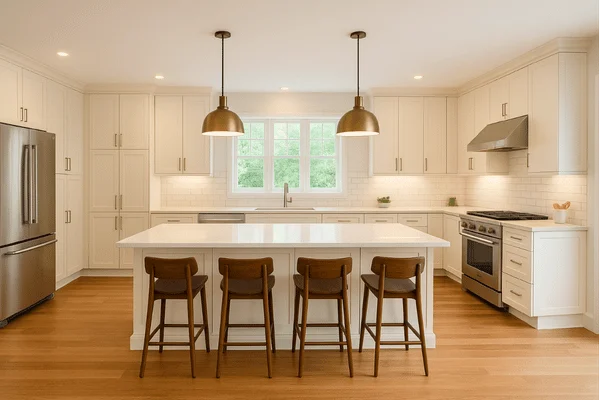
Home improvement projects often bring excitement, fresh ideas, and the opportunity to transform a living space into something more comfortable and attractive. However, many clients hesitate to begin renovations because of budget concerns. The good news is that improving a home does not always require spending large amounts of money. With proper planning, smart decisions, and practical strategies, homeowners can make meaningful upgrades while staying within a limited renovation budget.
A limited budget does not mean sacrificing quality or style. In many cases, smaller improvements can have a significant impact on both functionality and appearance. By focusing on priorities and making informed choices, clients can create better living spaces without unnecessary expenses.
This guide explores practical home improvement tips that can help clients maximize results while minimizing costs.
Start with a Clear Renovation Plan
The foundation of every successful home improvement project is a clear plan. Many homeowners make the mistake of starting renovations without fully understanding their needs, goals, or financial limitations. This often leads to overspending and incomplete projects.
Before making any changes, clients should assess their homes and identify the areas that need the most attention. Is the kitchen outdated? Does the bathroom need repairs? Are there structural issues that should be addressed first?
Creating a list of priorities helps homeowners stay focused on essential improvements rather than unnecessary upgrades. A detailed plan also provides a realistic budget, reducing the chances of unexpected costs.
It is helpful to divide renovations into categories such as urgent repairs, cosmetic improvements, and long-term upgrades. This allows clients to tackle projects step by step.
Set a Realistic Budget
One of the most important parts of affordable home improvement is setting a realistic budget. Many homeowners underestimate costs, which can cause financial stress later.
Clients should calculate how much they can comfortably spend and leave room for unexpected expenses. A common recommendation is to reserve at least 10 to 20 percent of the budget for surprises such as hidden plumbing issues, electrical problems, or material price increases.
A budget should include:
Material costs
Labor charges
Permit fees
Tools and equipment
Emergency expenses
By knowing the financial limits from the beginning, clients can make better decisions and avoid overspending.
Focus on High-Impact, Low-Cost Changes
Not all renovations need to be large or expensive. Some of the most effective improvements are surprisingly affordable.
Painting walls is one of the easiest and cheapest ways to refresh a home. A fresh coat of paint can completely transform a room, making it look cleaner, brighter, and more modern.
Updating fixtures such as cabinet handles, faucets, and light fittings can also improve the overall appearance without requiring major construction.
Other affordable upgrades include:
Replacing old curtains
Adding decorative mirrors
Installing floating shelves
Updating door handles
Changing light switches
These small details often make a big difference in the look and feel of a home.
Prioritize Essential Repairs First
When working with a limited budget, clients should focus on repairs before cosmetic improvements. Ignoring structural or maintenance issues can lead to bigger and more expensive problems later.
Essential repairs may include:
Fixing roof leaks
Repairing plumbing problems
Updating faulty electrical systems
Sealing windows and doors
Repairing damaged flooring
By taking care of these problems first, homeowners protect their investment and create a safer environment.
For example, fixing a leaking roof before repainting ceilings prevents future water damage and saves money in the long run.
Reuse and Repurpose Existing Materials
A smart way to save money during home improvement is to reuse what is already available. Many homeowners replace items that could be restored or repurposed.
Old cabinets can be repainted instead of replaced. Wooden furniture can be refinished for a fresh appearance. Existing tiles can sometimes be cleaned and resealed instead of completely removed.
Repurposing materials not only reduces costs but also supports environmentally friendly renovation practices.
Examples include:
Turning old wood into shelves
Reusing bricks for garden paths
Refinishing doors instead of buying new ones
Upcycling furniture for different rooms
This approach adds creativity while keeping spending under control.
Shop Smart for Materials
Material costs can quickly consume a renovation budget, so shopping wisely is essential.
Clients should compare prices from different suppliers and look for discounts, sales, or clearance items. Buying materials during seasonal promotions can significantly reduce costs.
Many home improvement stores offer leftover materials at discounted prices. These can be excellent options for smaller projects.
Some money-saving shopping tips include:
Buying in bulk when possible
Checking second-hand stores
Exploring local salvage yards
Looking for online marketplace deals
Comparing brands for similar quality
Choosing cost-effective alternatives can help clients stay within budget without sacrificing durability.
Consider DIY for Simple Tasks
Hiring professionals for every task can become expensive. Clients with basic skills can save money by handling simple jobs themselves.
DIY tasks may include:
Painting walls
Installing shelves
Assembling furniture
Landscaping
Removing old wallpaper
However, homeowners should know their limits. Complex tasks such as electrical work, plumbing, or structural changes should always be left to qualified professionals.
A balanced approach between DIY and professional work can reduce labor costs while ensuring safety.
Upgrade Lighting for Better Results
Lighting plays a major role in home improvement and can dramatically affect how a space looks and feels.
Many older homes have outdated lighting that makes rooms appear smaller or darker. Replacing old fixtures with energy-efficient LED lights can improve brightness while lowering electricity bills.
Practical lighting upgrades include:
Installing brighter ceiling lights
Adding under-cabinet lighting in kitchens
Using floor lamps for living rooms
Placing mirrors to reflect natural light
Using warm lighting for cozy spaces
Good lighting creates the impression of a larger and more welcoming home.
Improve Energy Efficiency
Energy-efficient upgrades are a smart investment for budget-conscious homeowners. While some improvements may require an upfront cost, they often save money over time.
Simple energy-saving upgrades include:
Installing weather stripping
Adding insulation
Replacing old windows
Using smart thermostats
Switching to LED bulbs
These improvements lower utility bills and increase comfort.
For clients planning to stay in their homes long-term, energy efficiency can provide significant financial benefits.
Refresh the Kitchen Without Full Remodeling
Kitchen renovations are often expensive, but there are budget-friendly ways to modernize the space.
Instead of replacing cabinets, clients can paint them or change the hardware. Replacing countertops with affordable materials such as laminate can create a fresh look.
Adding a stylish backsplash can also improve the kitchen’s appearance without a full remodel.
Affordable kitchen updates include:
Painting cabinets
Changing cabinet handles
Installing open shelving
Updating faucets
Replacing lighting fixtures
These simple upgrades can make an old kitchen look new.
Update Bathrooms with Cost-Friendly Solutions
Bathrooms are another important area where small improvements can make a big difference.
Replacing outdated fixtures, regrouting tiles, and installing a modern mirror can instantly improve the space.
Budget bathroom ideas include:
Installing new showerheads
Replacing old sinks
Painting walls with moisture-resistant paint
Adding storage shelves
Changing towel racks
A clean and updated bathroom improves both comfort and home value.
Boost Curb Appeal on a Budget
Exterior improvements are just as important as interior upgrades. The outside of a home creates the first impression for visitors and potential buyers.
Simple and affordable curb appeal improvements include:
Painting the front door
Cleaning pathways
Planting flowers
Trimming bushes
Adding outdoor lighting
Repairing fences
A neat and attractive exterior can greatly improve a home’s overall appearance.
Even small landscaping efforts can create a welcoming atmosphere.
Work in Phases
For clients with tight budgets, completing renovations all at once may not be realistic. Breaking projects into phases allows homeowners to spread out costs over time.
For example:
Phase one could focus on repairs
Phase two could address kitchens and bathrooms
Phase three could improve outdoor spaces
This approach reduces financial pressure and makes the renovation process easier to manage.
Working in phases also gives homeowners time to reassess priorities as their needs change.
Avoid Trendy Choices
While trendy designs may look appealing, they often go out of style quickly. Clients on a budget should focus on timeless improvements that remain valuable over the years.
Neutral paint colors, classic flooring, and simple fixtures are safer investments.
Timeless choices:
White or beige walls
Wood-style flooring
Simple cabinet designs
Classic lighting fixtures
Minimalist décor
These options appeal to a wider audience and provide better long-term value.
Hire the Right Professionals
Choosing the right contractor can make a big difference in staying within budget. A skilled professional can complete work efficiently and help avoid costly mistakes.
Clients should compare quotes, check reviews, and ask for references before hiring.
Important questions to ask include:
How much experience do you have?
Can you provide a written estimate?
Are there hidden costs?
What is the project timeline?
Hiring reliable professionals may cost more upfront but often saves money through quality work.
Keep Track of Spending
Budget management should continue throughout the renovation process. Clients should monitor every expense to ensure they stay within their financial plan.
Keeping receipts, invoices, and a spending log can help track progress.
This makes it easier to identify areas where costs are increasing and adjust plans if necessary.
Regular budget reviews prevent surprises and improve financial control.
Final Thoughts
Home improvement on a limited budget is possible with the right strategy. Clients do not need massive investments to create beautiful, functional, and modern living spaces. By planning carefully, focusing on priorities, and making smart financial choices, homeowners can achieve impressive results without overspending.
Practical improvements such as painting, lighting upgrades, small repairs, and energy-efficient changes can transform a home while staying affordable. Reusing materials, shopping smart, and completing projects in phases further help reduce costs.
The key to successful budget-friendly renovation is understanding that small steps can lead to big improvements. With patience, creativity, and careful decision-making, clients can improve their homes and enjoy greater comfort, value, and satisfaction for years to come.