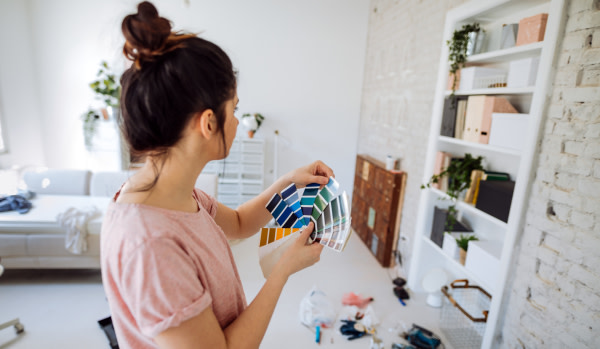
A home should be more than just a place to sleep—it should make everyday life easier, more comfortable, and more enjoyable. While many homeowners think of renovations as expensive projects meant to increase resale value, some of the most rewarding improvements are those that enhance daily living. Whether you own a large family house or a small apartment, thoughtful upgrades can improve convenience, organization, energy efficiency, and overall quality of life.
The best part is that not every home improvement requires a massive budget or months of construction. Small changes often have a surprisingly big impact. From better lighting to smarter storage and energy-saving features, these upgrades create a home that works for your lifestyle instead of against it.
Upgrade Your Lighting
Lighting affects almost every aspect of a home. It influences mood, productivity, safety, and even how spacious a room feels. Replacing outdated fixtures with modern LED lighting is one of the easiest ways to improve both appearance and functionality.
Layered lighting works especially well. Instead of relying on a single ceiling fixture, combine ambient, task, and accent lighting throughout your rooms. Under-cabinet lights in the kitchen make meal preparation easier, while reading lamps in the living room create a cozy atmosphere.
Installing dimmer switches adds flexibility, allowing you to adjust brightness depending on the time of day or activity. Warm lighting creates a relaxing environment in bedrooms, while brighter white lighting is ideal for kitchens and workspaces.
Improve Storage Throughout the Home
Clutter can make even a beautiful house feel stressful. One of the most practical upgrades is adding better storage solutions that keep everyday items organized and easy to access.
Consider installing:
- Built-in shelves
- Closet organizers
- Under-bed storage drawers
- Entryway benches with hidden compartments
- Floating shelves
- Pantry organizers
Making use of vertical wall space also frees up valuable floor area, especially in smaller homes.
A well-organized home saves time because everything has a designated place, reducing the daily frustration of searching for misplaced items.
Refresh the Kitchen
The kitchen is often considered the heart of the home. Fortunately, it doesn’t always require a full remodel to become more functional.
Simple upgrades include replacing cabinet hardware, installing a modern backsplash, updating faucets, or painting cabinets. New countertops can dramatically improve both durability and appearance if your budget allows.
Adding pull-out shelves inside lower cabinets makes it easier to reach cookware without bending or digging through clutter. Drawer dividers help keep utensils organized, while a dedicated recycling station encourages better waste management.
Small improvements can completely change how enjoyable cooking and entertaining become.
Modernize the Bathroom
Bathrooms are among the most frequently used spaces in any home. Functional improvements often make a greater difference than cosmetic changes.
Installing a walk-in shower, replacing old fixtures, adding better ventilation, or upgrading the vanity can improve both comfort and efficiency.
Water-saving showerheads and faucets reduce utility bills while conserving water. Heated towel racks add a touch of luxury that many homeowners quickly come to appreciate during colder months.
Improved storage, such as medicine cabinets with built-in shelves or floating vanities, helps keep countertops clear and organized.
Add Smart Home Features
Technology has made home management easier than ever. Smart devices provide convenience, improve security, and often reduce energy consumption.
Popular smart home upgrades include:
- Smart thermostats
- Smart doorbells
- Security cameras
- Smart locks
- Motion sensors
- Smart lighting systems
- Voice-controlled assistants
These devices allow homeowners to monitor and control many aspects of the home remotely using a smartphone or voice commands.
For example, adjusting the thermostat before arriving home ensures a comfortable temperature without wasting energy throughout the day.
Improve Energy Efficiency
Energy-efficient upgrades benefit both the environment and your monthly budget.
Start by sealing air leaks around doors and windows. Even small gaps can significantly increase heating and cooling costs.
Other worthwhile improvements include:
- Better attic insulation
- Double- or triple-pane windows
- Energy-efficient appliances
- LED lighting
- Ceiling fans
- High-efficiency HVAC systems
Over time, these upgrades often pay for themselves through lower utility bills while making indoor temperatures more comfortable year-round.
Create Comfortable Outdoor Living Areas
Outdoor spaces have become extensions of the home. Even a modest backyard, patio, or balcony can become a relaxing retreat with a few thoughtful upgrades.
Comfortable seating, outdoor rugs, weather-resistant furniture, and shade structures create inviting spaces for relaxing or entertaining guests.
Adding solar-powered pathway lights improves both safety and ambiance during the evening. Planters filled with flowers or herbs introduce color and fragrance while requiring relatively little maintenance.
A simple fire pit or portable grill can encourage families to spend more quality time outdoors.
Replace Worn Flooring
Floors experience constant wear, making them one of the most noticeable parts of a home.
Replacing old carpet with hardwood, luxury vinyl plank, or laminate flooring improves durability while making cleaning easier.
Modern flooring materials are designed to resist scratches, moisture, and everyday wear, making them excellent choices for busy households with children or pets.
Area rugs can still provide warmth and comfort while allowing the flooring underneath to remain visible.
Upgrade Interior Doors
Interior doors are often overlooked during renovations, yet they have a significant impact on a home’s overall appearance.
Replacing hollow-core doors with solid-core versions improves sound insulation and creates a more premium feel throughout the house.
Updating door handles, hinges, and trim provides a fresh look without requiring major construction.
Pocket doors or sliding barn doors are also excellent space-saving options in certain layouts.
Improve Indoor Air Quality
Clean indoor air contributes directly to healthier living.
Installing better HVAC filters, air purifiers, and proper ventilation reduces dust, allergens, and airborne pollutants.
Houseplants also help create a fresher indoor environment while adding natural beauty to living spaces.
Maintaining proper humidity levels with humidifiers or dehumidifiers improves comfort during different seasons and helps protect furniture and flooring.
Design a Functional Home Office
With remote and hybrid work becoming increasingly common, a dedicated workspace has become an essential feature in many homes.
A productive home office doesn’t require an entire room. Even a quiet corner can become highly functional with:
- A comfortable ergonomic chair
- Proper desk lighting
- Cable management
- Adjustable monitor stands
- Storage cabinets
- Sound-absorbing décor
Good organization reduces distractions and creates a more professional environment for virtual meetings.
Upgrade Laundry Spaces
Laundry rooms are often purely functional, but a few improvements can make household chores much easier.
Installing cabinets above the washer and dryer provides additional storage for detergents and cleaning supplies.
Adding folding counters, hanging rods, and pull-out laundry baskets creates a more efficient workflow.
Good lighting and durable flooring also improve the overall experience in this frequently used area.
Enhance Home Security
Feeling safe at home is invaluable.
Modern security upgrades include stronger exterior doors, reinforced locks, outdoor lighting, security cameras, and smart alarm systems.
Motion-activated lights discourage unwanted visitors while making it safer to enter your home after dark.
Simple improvements such as trimming overgrown shrubs also increase visibility around entry points.
Make Your Home More Accessible
Accessibility upgrades benefit everyone, not just older adults.
Lever-style door handles are easier to operate than traditional knobs. Wider walkways reduce congestion, while non-slip flooring decreases fall risks.
Installing grab bars in bathrooms, better stair lighting, and zero-threshold showers makes homes safer and more comfortable for people of all ages.
Planning for future accessibility can also increase long-term home value.
Reduce Noise
A quieter home creates a more peaceful atmosphere.
Adding weatherstripping around doors, thicker curtains, area rugs, insulated walls, and solid-core doors helps reduce unwanted noise from outside and between rooms.
Acoustic panels can also improve sound quality in home offices, entertainment rooms, or music spaces.
Even simple additions like fabric furniture and bookshelves absorb sound and reduce echoes.
Add Personal Style
Practical upgrades matter, but your home should also reflect your personality.
Fresh paint, artwork, decorative pillows, updated curtains, and indoor plants make spaces feel welcoming and unique.
Choosing colors and materials that match your lifestyle creates a home where you genuinely enjoy spending time.
Instead of following every design trend, focus on timeless improvements that continue to bring satisfaction for years.
Focus on Maintenance Before Major Renovations
Sometimes the best home improvement isn’t flashy at all.Repairing roof leaks, replacing aging plumbing fixtures, servicing heating and cooling systems, cleaning gutters, and maintaining exterior paint all protect your investment and prevent expensive repairs later.Routine maintenance ensures that larger upgrades continue performing well for many years.
Final Thoughts
Home upgrades don’t have to involve massive remodeling projects or enormous budgets. The most valuable improvements are often the ones that make daily routines smoother, safer, and more enjoyable. Better lighting, smarter storage, energy-efficient features, comfortable outdoor spaces, and modern technology all contribute to a home that supports your lifestyle.
Rather than trying to renovate everything at once, prioritize the upgrades that solve your biggest everyday frustrations. Over time, these thoughtful improvements create a home that is not only more attractive but also significantly more functional. Investing in comfort, efficiency, and practicality ensures that every day spent at home becomes a little easier and a lot more enjoyable.