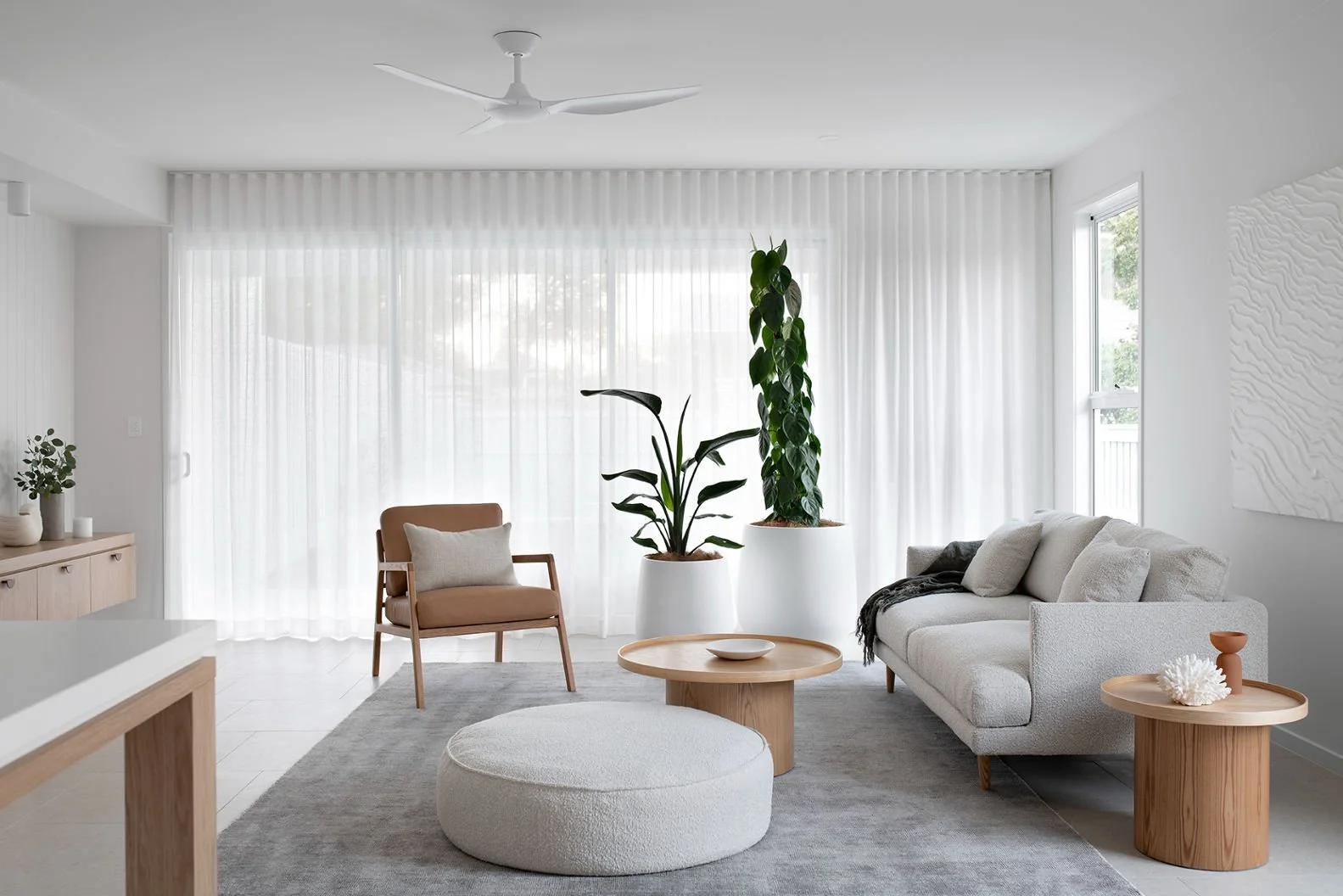
Minimalism is more than just a design trend—it’s a lifestyle choice that promotes simplicity, clarity, and intentional living. In a world filled with clutter, distractions, and constant noise, a minimalist home offers a refreshing sense of calm and balance. The beauty of minimalist home improvement lies in its ability to transform your space without overwhelming it. Instead of adding more, it focuses on refining what you already have.
If you’re looking to create a clean, modern, and visually appealing home, minimalist home improvement is the perfect approach. This guide explores practical, creative, and budget-friendly ideas to help you achieve a clutter-free and elegant living environment.
Understanding Minimalist Design
Before diving into improvement ideas, it’s important to understand what minimalism truly means. Minimalist design is centered around the idea of “less is more.” It prioritizes functionality, simplicity, and intentional choices. Every item in your home should serve a purpose or bring value to your life.
Key principles include:
- Clean lines and simple forms
- Neutral color palettes
- Decluttered spaces
- Functional furniture
- Quality over quantity
Minimalism does not mean living in an empty or boring space. Instead, it means creating a space that feels open, peaceful, and purposeful.
Declutter Your Space First
The foundation of any minimalist home improvement project is decluttering. Before adding new elements, remove anything that no longer serves a purpose.
Start with one room at a time. Sort your belongings into categories: keep, donate, recycle, or discard. Ask yourself whether each item adds value to your life. If not, it’s time to let it go.
A clutter-free space instantly feels larger, cleaner, and more organized. It also makes it easier to maintain your home in the long run.
Embrace Neutral Color Palettes
Color plays a crucial role in minimalist design. Neutral tones such as white, beige, gray, and soft pastels create a calm and cohesive look.
Painting your walls in light, neutral shades can make your home feel more spacious and airy. These colors reflect natural light, enhancing brightness and openness.
You can still add subtle contrast by incorporating darker tones in furniture or decor. The goal is to maintain balance without overwhelming the space.
Upgrade Lighting for a Brighter Space
Lighting can dramatically transform the look and feel of your home. Minimalist spaces rely heavily on natural and soft lighting.
Maximize natural light by:
- Using sheer curtains or blinds
- Keeping windows clean and unobstructed
- Choosing light-colored window treatments
For artificial lighting, opt for simple and modern fixtures. Pendant lights, recessed lighting, and sleek floor lamps work well in minimalist interiors.
Warm white lighting creates a cozy and inviting atmosphere, while cool white lighting gives a more modern and crisp look.
Choose Functional Furniture
Minimalist homes focus on functionality. Each piece of furniture should serve a clear purpose.
Look for:
- Multi-functional furniture (e.g., storage beds, foldable tables)
- Simple designs with clean lines
- Neutral or muted colors
Avoid bulky or overly decorative furniture. Instead, choose pieces that blend seamlessly with the overall design.
Less furniture means more open space, which enhances the minimalist aesthetic.
Optimize Storage Solutions
Hidden storage is essential in maintaining a clean and clutter-free home.
Consider:
- Built-in shelves and cabinets
- Under-bed storage
- Wall-mounted storage units
- Storage baskets and boxes
The goal is to keep everyday items accessible but out of sight. Organized storage helps maintain the simplicity and cleanliness of your space.
Simplify Your Decor
Minimalist decor is all about intentional choices. Instead of filling your home with decorations, focus on a few meaningful pieces.
Choose:
- One or two statement artworks
- Simple vases or sculptures
- Indoor plants for a natural touch
Avoid overcrowding surfaces. Empty space is just as important as the objects you display.
Remember, minimalism values quality over quantity.
Incorporate Natural Elements
Adding natural elements can bring warmth and life to a minimalist home.
Consider using:
- Wooden furniture or accents
- Stone or ceramic decor
- Indoor plants
Plants not only enhance aesthetics but also improve air quality and create a calming environment.
Choose low-maintenance plants if you’re new to indoor gardening.
Focus on Clean Lines and Open Spaces
Minimalist design emphasizes clean lines and uncluttered layouts.
Avoid excessive patterns or intricate details. Instead, opt for:
- Straight edges and geometric shapes
- Open floor plans
- Simple architectural features
Rearranging your furniture to create more open space can significantly improve the flow of your home.
Upgrade Flooring for a Seamless Look
Flooring plays a major role in achieving a minimalist aesthetic.
Choose materials that are:
- Simple and durable
- Easy to clean
- Neutral in color
Options like hardwood, laminate, or polished concrete work well in minimalist homes.
Avoid overly patterned carpets or rugs. If you use rugs, keep them simple and subtle.
Keep Your Kitchen Minimal
The kitchen is often one of the most cluttered areas in a home. A minimalist approach can make it more functional and visually appealing.
Tips include:
- Keep countertops clear
- Store appliances out of sight
- Use matching containers for storage
- Choose simple cabinetry designs
A clean and organized kitchen not only looks better but also makes cooking more enjoyable.
Transform Your Bathroom into a Minimalist Retreat
A minimalist bathroom can feel like a spa-like retreat.
Focus on:
- Simple fixtures and fittings
- Neutral tiles and colors
- Organized storage for toiletries
Use minimal accessories and keep surfaces clean. Adding a few plants or candles can enhance the relaxing atmosphere.
Create a Calm Bedroom Environment
Your bedroom should be a place of rest and relaxation.
Minimalist bedroom ideas include:
- A simple bed frame with neutral bedding
- Limited furniture
- Soft lighting
- Minimal decor
Keep your nightstand clutter-free and only include essentials. A calm and clean bedroom promotes better sleep and well-being.
Use Mirrors to Enhance Space
Mirrors are a great tool in minimalist design. They reflect light and create the illusion of a larger space.
Place mirrors strategically to:
- Brighten dark areas
- Make small rooms feel bigger
- Add depth to your interiors
Choose simple frames or frameless designs to maintain a clean look.
Maintain Consistency Throughout Your Home
Consistency is key in minimalist design. Ensure that colors, materials, and styles are cohesive across all rooms.
Avoid mixing too many styles or themes. A consistent design creates a harmonious and balanced environment.
Adopt a Minimalist Mindset
Minimalist home improvement is not just about physical changes—it’s also about mindset.
Be intentional with your choices. Before buying something new, ask yourself:
- Do I really need this?
- Does it add value to my home?
- Will it contribute to a clean and simple environment?
This mindset helps prevent clutter from returning.
Budget-Friendly Minimalist Improvements
You don’t need a large budget to achieve a minimalist home.
Affordable ideas include:
- Rearranging furniture
- Decluttering regularly
- Painting walls
- DIY storage solutions
- Repurposing existing items
Minimalism is about making the most of what you already have.
Benefits of Minimalist Home Improvement
Adopting minimalist home improvement offers several advantages:
1. Reduced Stress
A clean and organized space promotes mental clarity and relaxation.
2. Easier Maintenance
Fewer items mean less cleaning and upkeep.
3. Improved Functionality
Every item serves a purpose, making your home more efficient.
4. Enhanced Aesthetics
A minimalist home looks modern, elegant, and timeless.
5. Better Use of Space
Open and uncluttered areas make your home feel larger.
Common Mistakes to Avoid
While embracing minimalism, be mindful of these common mistakes:
- Removing too much and making the space feel empty
- Ignoring comfort in pursuit of simplicity
- Choosing style over functionality
- Not maintaining organization over time
Balance is essential. Minimalism should feel comfortable and livable.
Final Thoughts
Minimalist home improvement is a powerful way to create a clean, modern, and peaceful living environment. By focusing on simplicity, functionality, and intentional design, you can transform your home into a space that truly reflects your lifestyle.
You don’t need to make drastic changes overnight. Start small, declutter gradually, and make thoughtful improvements. Over time, these small steps will lead to a big transformation.
A minimalist home is not about having less—it’s about making room for what truly matters.