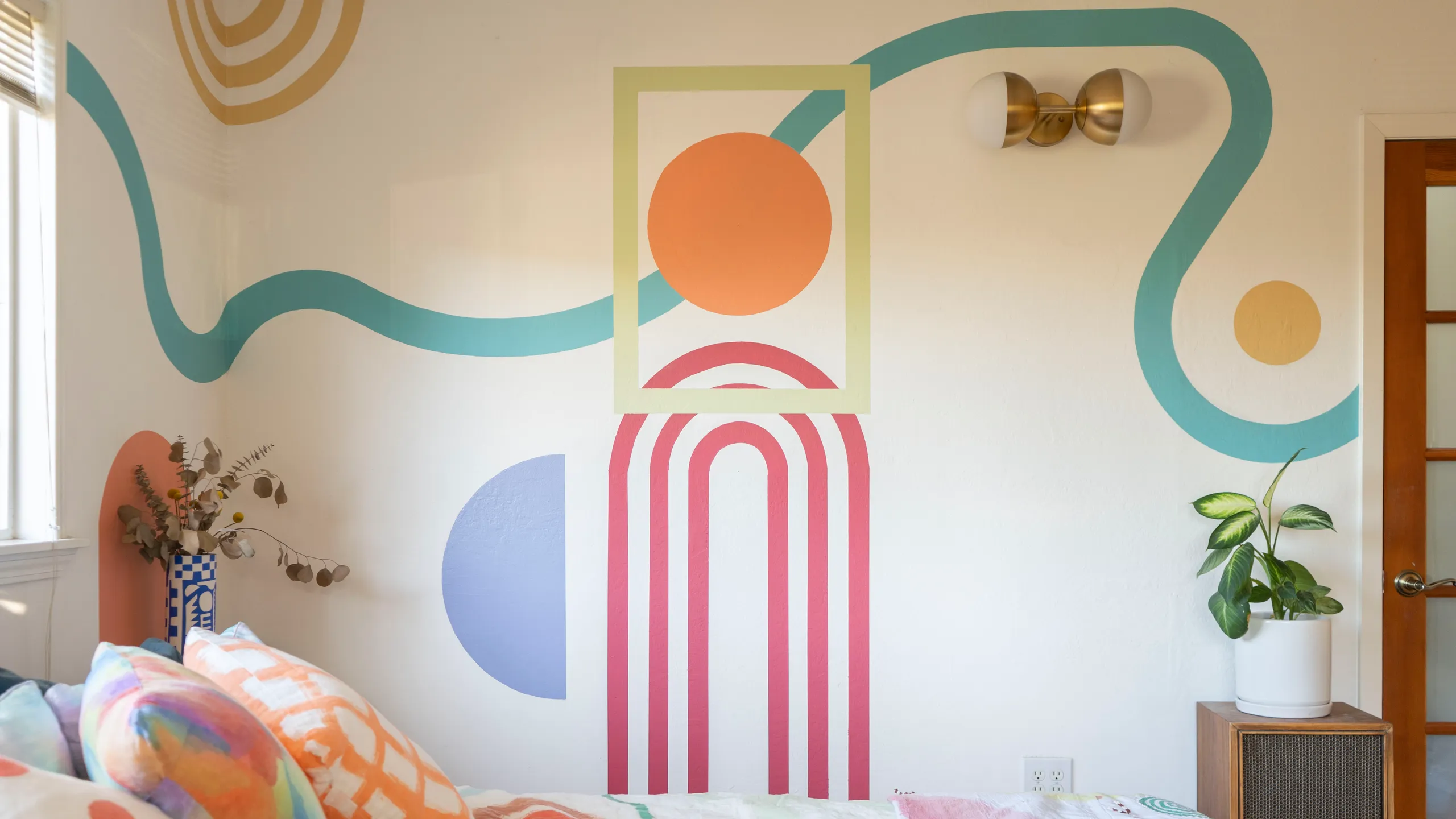
Walls are more than just structural elements that hold up a roof—they are blank canvases waiting to tell a story. Whether you live in a compact apartment or a spacious home, the way you design your walls can completely transform your living environment. A thoughtfully designed wall not only enhances aesthetics but also reflects your personality, creativity, and lifestyle.
If you’re looking to refresh your space without major renovations, focusing on wall design is one of the most impactful and budget-friendly approaches. In this comprehensive guide, you’ll discover a wide range of creative wall design ideas that can elevate your space into something stylish, inviting, and uniquely yours.
1. Statement Walls That Speak Volumes
A statement wall—often called an accent wall—is one of the simplest ways to add character to a room. Instead of decorating all four walls, you focus on one to create visual interest.
You can achieve this with bold paint colors, geometric patterns, textured finishes, or even wallpaper. Deep shades like navy blue, forest green, or charcoal gray can create a dramatic effect, while lighter tones with subtle patterns can add elegance without overwhelming the space.
For a more artistic approach, consider hand-painted murals or stencil designs. These can range from abstract art to nature-inspired themes, giving your room a personalized touch.
2. Gallery Walls for Personal Expression
Gallery walls are perfect for showcasing memories, art, and creativity. You can mix and match framed photographs, paintings, quotes, and illustrations to create a visually engaging display.
To keep it cohesive, choose a consistent color palette or frame style. Symmetrical arrangements offer a clean and organized look, while asymmetrical layouts feel more casual and dynamic.
You can also experiment with layering different sizes and orientations. Including personal elements like travel photos or handwritten notes makes your gallery wall even more meaningful.
3. Textured Walls for Depth and Warmth
Texture adds dimension to a space and makes walls feel more dynamic. There are several ways to introduce texture into your wall design:
- Wood paneling for a warm, rustic feel
- Brick or stone finishes for an industrial or earthy vibe
- Plaster or concrete textures for a modern aesthetic
Even fabric wall panels or 3D wall tiles can create a unique tactile experience. Textured walls are especially effective in living rooms and bedrooms where you want to create a cozy atmosphere.
4. Wall Shelving as Functional Decor
Floating shelves are a brilliant way to combine functionality with style. Instead of leaving your walls bare, use shelves to display decorative items such as plants, books, candles, and sculptures.
Arrange shelves in creative patterns—staggered, vertical, or geometric—to make them part of the design rather than just storage. Minimalist shelving works well in modern interiors, while wooden or vintage shelves suit traditional spaces.
The key is to avoid clutter. Keep your displays curated and balanced to maintain a clean look.
5. Bold Wallpaper for Instant Transformation
Wallpaper has made a strong comeback in interior design. With countless patterns, textures, and finishes available, it offers endless possibilities.
From floral prints and tropical designs to abstract art and metallic finishes, wallpaper can instantly change the mood of a room. Peel-and-stick options make it easy to apply and remove, making it ideal for renters.
You can use wallpaper on a single wall for a subtle effect or cover an entire room for a more immersive experience.
6. Artistic Wall Murals
Wall murals are a fantastic way to turn your wall into a masterpiece. Whether you hire an artist or use large-scale printed murals, this approach adds a dramatic and unique element to your space.
Popular mural themes include:
- Nature scenes like forests or mountains
- City skylines
- Abstract patterns
- Cultural or traditional artwork
Murals work especially well in living rooms, bedrooms, and even home offices, where they can inspire creativity and relaxation.
7. Mirrors for Space and Light
Mirrors are not just functional—they are powerful design tools. Strategically placing mirrors on walls can make a room appear larger and brighter by reflecting light.
Large statement mirrors can serve as focal points, while smaller mirrors arranged in clusters can create a decorative effect. Choose frames that complement your interior style, whether it’s modern, vintage, or bohemian.
Mirrors are particularly effective in small rooms or areas with limited natural light.
8. Wall Decals and Stickers
If you’re looking for a quick and affordable way to decorate your walls, wall decals and stickers are a great option. They come in a wide variety of designs, including quotes, patterns, and illustrations.
These are especially popular for children’s rooms, but they can also add charm to living spaces. The best part is that they are easy to apply and remove without damaging the wall.
You can change them seasonally or whenever you feel like refreshing your decor.
9. Vertical Gardens and Green Walls
Bringing nature indoors is a growing trend in interior design. Vertical gardens or green walls add freshness, color, and a sense of tranquility to your space.
You can use real plants for a natural feel or opt for artificial greenery for low maintenance. Wall-mounted planters, hanging pots, or modular systems can help you create a lush green wall.
This idea works well in living rooms, balconies, and even kitchens, where herbs can be grown for both decoration and use.
10. Lighting as Wall Art
Lighting can dramatically influence the look and feel of your walls. Instead of traditional fixtures, consider using creative lighting solutions such as:
- Wall sconces with unique designs
- LED strip lights for a modern glow
- Backlit panels or artwork
Lighting can highlight textures, patterns, and artwork, adding depth and ambiance to your space. Warm lighting creates a cozy atmosphere, while cool lighting gives a sleek and contemporary feel.
11. DIY Wall Art for a Personal Touch
Creating your own wall art is a rewarding way to decorate your space. DIY projects allow you to customize designs according to your preferences and budget.
Some ideas include:
- Canvas paintings
- Handmade macramé hangings
- Framed fabric or wallpaper samples
- Recycled material art
DIY wall art not only adds uniqueness but also gives you a sense of accomplishment.
12. Minimalist Wall Design
Sometimes, less is more. Minimalist wall design focuses on simplicity, clean lines, and a limited color palette.
A single piece of artwork, a neutral color scheme, and uncluttered space can create a calm and sophisticated environment. This approach is perfect for modern and contemporary interiors.
Minimalism doesn’t mean boring—it emphasizes quality over quantity and allows each element to stand out.
13. Cultural and Traditional Elements
Incorporating cultural or traditional designs into your walls can add depth and meaning to your space. This could include:
- Handcrafted wall hangings
- Traditional patterns or motifs
- Cultural artwork or calligraphy
These elements not only enhance aesthetics but also celebrate heritage and identity.
14. Mixed Materials for a Unique Look
Combining different materials on your walls can create a visually striking effect. For example:
- Wood and metal combinations
- Glass and stone accents
- Fabric and paint contrasts
This approach adds complexity and interest, making your walls stand out. It works particularly well in modern and industrial-style interiors.
15. Chalkboard or Whiteboard Walls
For a fun and functional twist, consider turning a wall into a chalkboard or whiteboard. This is especially useful in kitchens, home offices, or kids’ rooms.
You can use it for:
- Writing notes and reminders
- Drawing and creativity
- Planning and organization
It adds an interactive element to your space and can be updated whenever you like.
16. Accent Panels and Moldings
Wall panels and moldings can add elegance and structure to your walls. From classic wainscoting to modern geometric panels, this design technique enhances the architectural appeal of a room.
Painted moldings in contrasting colors can create a bold look, while subtle tones add sophistication.
17. Seasonal Wall Decor
Changing your wall decor according to seasons or occasions keeps your space fresh and exciting. You can switch out artwork, colors, and decorative elements to match the time of year.
For example:
- Warm tones and cozy textures in winter
- Bright colors and floral designs in spring
- Light and airy decor in summer
This approach allows you to experiment and keep your home dynamic.
Conclusion
Creative wall design is one of the most effective ways to elevate your living space without major renovations. From bold statement walls and gallery displays to textured finishes and green installations, the possibilities are endless.
The key is to choose designs that reflect your personality while maintaining balance and harmony within your space. Whether you prefer a minimalist aesthetic or a vibrant, eclectic look, your walls can become a powerful expression of your style.
Start small, experiment with different ideas, and don’t be afraid to think outside the box. With a little creativity and effort, you can transform any wall into a stunning focal point that enhances your entire home.