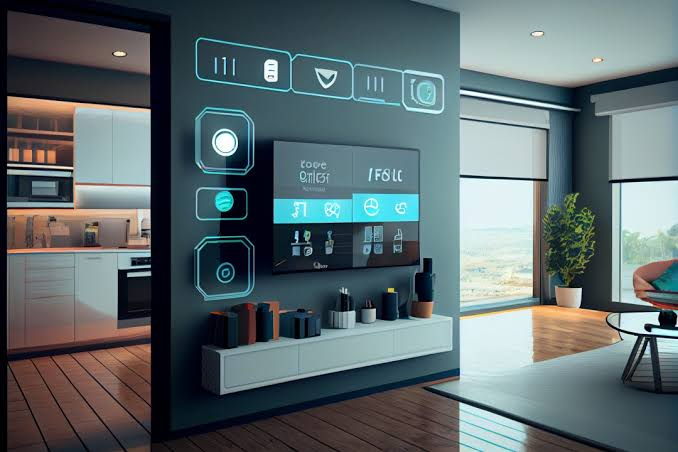
Upgrading your living space does not have to mean a full renovation. Smart design is about making every square metre work harder — better light, better storage, furniture that does two jobs, and technology that quietly removes daily friction. When those pieces come together, a room feels larger, calmer, and more enjoyable without a single wall moving.
The short answer is to start with the three upgrades that change how a room feels fastest: layered lighting, a clearer layout with defined zones, and storage that hides clutter. Then add smart controls for lighting and temperature, a few creative pieces that reflect your personality, and finishes that tie the space together. The ideas below follow that sequence, so you can upgrade in stages and stop whenever the room feels right.
What Smart Design Really Means for Your Living Space
Smart design is not about filling a room with gadgets. It is a way of planning a space around the people who use it. A smart living room has a clear path through it, seating that faces both the television and the conversation, light that can be bright for reading or soft for evenings, and a place for everything that enters the room. When a space is designed this way, it feels effortless to live in, even if no one can quite say why.
The second half of smart design is flexibility. Families change — children grow, work moves home, hobbies come and go — so the best living spaces can adapt. Modular sofas, movable side tables, folding desks, and storage on wheels let a room shift from family movie night to a home office to a dinner party without a major rearrangement. Design for the life you have now, but leave room for the life you will have next year.
Smart Lighting and Climate Controls That Upgrade Daily Comfort
Lighting is the fastest way to upgrade a living space, and smart lighting makes it far more flexible. Replace a single harsh ceiling light with layers: a central fixture or recessed lights for general brightness, floor and table lamps for warmth, and a strip of LED light behind a shelf or television for evening ambience. Smart bulbs and dimmer switches let you change brightness and warmth from your phone or with a voice command, so the same room can feel bright for work and calm for relaxing.
Climate control works the same way. A smart thermostat learns when the house is occupied and adjusts heating and cooling automatically, which can reduce wasted energy. In living spaces that overheat in summer, motorised blinds or sheer curtains that close during the hottest hours keep the room comfortable without running air conditioning all day. Small changes like these add up to a room that simply feels right whenever you walk into it.
Creative Layout Tricks That Make Your Living Space Work Harder
Most living spaces fail because of layout, not size. Start by identifying the focal point — a fireplace, a large window, or the television — and arrange seating around it at a comfortable distance. Leave a clear walking path of at least 75 centimetres through the room, and resist pushing every piece of furniture against the walls; pulling a sofa even 15 centimetres out can make a room feel more intentional and spacious.
In open-plan homes, define zones without building walls. A rug anchors a seating area, a bookshelf or console marks the edge of a dining zone, and a change in lighting signals a shift from one activity to another. These soft divisions keep the space open while giving each area a purpose, so the room works for conversation, reading, working, and entertaining at different times of day.
- Sketch the room to scale before moving heavy furniture, and test the layout for a week.
- Place seating so people can talk without raising their voices across the room.
- Keep the main walkway clear of cables, toys, and trailing furniture.
Multi-Functional Furniture and Hidden Storage for Smarter Living Spaces
Multi-functional furniture is the heart of a smart living space upgrade. A storage ottoman holds blankets and board games, a coffee table lifts to become a work surface, and a sofa bed turns a living room into a guest room in minutes. Look for pieces that earn their floor space twice over, and measure carefully — a clever piece that is too large for the room will undo all of its benefits.
Hidden storage is just as important. Built-in shelving beside a fireplace, a media unit with closed cabinets, and baskets inside open shelves keep everyday clutter out of sight while keeping it within reach. The rule is simple: everything that lives in the room should have a home. When remotes, chargers, books, and toys each have a place, the room stays calm with almost no effort.
Statement Walls, Texture, and Colour in a Smarter Living Space
A single statement wall can give a living space its character. Paint one wall in a deep, warm colour, add wood slats or panelling, or hang one large piece of art that you genuinely love. The key is restraint — one strong feature makes a room feel designed, while three competing features make it feel busy. Let the statement wall be the star and keep the other walls calm.
Texture does the quiet work of making a room feel comfortable. Mix smooth and soft surfaces: a leather or linen sofa with a wool throw, a wooden coffee table with a woven basket, a metal lamp beside a fabric shade. Colour works best as a palette of three — a main neutral, a secondary tone, and one accent that repeats in cushions, art, and small accessories. Repeating the accent colour at least twice makes the room feel intentional rather than accidental.
Smart Kitchen and Bathroom Touches That Lift the Whole Living Space
Living spaces rarely end at the living room door, and small upgrades in the kitchen and bathroom lift the whole home. In the kitchen, under-cabinet LED strips, a statement tap, and a cleared, well-lit worktop make cooking feel easier and the room feel newer. In the bathroom, a backlit mirror, a rainfall shower head, and a heated towel rail add a hotel-like touch for a modest cost.
These upgrades work because they are the ones you touch and see every day. A beautiful tap, a soft-close drawer, or a mirror that never fogs will be noticed far more often than a feature hidden in a room you rarely enter. When budgeting, spend first where your hands and eyes go daily, and save the dramatic changes for later phases.
Bringing Nature Indoors: Biophilic Touches for a Healthier Living Space
Biophilic design — bringing natural elements indoors — is one of the most effective ways to make a living space feel calm and healthy. Houseplants such as snake plants, monstera, and peace lilies add life and texture, and they thrive in most living rooms with only basic care. Natural materials like wood, stone, linen, and wool soften a room in a way that plastic and chrome cannot.
You do not need a jungle to get the benefit. A few well-placed plants, a wooden tray or bowl, and a view of the outdoors kept clear of clutter can change the feel of a room. If you struggle to keep plants alive, self-watering planters and low-maintenance species are a practical answer. Keep the arrangement simple — three plants of different heights in one corner often look better than a dozen scattered around the room.
Living Space Upgrade Mistakes That Make Smart Designs Feel Cluttered
The most common mistake in a living space upgrade is adding too much at once. A new sofa, a new rug, new lamps, new art, and new gadgets in the same week will fight each other, and the room will feel like a showroom rather than a home. Change one layer at a time — layout first, then lighting, then furniture, then decoration — and live with each change for a few days before adding the next.
Other mistakes include buying furniture that is the wrong scale for the room, choosing a television that dominates the space, and hiding every cable badly instead of routing them properly. A television that is too large for the viewing distance strains the eyes, while visible cables and chargers undo the calm that the rest of the upgrade creates. Measure twice, buy once, and plan cable routes before you place the furniture.
When Smart Living Space Upgrades Need a Professional Installer
Most living space upgrades are safe DIY projects: painting, rearranging furniture, fitting shelves, and swapping light bulbs. Electrical work is the clear boundary. Installing new circuits, hardwired smart switches, recessed lighting, or anything inside the consumer unit should be done by a qualified electrician, and local rules may require inspection. The same applies to any work that involves gas, structural changes, or moving plumbing.
A professional is also worth hiring when the finish matters more than the saving. A perfectly fitted media wall, a levelled floating shelf that carries real weight, or a cleanly installed smart blind system will look better and last longer when done by someone who does it every day. Get written quotes, check that the installer is insured, and agree the scope in writing before work begins.
Smart Living Space Upgrade FAQs
What is the cheapest way to upgrade a living space?
Start with paint, lighting, and decluttering. A fresh coat of paint, a few well-placed lamps, and a proper place for everything can transform a room for very little money. Rearranging furniture costs nothing and often reveals a better layout you had not considered.
Are smart home devices worth it in a living room?
Yes, when they solve a real problem. Smart bulbs, dimmers, and a smart thermostat are the most useful starting points because you use them every day. Avoid gadgets that duplicate something you already do easily — technology should remove friction, not add another app to manage.
How do I make a small living space feel bigger?
Use light colours, mirrors opposite windows, furniture with visible legs, and storage that goes up the wall rather than across the floor. Keep the floor as clear as possible, choose a rug large enough for the front legs of all seating, and avoid oversized furniture that crowds the room.
What is the best layout for a living room?
There is no single best layout, but the principles are consistent: a clear focal point, seating within easy conversation distance, a clear walking path, and lighting at more than one height. Sketch the room, test the arrangement for a week, and adjust based on how you actually use it.
How can I add storage without making the room feel crowded?
Use closed storage that matches the wall colour, so it blends in rather than standing out. Built-in units beside a fireplace, ottomans with hidden compartments, and media units with doors all add capacity without visual clutter. Avoid open shelves for anything you do not want to see every day.
Should I hire a designer for a living space upgrade?
For a single room, most homeowners can manage with good planning and research. A designer is worth considering for open-plan changes, awkward layouts, or a whole-home refresh, where professional space planning and trade contacts can save costly mistakes and deliver a more polished result.
Final Thoughts: A Smarter Living Space Built Around Your Daily Life
A smart living space is not the one with the most technology or the most expensive furniture. It is the one that fits your daily life — easy to move through, easy to keep tidy, comfortable in the morning and calm in the evening. Start with light, layout, and storage, add the smart touches that genuinely help, and let the room grow with you. Upgrade in stages, live with each change, and stop when the space feels like home.
| Upgrade | Impact | Typical cost range | Difficulty |
| Layered smart lighting | High — changes the mood instantly | Low to moderate | Easy to moderate |
| Multi-functional furniture | High — more use from the same space | Moderate | Easy |
| Hidden storage and built-ins | High — calmer, tidier rooms | Moderate | Moderate |
| Smart thermostat and blinds | Medium — comfort and energy savings | Low to moderate | Easy to moderate |
| Biophilic touches and plants | Medium — calmer, healthier feel | Low | Easy |