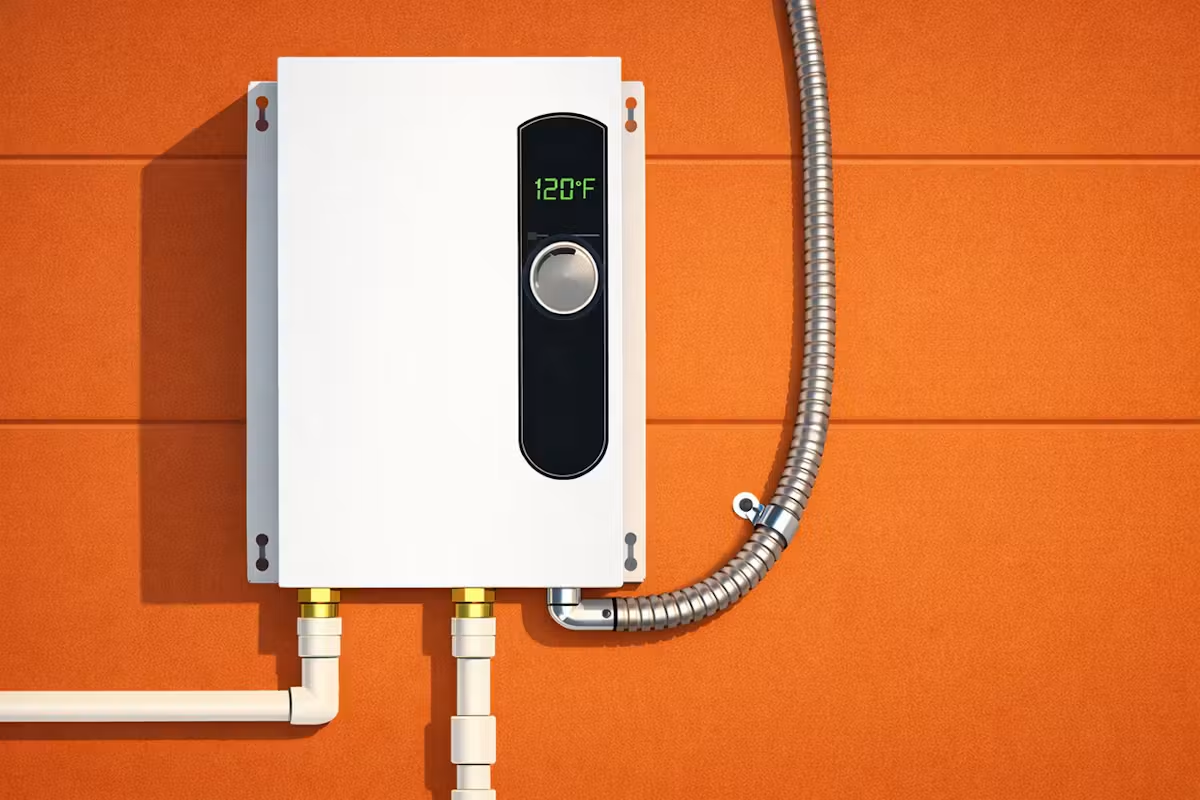
For many years, traditional water heaters were the standard choice for homes because they were familiar, easy to install, and widely available. However, rising energy costs, increasing awareness about efficiency, and improvements in home technology are changing how homeowners think about heating water. Heat pump water heaters are becoming a popular alternative because they use a different method to produce hot water while consuming significantly less electricity than conventional electric models.
Instead of generating heat directly, heat pump water heaters capture existing heat from the surrounding air and transfer it into the water tank. This approach makes them more energy-efficient and can help homeowners reduce long-term utility expenses. While they may require a higher upfront investment, many homeowners are considering them because of their potential savings, environmental benefits, and modern features.
How Heat Pump Water Heaters Work
A heat pump water heater works similarly to how a refrigerator operates, but in reverse. A refrigerator removes heat from inside the appliance and releases it outside, while a heat pump water heater collects heat from the surrounding air and moves it into the water.
The system uses a fan to pull in air from the room. A refrigerant inside the unit absorbs heat from that air, and the heat is transferred through a compressor and heat exchanger to warm the water stored in the tank.
Because the system moves existing heat instead of creating heat through electrical resistance, it requires less electricity to operate. This makes it different from traditional electric water heaters that use heating elements to directly warm the water.
Lower Energy Consumption and Long-Term Savings
One of the biggest reasons homeowners are switching to heat pump water heaters is energy efficiency. Traditional electric water heaters can consume a large amount of electricity because they must continuously generate heat whenever hot water is needed.
Heat pump models typically use much less electricity because they transfer heat rather than create it. Over time, this difference can lead to noticeable savings on monthly energy bills, especially for households that use a lot of hot water.
The actual savings depend on several factors, including:
- Local electricity prices
- Household hot water usage
- Climate conditions
- Installation location
- Existing water heating system
Although the initial purchase price of a heat pump water heater is often higher than a standard model, many homeowners view it as a long-term investment rather than just an appliance purchase.
Better Choice for Energy-Efficient Homes
Modern homeowners are paying more attention to overall energy performance. From insulated walls and smart thermostats to solar panels and efficient appliances, many renovation decisions now focus on reducing energy waste.
Heat pump water heaters fit well into this approach because they can become part of a more efficient home system. They work especially well in homes where owners are already making improvements to lower energy consumption.
For homeowners planning renovations, upgrading the water heater can be an important step toward creating a more sustainable property. It may also support green building goals and improve the home’s overall efficiency rating.
Environmental Benefits of Heat Pump Water Heaters
Another reason behind their growing popularity is environmental awareness. Traditional water heaters that rely heavily on electricity generated from fossil fuels can contribute to higher carbon emissions.
Since heat pump water heaters use less electricity, they can reduce overall energy demand. When combined with renewable energy sources such as rooftop solar systems, they can become an even cleaner option for producing hot water.
For environmentally conscious homeowners, choosing an efficient water heating system is one way to reduce household energy impact without changing daily habits.
Are Heat Pump Water Heaters Suitable for Every Home?
Although heat pump water heaters offer many benefits, they are not the perfect solution for every situation. Homeowners should consider their space, climate, and household needs before making a decision.
These systems usually work best in locations where there is enough surrounding air volume for the unit to capture heat. A basement, garage, or utility room may provide suitable conditions depending on the home’s design.
In colder environments, efficiency can vary because there is less available heat in the surrounding air. However, newer models have improved performance and can operate effectively in a wider range of conditions.
Professional assessment is often helpful before installation to determine whether the home’s layout is suitable.
Installation Considerations Homeowners Should Know
Installing a heat pump water heater is not always a simple replacement process. Although it connects to existing plumbing systems similarly to traditional models, there are additional factors to consider.
Important installation requirements may include:
- Adequate space around the unit for airflow
- Proper electrical connections
- Correct ventilation
- Drainage options for condensation
- Appropriate tank size for household demand
Choosing the correct size is also important. A unit that is too small may struggle to provide enough hot water, while an oversized system may increase unnecessary costs.
Working with an experienced installer can help avoid performance problems and ensure the system operates efficiently.
Comparing Heat Pump Water Heaters With Traditional Models
Traditional water heaters still have advantages. They are generally cheaper upfront, widely available, and familiar to most contractors. For homeowners with limited budgets or specific installation limitations, a conventional model may still be practical.
However, heat pump water heaters offer advantages in areas where traditional models often fall short.
Traditional water heaters:
- Usually have lower purchase costs
- Are easier to find and replace quickly
- May use more energy over time
- Can result in higher operating expenses
Heat pump water heaters:
- Use less electricity
- Can reduce long-term energy costs
- Support energy-efficient home designs
- May qualify for certain incentives or rebates
- Provide a more modern heating solution
The best choice depends on the homeowner’s priorities, budget, and property conditions.
Maintenance Requirements and Expected Lifespan
Like any home appliance, heat pump water heaters require regular maintenance to maintain performance. Homeowners should follow manufacturer recommendations and schedule inspections when necessary.
Basic maintenance may include:
- Cleaning air filters
- Checking system components
- Inspecting connections
- Flushing the tank when required
- Monitoring performance changes
With proper care, many heat pump water heaters can provide reliable service for many years. Regular maintenance can also help prevent efficiency losses and unexpected repairs.
The Future of Residential Water Heating
As energy prices continue to change and homeowners become more focused on efficient living, heat pump water heaters are likely to become more common. Advances in technology are making these systems quieter, more efficient, and easier to integrate into modern homes.
The shift toward smarter and more sustainable homes is influencing many purchasing decisions. Water heating represents a significant portion of household energy use, which makes efficiency improvements in this area especially valuable.
For homeowners planning upgrades, renovations, or new construction, a heat pump water heater is worth considering as part of a long-term energy strategy.
Final Thoughts
Heat pump water heaters are gaining popularity because they offer a combination of efficiency, savings potential, and environmental advantages. While the upfront cost may be higher compared to traditional models, many homeowners see value in reducing ongoing energy expenses and investing in a more sustainable home system.
Before making a switch, homeowners should evaluate their hot water needs, available space, climate conditions, and installation requirements. With the right setup, a heat pump water heater can provide reliable performance while helping create a more energy-efficient home for the future.