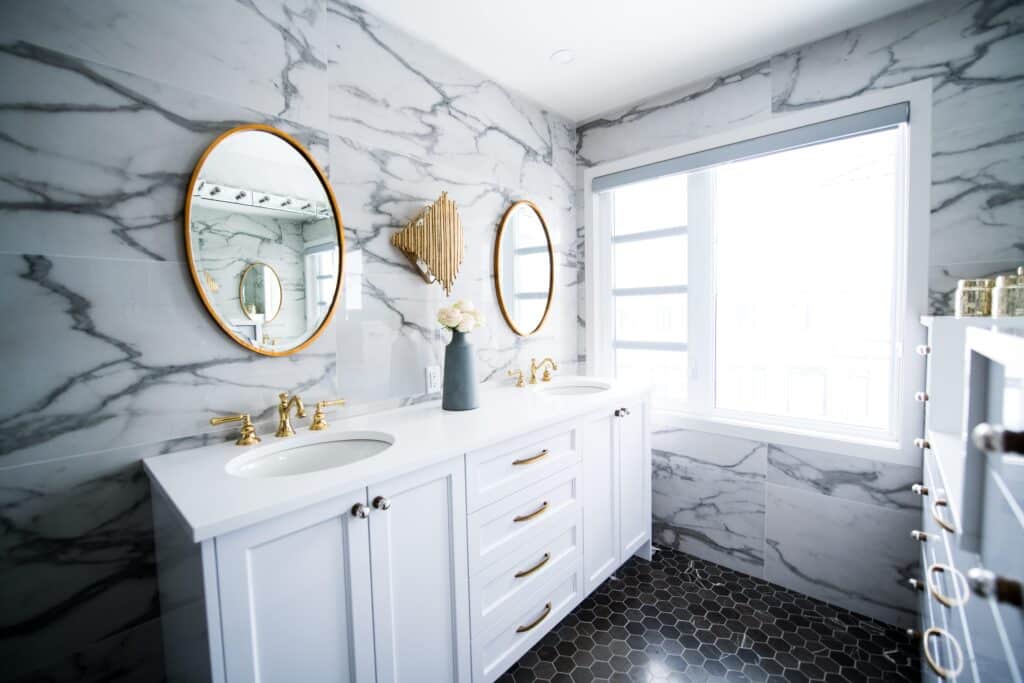
A bathroom remodel is one of the most rewarding home improvement projects you can take on. Whether you’re updating an outdated guest bathroom or transforming your primary bathroom into a modern retreat, a well-planned renovation improves comfort, functionality, and property value. However, remodeling costs can vary significantly depending on the size of the bathroom, the materials you choose, labor expenses, and the scope of the project.
Without careful planning, costs can quickly exceed expectations. That’s why understanding where your money goes and learning how to prioritize upgrades is essential before demolition begins.
Why Bathroom Remodeling Costs Vary
No two bathroom remodels cost exactly the same. A simple cosmetic refresh may cost only a few thousand dollars, while a luxury renovation with custom cabinetry, premium tile, heated floors, and high-end fixtures can cost several times more.
Several factors influence the total price:
- Bathroom size
- Quality of materials
- Labor rates in your area
- Structural changes
- Plumbing modifications
- Electrical work
- Custom features
- Permits and inspections
- Unexpected repairs
Older homes may require additional work such as replacing outdated plumbing, fixing water damage, or updating electrical wiring to meet modern building codes.
Creating a Bathroom Remodeling Budget
The first step toward a successful renovation is creating a realistic budget.
Many homeowners divide their bathroom remodeling budget into several categories:
- Demolition
- Plumbing
- Electrical work
- Flooring
- Wall finishes
- Vanity and cabinets
- Fixtures
- Shower or bathtub
- Lighting
- Labor
- Permit fees
- Contingency fund
A contingency fund is particularly important. Hidden issues such as mold, damaged subfloors, or leaking pipes often become visible only after demolition. Setting aside 10% to 20% of your total budget helps prevent financial surprises.
Before purchasing materials, decide which upgrades matter most. If your budget is limited, prioritize improvements that increase functionality over cosmetic upgrades.
Understanding Major Cost Categories
Knowing where most of your money goes helps you make smarter decisions throughout the remodeling process.
Labor
Labor often represents the largest portion of the budget. Professional plumbers, electricians, tile installers, painters, carpenters, and general contractors all contribute to the project.
Hiring experienced professionals may cost more initially but often reduces expensive mistakes and ensures work meets local building codes.
Materials
Material choices dramatically affect the overall cost.
Basic ceramic tile is much more affordable than natural stone. Stock cabinets cost less than custom-built vanities. Standard faucets are considerably cheaper than designer fixtures.
Choosing mid-range materials often provides the best balance between durability and affordability.
Demolition and Disposal
Removing old flooring, cabinets, fixtures, drywall, and debris requires labor and disposal fees.
If the bathroom contains hazardous materials such as asbestos in older homes, removal costs can increase substantially.
Choosing Bathroom Fixtures Wisely
Bathroom fixtures are among the most noticeable features of any remodel.
These typically include:
- Toilet
- Sink
- Vanity
- Faucet
- Bathtub
- Shower system
- Shower doors
- Mirrors
While luxury fixtures look impressive, many mid-priced options offer similar performance and attractive designs.
When selecting fixtures, consider:
- Water efficiency
- Ease of cleaning
- Long-term durability
- Manufacturer warranty
- Replacement part availability
- Style compatibility
Water-saving fixtures can also reduce monthly utility bills while supporting environmental sustainability.
Flooring Options and Their Costs
Bathroom flooring must withstand moisture, humidity, and frequent cleaning.
Some popular flooring choices include:
Ceramic Tile
Ceramic tile remains one of the most affordable and durable options. It offers countless colors, textures, and patterns while resisting moisture effectively.
Porcelain Tile
Porcelain is denser than ceramic, making it even more water-resistant and durable. Although it costs more, it often lasts longer.
Luxury Vinyl Plank
Luxury vinyl flooring has become increasingly popular because it combines affordability with waterproof performance. Modern designs closely resemble hardwood or stone.
Natural Stone
Marble, slate, and travertine create an elegant appearance but require regular sealing and higher maintenance.
Engineered Stone Tiles
These offer the luxurious appearance of natural stone while requiring less maintenance and often costing less.
When selecting flooring, remember that installation costs can sometimes exceed the price of the materials themselves, especially with intricate tile patterns.
Plumbing Costs During a Remodel
Plumbing expenses depend largely on whether you keep the existing layout.
Replacing fixtures in their current locations is generally much more affordable than relocating toilets, sinks, or showers.
Moving plumbing lines may involve:
- Opening walls
- Cutting concrete slabs
- Installing new drain lines
- Extending water supply lines
- Updating vent systems
If your home’s plumbing is several decades old, replacing aging pipes during the renovation may prevent future leaks and water damage.
Although this increases upfront costs, it often saves money over the long term.
Electrical and Lighting Improvements
Lighting has a major impact on both functionality and atmosphere.
Many older bathrooms rely on a single ceiling fixture, creating uneven illumination and shadows around mirrors.
A modern lighting plan often includes multiple layers.
Ambient Lighting
Provides general illumination throughout the room.
Task Lighting
Installed around mirrors to improve visibility while shaving, applying makeup, or grooming.
Accent Lighting
Highlights decorative features, niches, artwork, or architectural details.
Decorative Lighting
Pendant lights, wall sconces, or decorative ceiling fixtures enhance the bathroom’s overall style.Energy-efficient LED lighting has become the preferred choice because it lasts longer,consumes less electricity, and produces minimal heat.Dimmer switches also allow homeowners to adjust brightness according to different times of day.
Cabinetry and Storage Solutions
Storage is often overlooked during bathroom remodeling.
An attractive bathroom quickly becomes cluttered if storage is insufficient.
Popular storage options include:
- Floating vanities
- Linen cabinets
- Built-in shelves
- Medicine cabinets
- Recessed wall niches
- Drawer organizers
- Under-sink storage
- Over-the-toilet cabinets
Custom cabinetry maximizes every inch of available space but typically costs significantly more than prefabricated options.
Shower and Bathtub Decisions
One of the biggest remodeling decisions is whether to install a bathtub, a shower, or both.
Walk-in showers have become increasingly popular because they:
- Make bathrooms feel larger
- Improve accessibility
- Simplify cleaning
- Support modern design styles
Frameless glass enclosures create an open appearance while allowing decorative tile work to become the room’s focal point.
However, families with young children often prefer keeping at least one bathtub in the home.
Ventilation Matters
Bathrooms generate significant moisture every day.
Poor ventilation can lead to:
- Mold growth
- Peeling paint
- Warped cabinets
- Ceiling damage
- Persistent odors
Installing a properly sized exhaust fan protects your investment and improves indoor air quality.
Quiet, energy-efficient fans are available in various performance levels and often include humidity sensors that operate automatically when moisture levels rise.
Popular Bathroom Design Trends
Bathroom design continues evolving toward comfort, efficiency, and relaxation.
Some of today’s most popular trends include:
Spa-Inspired Spaces
Soft colors, natural materials, rainfall showerheads, and freestanding tubs create a calming atmosphere.
Floating Vanities
Wall-mounted vanities make bathrooms appear larger while simplifying floor cleaning.
Large Format Tiles
Fewer grout lines create a cleaner appearance and reduce maintenance.
Matte Black Fixtures
Matte finishes continue growing in popularity for faucets, shower systems, and hardware.
Warm Earth Tones
Beige, sand, olive green, and warm gray have replaced the cool gray trend seen in previous years.
Smart Technology
Modern bathrooms increasingly feature:
- Touchless faucets
- Smart mirrors
- Heated floors
- Programmable lighting
- Digital shower controls
- Bluetooth speakers
These features improve convenience while adding a luxury feel.
Ways to Save Money During a Bathroom Remodel
A beautiful bathroom doesn’t always require a massive budget.
Consider these practical money-saving strategies.
Keep the Existing Layout
Moving plumbing is one of the most expensive parts of remodeling.
Keeping sinks, toilets, and showers in their current locations significantly reduces labor costs.
Refinish Instead of Replace
Bathtubs, cabinets, and countertops can often be professionally refinished instead of replaced.
Refinishing provides a fresh appearance at a fraction of the cost.
Choose Stock Cabinets
Stock vanities are much more affordable than custom-built cabinetry while offering attractive designs.
Mix Premium and Budget Materials
Use premium materials where they’ll have the greatest visual impact while selecting budget-friendly options elsewhere.
For example, install decorative accent tile only in the shower niche instead of covering every wall.
Shop Sales
Buying fixtures, lighting, flooring, and accessories during seasonal promotions can reduce your overall expenses considerably.
Handle Simple Tasks Yourself
If you have basic DIY skills, you may save money by:
- Painting
- Installing towel bars
- Hanging mirrors
- Removing old fixtures
- Demolition (where appropriate)
Leave plumbing, electrical work, waterproofing, and structural modifications to licensed professionals.
Common Mistakes That Increase Remodeling Costs
Many remodeling projects exceed budget because of avoidable mistakes.
Some of the most common include:
- Beginning without a detailed plan
- Frequently changing designs after construction starts
- Choosing the cheapest contractor without checking references
- Ignoring ventilation requirements
- Buying incompatible fixtures
- Underestimating labor costs
- Forgetting permit expenses
- Skipping waterproofing measures
- Not budgeting for unexpected repairs
Careful planning reduces costly delays and improves the final outcome.
Is Bathroom Remodeling Worth the Investment?
Bathroom remodeling consistently ranks among the most valuable home improvement projects.
Benefits include:
- Increased property value
- Improved daily comfort
- Better energy efficiency
- Reduced water consumption
- Enhanced safety
- Modern appearance
- Easier maintenance
- Better storage
- Improved functionality
While homeowners may not recover every dollar spent when selling, an updated bathroom often makes homes more attractive to potential buyers and may help properties sell faster.
Even if you’re not planning to move anytime soon, enjoying a more comfortable and functional bathroom every day often makes the investment worthwhile.
Final Thoughts
Bathroom remodeling is much more than selecting attractive tile or installing a new vanity. A successful renovation combines thoughtful budgeting, careful planning, quality materials, skilled workmanship, and practical design decisions that meet your family’s needs.
By understanding the major cost categories, comparing fixture and flooring options, planning plumbing and lighting carefully, and following proven money-saving strategies, you can create a bathroom that looks beautiful, functions efficiently, and remains durable for years to come.
Whether you’re completing a modest update or building your dream bathroom from the ground up, investing time in planning every detail before construction begins is the best way to control costs, avoid unexpected setbacks, and achieve results you’ll enjoy every day.