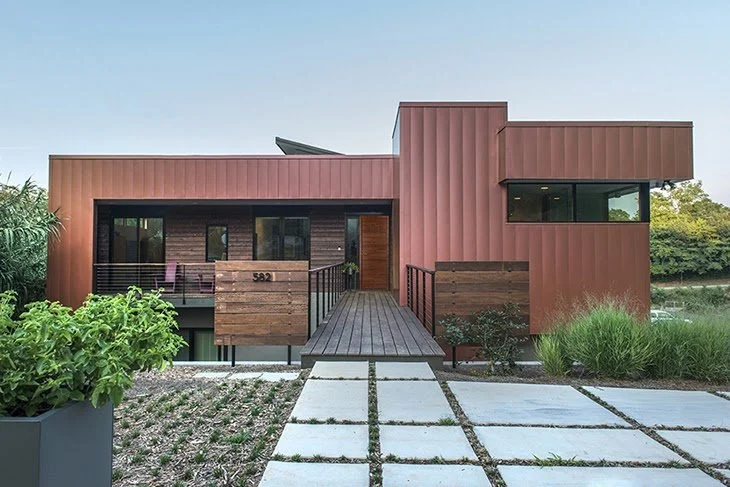
Replacing your home’s siding is one of the most valuable exterior upgrades you can make. New siding doesn’t just improve curb appeal—it also protects your home from harsh weather, boosts energy efficiency, reduces maintenance, and can increase resale value. Whether you’re renovating an older property or building a new home, choosing the right siding material is a decision that affects your budget for decades.
Today’s homeowners have more options than ever before. Vinyl remains a popular budget-friendly choice, while fiber cement offers impressive durability. Brick provides timeless appeal, wood delivers natural beauty, metal offers modern performance, and stucco continues to be a favorite in many climates.
This guide compares the most common siding materials based on cost, durability, maintenance, appearance, installation, lifespan, and overall value to help you choose the best option for your home.
Why Home Siding Matters
Siding serves as the first line of defense against rain, snow, wind, sunlight, and temperature changes. High-quality siding also helps prevent moisture damage, improves insulation, and protects the structural components of your house.
Beyond protection, siding significantly influences your home’s appearance. A fresh exterior can transform an outdated property into one that looks modern, clean, and inviting.
When replacing siding, consider factors such as:
- Climate
- Budget
- Maintenance preferences
- Architectural style
- Energy efficiency
- Expected lifespan
- Return on investment
Making the right choice now can save thousands of dollars in future repairs.
Signs Your Home Needs New Siding
Many homeowners wait too long before replacing damaged siding. Common warning signs include:
- Cracks or broken panels
- Warping or buckling
- Rotting wood
- Frequent repainting
- Mold or mildew growth
- Water stains inside walls
- Rising energy bills
- Pest infestations
- Loose siding after storms
- Fading or severe discoloration
If several of these issues are present, replacing the siding is often more cost-effective than repeated repairs.
Vinyl Siding
Vinyl siding has remained one of America’s most popular exterior materials because it offers affordability, low maintenance, and a wide range of styles.
Average Cost
Installed cost generally ranges between $4 and $12 per square foot, depending on quality, insulation, and labor.
Advantages
- Budget-friendly
- Minimal maintenance
- Never needs painting
- Resistant to insects
- Available in numerous colors
- Lightweight and easy to install
- Good moisture resistance
Disadvantages
- Can crack in extreme cold
- May warp under intense heat
- Lower-end products may fade over time
- Less impact-resistant than some alternatives
Lifespan
20–40 years with proper installation and care.
Maintenance
Maintenance is simple. Washing the siding once or twice per year with mild soap and water removes dirt and mildew. Damaged panels can usually be replaced individually.
Fiber Cement Siding
Fiber cement has become increasingly popular because it combines the appearance of painted wood with outstanding durability.
Made from cement, sand, and cellulose fibers, it withstands harsh weather better than many traditional materials.
Average Cost
Installation typically costs $8 to $18 per square foot.
Advantages
- Fire resistant
- Pest resistant
- Doesn’t rot easily
- Excellent weather resistance
- Mimics wood grain beautifully
- Long lifespan
- Performs well in many climates
Disadvantages
- Higher installation costs
- Heavy material
- Professional installation required
- Needs repainting every 10–15 years
Lifespan
40–50 years or longer.
Maintenance
Occasional cleaning and periodic repainting help maintain appearance and weather resistance.
Brick Siding
Brick has been used for centuries because of its exceptional durability and timeless appearance.
While brick is among the most expensive siding options, it often lasts for generations.
Average Cost
Installation generally ranges from $12 to $30 per square foot.
Advantages
- Extremely durable
- Fire resistant
- Excellent weather protection
- Minimal maintenance
- High resale value
- Classic appearance
- Resistant to pests
Disadvantages
- High upfront cost
- Heavy construction
- Repairs can be expensive
- Mortar joints eventually require repointing
Lifespan
75–100 years or more.
Maintenance
Brick requires little maintenance beyond occasional cleaning and periodic mortar repairs.
Wood Siding
Wood siding offers unmatched natural beauty and remains a favorite for traditional, farmhouse, and cottage-style homes.
Popular wood species include cedar, pine, redwood, and engineered wood products.
Average Cost
Installed cost ranges from $7 to $20 per square foot, depending on wood type.
Advantages
- Natural appearance
- Easily painted or stained
- Environmentally friendly when responsibly sourced
- Excellent curb appeal
- Customizable finishes
Disadvantages
- Higher maintenance
- Susceptible to insects
- Can rot if moisture isn’t controlled
- Requires regular painting or staining
- Fire risk without treatment
Lifespan
20–60 years depending on maintenance and climate.
Maintenance
Wood requires regular inspections, repainting or staining every few years, sealing exposed areas, and replacing damaged boards promptly.
Metal Siding
Metal siding has grown in popularity due to modern architectural trends and impressive durability.
Aluminum and steel are the two most common options.
Average Cost
Installed cost usually falls between $7 and $16 per square foot.
Advantages
- Fire resistant
- Pest resistant
- Doesn’t rot
- Modern appearance
- Long lifespan
- Recyclable material
- Low maintenance
Disadvantages
- Can dent from impacts
- May scratch
- Steel can rust if protective coatings are damaged
- Aluminum can be noisy during heavy rain
Lifespan
40–70 years.
Maintenance
Wash occasionally, inspect for scratches, and touch up damaged coatings before corrosion develops.
Stucco Siding
Stucco remains especially popular in warm, dry climates where it performs exceptionally well.
Traditional stucco combines cement, sand, lime, and water into a durable exterior finish.
Average Cost
Professional installation generally costs $8 to $18 per square foot.
Advantages
- Attractive textured appearance
- Energy efficient
- Fire resistant
- Long lifespan
- Excellent sound insulation
- Low maintenance
Disadvantages
- Can crack with foundation movement
- Less suitable for consistently wet climates
- Repairs require experienced professionals
- Installation is labor-intensive
Lifespan
50–80 years.
Maintenance
Inspect periodically for cracks and repair them early before moisture enters behind the surface.
Comparing Siding Materials
| Material | Average Cost | Lifespan | Maintenance | Durability |
| Vinyl | Low | 20–40 years | Very Low | Good |
| Fiber Cement | Moderate | 40–50 years | Low | Excellent |
| Brick | High | 75–100+ years | Very Low | Outstanding |
| Wood | Moderate to High | 20–60 years | High | Good |
| Metal | Moderate | 40–70 years | Low | Excellent |
| Stucco | Moderate | 50–80 years | Low | Very Good |
Which Siding Works Best in Different Climates?
Climate plays a major role in determining the ideal siding material.
Cold Climates
Good choices include:
- Fiber cement
- Brick
- Engineered wood
- Insulated vinyl
These materials resist freezing temperatures and snow well.
Hot and Sunny Regions
Ideal options include:
- Stucco
- Brick
- Fiber cement
- Metal
These materials tolerate prolonged sun exposure with minimal damage.
Humid Areas
Recommended materials include:
- Fiber cement
- Vinyl
- Brick
Proper moisture barriers remain essential regardless of siding choice.
Coastal Locations
Salt air can accelerate corrosion, making these options preferable:
- Fiber cement
- High-quality vinyl
- Properly coated aluminum
Special coatings help protect metal siding near the ocean.
Energy Efficiency Considerations
While siding alone does not insulate a home completely, it contributes to overall efficiency.
Some energy-saving options include:
- Insulated vinyl siding
- Fiber cement with insulated wall systems
- Stucco over insulated substrates
- Proper house wrap installation
- Continuous exterior insulation
Replacing old siding often presents an excellent opportunity to upgrade insulation and reduce heating and cooling costs.
Installation Costs
Labor accounts for a significant portion of siding replacement expenses.
Factors affecting installation costs include:
- Home size
- Number of stories
- Existing siding removal
- Wall repairs
- Material weight
- Local labor rates
- Architectural complexity
Brick and fiber cement usually require experienced professionals, while vinyl installation is generally faster and less expensive.
Maintenance Comparison
If minimizing maintenance is your priority, these materials rank among the easiest to own:
- Brick
- Vinyl
- Metal
- Fiber cement
- Stucco
- Wood
Wood provides beautiful aesthetics but demands the most ongoing care.
Return on Investment
Replacing worn siding often improves both property value and buyer interest.
Materials with strong resale appeal include:
- Fiber cement
- Vinyl
- Brick
Homes with fresh siding frequently sell faster because buyers appreciate the reduced maintenance and improved appearance.
Choosing the Right Siding for Your Budget
Budget-Friendly
If keeping costs low is your priority, vinyl offers the best value while still providing attractive curb appeal.
Best Overall Value
Fiber cement strikes an excellent balance between longevity, appearance, durability, and resale value.
Premium Investment
Brick delivers unmatched lifespan and timeless beauty, making it ideal for homeowners planning to stay in their homes for decades.
Best Natural Appearance
Wood remains difficult to match for warmth and character, especially for historic or rustic homes.
Modern Style
Metal siding complements contemporary architecture with clean lines and exceptional durability.
Warm Climate Choice
Stucco performs especially well in dry, sunny regions and offers a distinctive architectural finish.
Tips Before Replacing Your Siding
Before starting your project, inspect the wall sheathing for hidden water damage. Replacing damaged structural materials before installing new siding prevents future problems.
Always request multiple contractor estimates and verify licensing, insurance, and references. Ask about manufacturer warranties as well as workmanship guarantees.
Consider upgrading insulation during the project, since walls are already exposed. This can improve comfort and lower utility bills for years.
Choose colors carefully. Neutral shades tend to remain attractive longer and appeal to future buyers if you decide to sell your home.
Finally, invest in quality installation. Even premium siding can fail prematurely if it is installed incorrectly.
Conclusion
Replacing your home’s siding is a significant investment, but choosing the right material ensures lasting protection, improved appearance, and better long-term value. Vinyl offers affordability and easy maintenance, making it an excellent choice for budget-conscious homeowners. Fiber cement stands out for its balance of strength, longevity, and visual appeal. Brick remains the premium option for those seeking exceptional durability and timeless style, while wood delivers unmatched natural character for traditional homes. Metal siding suits modern designs with its resilience and low upkeep, and stucco continues to perform well in warm, dry climates.
The best siding isn’t simply the one with the lowest price—it’s the one that matches your home’s architecture, local climate, maintenance expectations, and long-term financial goals. By comparing costs, durability, maintenance needs, and overall performance, you can confidently select a siding material that protects your investment while enhancing your home’s beauty for many years to come.