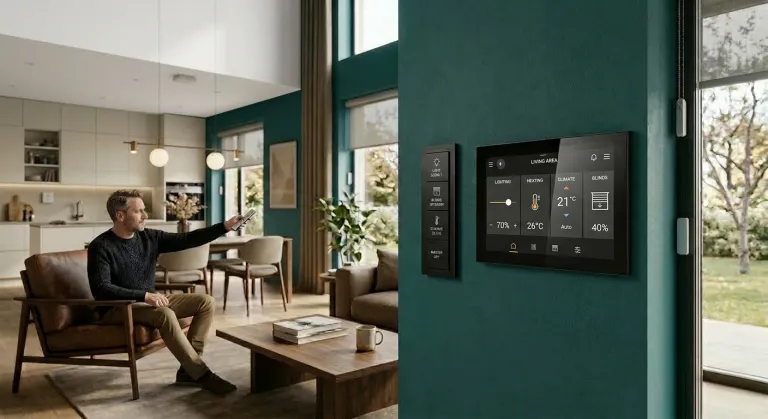
Smart home technology has transformed the way people interact with their homes. What was once considered a luxury is now becoming a practical investment that improves daily living while increasing a property’s market appeal. Modern smart devices offer convenience, greater energy efficiency, improved safety, and better control over household systems—all from a smartphone or voice assistant.
Whether you’re planning to stay in your home for many years or preparing to sell it in the future, investing in smart home upgrades can deliver long-term benefits. From intelligent lighting and security systems to automated climate control and connected appliances, today’s technology makes homes more comfortable, secure, and valuable than ever before.
This comprehensive guide explores the best smart home improvements, their advantages, installation considerations, and how they contribute to a more efficient and desirable home.
What Is a Smart Home?
A smart home uses internet-connected devices that communicate with each other to automate and control various household functions. These devices can often be managed remotely using mobile apps, tablets, voice assistants, or centralized control hubs.
Smart home systems may control:
- Lighting
- Heating and cooling
- Security cameras
- Door locks
- Garage doors
- Entertainment systems
- Kitchen appliances
- Irrigation systems
- Window coverings
- Smoke and carbon monoxide detectors
The goal is to make everyday living easier while improving safety, reducing energy consumption, and increasing convenience.
Benefits of Smart Home Upgrades
Installing smart technology offers several practical advantages beyond modern convenience.
Improved Daily Comfort
Automation allows homeowners to customize their living environment according to their schedules and preferences. Lights can turn on automatically, temperatures adjust throughout the day, and appliances operate when needed without manual effort.
Better Home Security
Modern smart security systems provide real-time alerts, remote monitoring, video recording, and automated locking systems that help protect families and property.
Lower Energy Bills
Many smart devices monitor energy use and optimize performance, helping reduce electricity, heating, and cooling costs throughout the year.
Increased Property Value
Homes equipped with modern smart features often attract more buyers because they offer convenience, efficiency, and updated technology.
Remote Access
Whether you’re at work or on vacation, you can monitor and control your home’s systems from almost anywhere using your smartphone.
Smart Thermostats
Heating and cooling account for a significant portion of household energy consumption.
Smart thermostats learn your schedule and automatically adjust temperatures to maximize comfort while minimizing wasted energy.
Popular features include:
- Learning daily routines
- Remote temperature control
- Energy usage reports
- Vacation mode
- Weather-based adjustments
- Voice assistant compatibility
Benefits include:
- Reduced utility bills
- More consistent indoor comfort
- Less wear on HVAC equipment
- Easy scheduling
Many homeowners recover the purchase cost through lower heating and cooling expenses over time.
Smart Lighting Systems
Lighting automation is one of the easiest smart home upgrades to install.
Smart bulbs, switches, and dimmers allow homeowners to control lighting from anywhere.
Features include:
- Scheduled lighting
- Motion activation
- Brightness adjustment
- Color-changing options
- Voice commands
- Sunrise and sunset automation
Advantages include:
- Increased convenience
- Lower electricity usage
- Improved home security
- Enhanced interior atmosphere
Lighting scenes can be customized for reading, entertaining, movie nights, or bedtime with a single command.
Smart Door Locks
Traditional locks provide security, but smart locks add convenience and greater control.
Features include:
- Keyless entry
- Smartphone unlocking
- Temporary access codes
- Fingerprint recognition
- Auto-lock functions
- Entry history
Benefits include:
- No lost keys
- Easy guest access
- Better rental property management
- Improved security monitoring
Homeowners can verify whether doors are locked even when away from home.
Video Doorbells
Video doorbells combine cameras, microphones, motion sensors, and internet connectivity.
They allow homeowners to:
- See visitors remotely
- Speak with delivery drivers
- Record suspicious activity
- Receive instant motion alerts
- Monitor package deliveries
These systems discourage theft and provide valuable video evidence if incidents occur.
Smart Security Cameras
Indoor and outdoor cameras significantly improve residential security.
Modern systems include:
- Night vision
- Motion detection
- Cloud storage
- AI-powered person detection
- Live streaming
- Smartphone alerts
Many cameras distinguish between people, vehicles, animals, and general movement, reducing false alarms.
Smart Alarm Systems
Connected alarm systems integrate multiple security components.
Typical systems include:
- Door sensors
- Window sensors
- Motion detectors
- Glass-break sensors
- Indoor sirens
- Professional monitoring options
Homeowners receive immediate notifications if unusual activity occurs.
Some systems automatically notify emergency responders.
Smart Smoke and Carbon Monoxide Detectors
Traditional alarms only sound inside the home.
Smart detectors send alerts directly to smartphones, even when homeowners are away.
Additional features include:
- Battery monitoring
- Voice notifications
- Self-testing
- Location-specific alerts
These devices improve emergency response times and increase household safety.
Smart Garage Door Openers
Garage doors are one of the most frequently used entrances.
Smart garage systems allow homeowners to:
- Open and close remotely
- Check door status
- Receive activity notifications
- Grant temporary access
- Schedule automatic closing
This upgrade improves both convenience and security.
Smart Window Blinds
Automated blinds improve energy efficiency while enhancing comfort.
Features include:
- Scheduled opening
- Light sensors
- Voice commands
- Remote operation
- Temperature-based adjustments
Benefits include:
- Better indoor temperature control
- Reduced glare
- Improved privacy
- Lower cooling costs
Smart Irrigation Systems
Outdoor water use can be reduced significantly with intelligent irrigation.
Smart controllers monitor:
- Weather forecasts
- Soil moisture
- Rainfall
- Seasonal changes
Advantages include:
- Lower water bills
- Healthier lawns
- Reduced water waste
- Automatic seasonal adjustments
Smart Kitchen Appliances
Connected appliances make cooking and food management more efficient.
Examples include:
Smart Refrigerators
Features may include:
- Internal cameras
- Inventory tracking
- Grocery reminders
- Temperature monitoring
- Family calendars
Smart Ovens
Users can:
- Preheat remotely
- Monitor cooking progress
- Receive completion alerts
- Access cooking programs
Smart Coffee Makers
These machines can prepare coffee automatically according to personalized schedules.
Smart Washing Machines
Modern washers and dryers provide:
- Remote monitoring
- Cycle notifications
- Automatic detergent recommendations
- Energy-saving programs
- Maintenance reminders
They help households manage laundry more efficiently.
Voice-Controlled Smart Assistants
Voice assistants serve as central controllers for connected devices.
They allow users to:
- Turn lights on or off
- Adjust thermostats
- Play music
- Create shopping lists
- Control entertainment systems
- Lock doors
- Check weather forecasts
Voice automation simplifies everyday tasks.
Smart Entertainment Systems
Home entertainment has become more integrated.
Popular upgrades include:
- Smart televisions
- Wireless speakers
- Multi-room audio
- Streaming devices
- Universal remote systems
These systems improve convenience while reducing cable clutter.
Smart Water Leak Detectors
Water damage can become extremely expensive if leaks go unnoticed.
Leak sensors detect:
- Burst pipes
- Appliance leaks
- Basement flooding
- Water heater failures
Some systems automatically shut off the home’s water supply after detecting major leaks.
Smart Energy Monitoring Systems
Whole-home energy monitors help homeowners understand electricity usage.
These systems track:
- Daily consumption
- Appliance usage
- Peak demand
- Historical trends
The information helps families reduce unnecessary energy waste.
Smart Plugs and Smart Switches
These affordable upgrades make ordinary appliances smarter.
They allow homeowners to:
- Schedule operation
- Monitor energy use
- Control devices remotely
- Create automation routines
Common uses include lamps, fans, coffee makers, and holiday decorations.
Whole-Home Smart Hubs
As more devices are installed, managing them individually becomes difficult.
A smart hub connects multiple devices into one centralized platform.
Benefits include:
- Unified control
- Better automation
- Improved compatibility
- Simplified management
Automation examples include:
- Lock doors when everyone leaves.
- Turn lights off automatically at bedtime.
- Activate security cameras after sunset.
- Lower the thermostat when windows open.
- Turn on pathway lights after motion detection.
Energy Efficiency and Sustainability
Smart technology contributes to environmentally responsible living.
Energy-saving improvements include:
- Smart thermostats
- LED lighting
- Automated blinds
- Efficient irrigation
- Appliance monitoring
- Occupancy sensors
Reduced energy consumption benefits both homeowners and the environment.
Smart Home Features Buyers Value Most
When selling a property, certain smart upgrades often appeal to buyers.
High-value features include:
- Smart thermostats
- Video doorbells
- Security systems
- Smart locks
- Automated lighting
- Smart garage doors
- Leak detection systems
Buyers appreciate homes that require fewer upgrades after purchase.
Installation Considerations
Before purchasing smart home products, consider:
Internet Reliability
A strong Wi-Fi network is essential for consistent device performance.
Compatibility
Choose products that work together within the same ecosystem whenever possible.
Security
Always:
- Use strong passwords
- Enable two-factor authentication
- Update firmware regularly
- Secure your home network
Future Expansion
Select devices that allow additional smart products to be added later.
Common Mistakes to Avoid
Many homeowners encounter problems by overlooking important planning steps.
Avoid these mistakes:
- Buying incompatible devices
- Ignoring cybersecurity
- Choosing products without software support
- Overcomplicating automation
- Forgetting battery maintenance
- Installing cameras in inappropriate locations
- Overlooking Wi-Fi coverage
Planning ahead ensures a smoother smart home experience.
Budget-Friendly Smart Home Upgrades
Not every improvement requires a large investment.
Affordable upgrades include:
- Smart plugs
- Smart bulbs
- Video doorbells
- Wi-Fi garage controllers
- Smart speakers
- Motion sensors
- Smart thermostats
- Leak detectors
These products offer noticeable improvements without major renovations.
Premium Smart Home Investments
For homeowners seeking a fully connected experience, larger upgrades include:
- Whole-home automation systems
- Integrated security monitoring
- Motorized window coverings
- Smart HVAC zoning
- Centralized lighting systems
- Whole-home audio
- Advanced surveillance networks
- Smart electrical panels
Although these systems cost more, they can significantly improve comfort and property appeal.
Is a Smart Home Worth the Investment?
For most homeowners, smart technology delivers meaningful benefits that extend beyond convenience. Increased energy efficiency helps lower utility bills, while enhanced security provides greater peace of mind. Automation simplifies daily routines, making everyday tasks faster and more efficient.
From a financial perspective, many buyers actively seek homes equipped with modern technology. Properties that already include desirable smart features often stand out in competitive real estate markets, potentially leading to quicker sales and stronger offers.
The best approach is to invest gradually, starting with high-impact upgrades such as smart thermostats, lighting, security cameras, and door locks before expanding into more advanced automation.
Conclusion
Smart home upgrades have become one of the most practical ways to improve comfort, security, energy efficiency, and long-term property value. Whether installing a single smart thermostat or building a fully connected home, each improvement contributes to a more convenient and efficient lifestyle.
The most successful smart homes are built with thoughtful planning, reliable technology, and a focus on solving everyday challenges rather than simply adding gadgets. By choosing compatible devices, prioritizing security, and investing in features that deliver real-world benefits, homeowners can create living spaces that are safer, more comfortable, and better prepared for the future.
As technology continues to evolve, smart home improvements will remain one of the most valuable investments for homeowners looking to enhance both their quality of life and the overall appeal of their property.