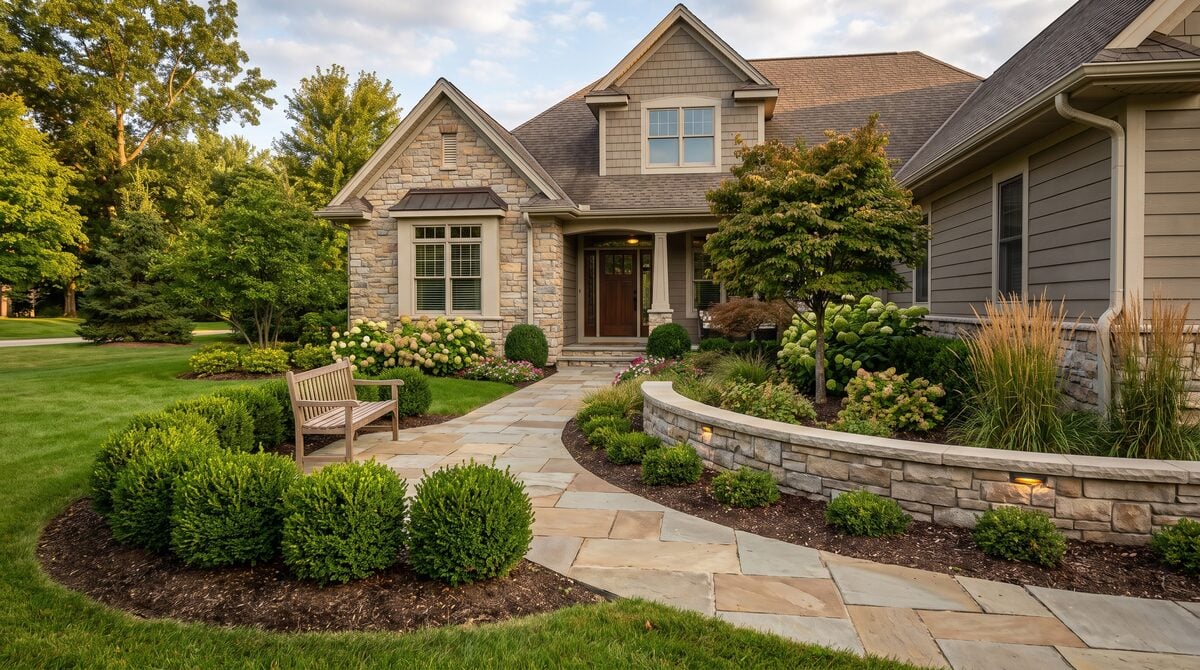
Introduction
The exterior of a home creates the first impression long before anyone steps inside. A thoughtfully designed landscape not only enhances beauty but also reflects how well a property has been maintained. Whether you are preparing to sell your home or simply want to enjoy a more inviting outdoor space, investing in landscaping is one of the smartest improvements you can make.
Unlike many interior renovations that appeal to personal preferences, attractive landscaping has broad appeal. Healthy lawns, colorful plants, well-designed walkways, outdoor lighting, and functional living spaces make homes more welcoming while increasing their market value. According to real estate professionals, buyers often decide whether they are interested in a property within the first few moments of seeing it, making curb appeal an essential part of any home’s presentation.
This comprehensive guide explores practical landscaping ideas that improve curb appeal, create enjoyable outdoor environments, and increase property value without requiring every project to be expensive.
Why Landscaping Matters
Landscaping is far more than planting flowers around a house. It combines design, functionality, environmental responsibility, and long-term maintenance into one cohesive outdoor plan.
Well-designed landscaping offers several advantages:
- Creates an attractive first impression
- Increases perceived home value
- Makes outdoor spaces more functional
- Reduces erosion and improves drainage
- Provides shade and cooling during summer
- Improves privacy
- Supports local wildlife and pollinators
- Enhances overall neighborhood appearance
Even modest landscaping improvements can dramatically transform the appearance of an ordinary home.
Start with a Healthy Lawn
A lush green lawn remains one of the strongest symbols of a well-maintained property. While not every home requires a large grassy yard, keeping existing turf healthy immediately improves curb appeal.
Proper lawn care includes:
- Regular mowing
- Seasonal fertilization
- Weed control
- Aeration
- Overseeding thin areas
- Deep watering instead of frequent shallow watering
Brown patches, weeds, and uneven growth can make even beautiful homes appear neglected.
If maintaining natural grass is difficult due to climate or water restrictions, consider drought-resistant turf varieties or attractive ground covers that require less maintenance.
Create Defined Garden Beds
One of the easiest ways to elevate landscaping is by adding clearly defined planting beds.
Garden beds create structure and visual interest around:
- Front entrances
- Walkways
- Driveways
- Mailboxes
- Foundations
- Property corners
Curved beds often create a softer, more natural appearance, while straight lines complement modern homes.
Use edging materials such as:
- Brick
- Natural stone
- Steel edging
- Concrete borders
- Decorative pavers
Defined borders make landscaping appear professionally designed.
Plant Trees for Beauty and Long-Term Value
Trees are among the most valuable landscaping investments.
They provide:
- Shade
- Privacy
- Wildlife habitat
- Lower cooling costs
- Seasonal beauty
- Increased property value
Choose species appropriate for your local climate and available space.
Popular landscape tree categories include:
Shade Trees
Large trees help cool homes during summer.
Examples include:
- Maple
- Oak
- Elm
- Linden
Ornamental Trees
Smaller flowering trees provide year-round interest.
Examples include:
- Dogwood
- Japanese Maple
- Redbud
- Magnolia
- Crape Myrtle
Plant trees far enough from foundations and utility lines to avoid future problems.
Add Layers with Shrubs
Shrubs provide structure throughout every season.
Instead of planting a single row of identical bushes, combine various heights, textures, and colors.
Layering creates depth by arranging:
- Taller shrubs in the back
- Medium shrubs in the middle
- Smaller flowering plants in front
Evergreen shrubs maintain year-round color, while flowering varieties provide seasonal highlights.
Popular choices include:
- Boxwood
- Hydrangea
- Azalea
- Holly
- Juniper
- Viburnum
Use Seasonal Flowers Strategically
Flowers instantly make homes feel welcoming.
Instead of scattering flowers randomly, plant them where they create maximum visual impact.
Ideal locations include:
- Front porch
- Mailbox
- Entry walkway
- Window boxes
- Foundation beds
Combine annuals for vibrant seasonal color with perennials that return each year.
Popular flowering plants include:
- Petunias
- Marigolds
- Lavender
- Coneflowers
- Black-eyed Susans
- Salvia
- Daylilies
Selecting plants with staggered bloom times ensures color throughout the growing season.
Upgrade Walkways and Pathways
Walkways guide visitors while contributing significantly to curb appeal.
Replace cracked concrete with attractive materials such as:
- Natural stone
- Brick pavers
- Concrete pavers
- Flagstone
- Decorative stamped concrete
- Gravel with edging
Gentle curves often create a more inviting appearance than perfectly straight paths.
Proper lighting along walkways also improves safety after dark.
Design an Inviting Front Entrance
The front entrance serves as the focal point of the home’s exterior.
Enhance it with:
- Matching planters
- Fresh mulch
- Decorative lighting
- Modern house numbers
- Comfortable seating
- Attractive doormats
- Symmetrical landscaping
Even repainting the front door in a complementary color can dramatically improve first impressions.
Install Outdoor Lighting
Landscape lighting adds elegance while improving security.
Consider illuminating:
- Walkways
- Garden beds
- Trees
- Entryways
- Steps
- Water features
- Patios
Popular lighting options include:
- LED path lights
- Solar garden lights
- Spotlights
- Uplighting
- String lights
- Wall-mounted fixtures
Warm white lighting typically creates the most welcoming atmosphere.
Refresh Mulch Regularly
Fresh mulch instantly makes landscape beds appear neat and professionally maintained.
Benefits include:
- Moisture retention
- Weed suppression
- Temperature regulation
- Improved soil health
- Cleaner appearance
Popular mulch materials include:
- Shredded hardwood
- Pine bark
- Cedar mulch
- Pine straw
- Decorative stone
Refreshing mulch annually keeps planting beds looking fresh and vibrant.
Add Decorative Stone Features
Stone elements create texture while requiring minimal maintenance.
Ideas include:
- Rock gardens
- Boulder accents
- Dry creek beds
- Stone borders
- Gravel pathways
- Decorative river rock
Natural stone pairs well with nearly every architectural style.
Build Functional Outdoor Living Spaces
Modern buyers increasingly value outdoor living.
Consider creating:
- Patios
- Fire pit areas
- Outdoor kitchens
- Dining spaces
- Pergolas
- Seating walls
- Covered porches
These features effectively extend usable living space beyond the home’s interior.
Incorporate Water Features
Water creates a peaceful atmosphere while serving as an eye-catching focal point.
Popular options include:
- Small fountains
- Pondless waterfalls
- Reflecting pools
- Birdbaths
- Garden ponds
Choose features that match the scale of your property and remain easy to maintain.
Install Privacy Landscaping
Strategically placed landscaping can provide privacy without sacrificing beauty.
Excellent privacy plants include:
- Arborvitae
- Holly
- Bamboo (non-invasive varieties)
- Cypress
- Evergreen hedges
Living privacy screens often appear more attractive than tall fences alone.
Choose Native Plants
Native plants are adapted to local climate conditions.
Advantages include:
- Lower maintenance
- Reduced water requirements
- Greater disease resistance
- Support for birds and pollinators
- Long-term sustainability
They also require fewer fertilizers and pesticides than many exotic species.
Improve Drainage Naturally
Standing water damages landscapes and discourages buyers.
Solutions include:
- French drains
- Rain gardens
- Dry creek beds
- Proper grading
- Permeable pavers
Managing water effectively protects both landscaping and the home’s foundation.
Don’t Forget the Backyard
Although front-yard curb appeal attracts buyers, the backyard often influences purchasing decisions.
Enhancements include:
- Shade trees
- Garden seating
- Outdoor lighting
- Privacy screens
- Flower beds
- Vegetable gardens
- Entertainment areas
A well-designed backyard creates an inviting extension of indoor living space.
Maintain Landscaping Throughout the Year
Beautiful landscaping requires consistent care.
Seasonal maintenance should include:
- Spring cleanup
- Summer watering
- Fall leaf removal
- Winter pruning when appropriate
- Regular edging
- Fertilizing
- Mulching
- Pest management
Routine maintenance preserves both beauty and property value.
Budget-Friendly Landscaping Improvements
Improving curb appeal does not always require a major investment.
Affordable projects include:
- Adding fresh mulch
- Planting colorful flowers
- Repainting fences
- Installing solar lights
- Trimming overgrown shrubs
- Pressure washing walkways
- Replacing worn house numbers
- Adding decorative planters
- Repairing lawn damage
- Creating simple flower borders
Small changes often produce surprisingly dramatic results.
Common Landscaping Mistakes to Avoid
Avoid these common errors:
- Overcrowding plants
- Choosing invasive species
- Ignoring drainage issues
- Planting trees too close to the home
- Using too many landscape styles at once
- Neglecting regular maintenance
- Installing oversized features on small properties
- Forgetting year-round visual interest
Thoughtful planning prevents expensive corrections later.
Final Thoughts
Landscaping is one of the most rewarding home improvements because it enhances both everyday enjoyment and long-term property value. From healthy lawns and colorful flower beds to elegant lighting, mature trees, and inviting outdoor living spaces, every improvement contributes to a more attractive and functional home.
The best landscapes evolve over time rather than appearing overnight. By focusing on quality design, selecting appropriate plants, maintaining outdoor spaces consistently, and investing in improvements that complement your home’s architecture, you can create an exterior that stands out in any neighborhood while providing lasting value for years to come.
If you’d like, I can also create an expanded 2,500–3,000+ word SEO-optimized version with FAQs, expert tips, and a meta title and meta description.