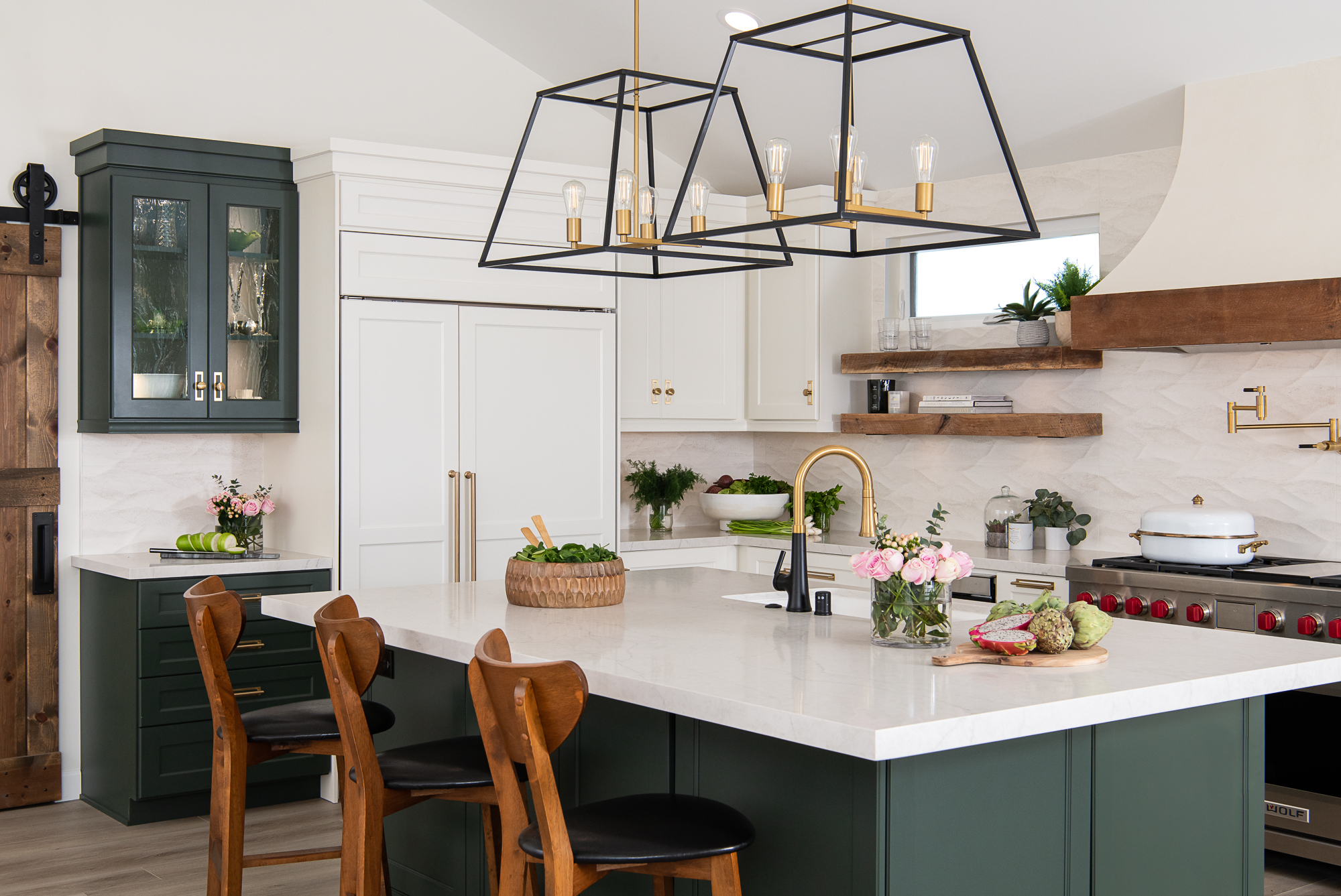
Living in a small space doesn’t mean you have to compromise on comfort, style, or functionality. In fact, smaller homes often inspire the most creative and efficient design solutions. Whether you’re in a compact apartment, a studio, or a cozy house, the right home improvement strategies can completely transform your environment. With thoughtful planning and smart upgrades, even the tiniest spaces can feel open, organized, and inviting.
This comprehensive guide explores powerful home improvement tips that deliver maximum impact in minimal square footage. These ideas are practical, budget-friendly, and designed to help you make the most of every inch.
Understanding the Power of Small Spaces
Before diving into improvements, it’s important to shift your mindset. Small spaces are not limitations—they are opportunities. They encourage intentional living, where every item has a purpose and every design choice matters.
A well-designed small home can:
- Feel more comfortable and manageable
- Require less maintenance
- Encourage organization and simplicity
- Reflect a clean and modern aesthetic
The key is to focus on efficiency, functionality, and visual openness.
Declutter First, Upgrade Second
One of the most impactful changes you can make doesn’t require tools or money—just time and discipline.
Why Decluttering Matters
Clutter can make even a moderately sized room feel cramped and overwhelming. By removing unnecessary items, you instantly create more breathing room.
How to Declutter Effectively
- Start with one room at a time
- Use the “keep, donate, discard” method
- Be honest about what you actually use
- Avoid holding onto items “just in case”
Once your space is decluttered, you’ll have a clear vision of what improvements are truly needed.
Multi-Functional Furniture is a Game-Changer
In small spaces, furniture should work harder for you. Choosing pieces that serve multiple purposes helps reduce clutter and maximize usability.
Smart Furniture Ideas
- Sofa beds for living rooms that double as guest rooms
- Storage ottomans that provide seating and hidden compartments
- Foldable dining tables that can expand when needed
- Beds with built-in drawers for extra storage
Investing in versatile furniture is one of the most effective ways to increase both functionality and comfort.
Use Vertical Space to Your Advantage
When floor space is limited, think vertically. Walls offer valuable real estate that often goes unused.
Vertical Design Strategies
- Install floating shelves for books, decor, or storage
- Use tall cabinets instead of wide ones
- Hang hooks for bags, coats, or kitchen utensils
- Mount your TV to free up surface space
Vertical storage not only saves space but also draws the eye upward, making the room feel taller and more open.
Light Colors Create the Illusion of Space
Color plays a huge role in how a room feels. Light and neutral tones can make a small space appear larger and brighter.
Best Color Choices
- Whites, creams, and soft grays
- Pastel shades for subtle personality
- Light wood finishes for warmth
Avoid dark, heavy colors on walls, as they can make the space feel enclosed. If you love bold colors, use them as accents instead.
Mirrors: The Secret to Visual Expansion
Mirrors are one of the oldest and most effective tricks in interior design. They reflect light and create the illusion of depth.
How to Use Mirrors Effectively
- Place a large mirror opposite a window to reflect natural light
- Use mirrored furniture for a sleek look
- Create a gallery wall with multiple mirrors
This simple addition can instantly make your room feel twice as big.
Smart Lighting Makes a Big Difference
Lighting can transform the mood and perception of space. Poor lighting can make a room feel small and dull, while well-planned lighting opens it up.
Lighting Tips for Small Spaces
- Use layered lighting (ambient, task, and accent)
- Install wall-mounted lights instead of floor lamps
- Choose LED strip lights for under cabinets or shelves
- Maximize natural light by keeping windows unobstructed
Bright, well-lit spaces always feel larger and more inviting.
Optimize Storage with Hidden Solutions
Storage is often the biggest challenge in small homes. The solution lies in creative, hidden storage options.
Clever Storage Ideas
- Under-bed storage boxes
- Built-in wall niches
- Storage benches in entryways
- Cabinets that reach the ceiling
Hidden storage keeps your space organized without adding visual clutter.
Open Layouts Enhance Flow
If possible, consider creating an open layout. Removing unnecessary barriers can significantly improve the flow of your home.
Ways to Open Up Space
- Remove non-structural walls
- Use curtains or sliding doors instead of solid partitions
- Combine kitchen and living areas
An open layout allows light and air to move freely, making the space feel larger.
Minimalism is Your Best Friend
Adopting a minimalist approach doesn’t mean sacrificing style—it means being intentional.
Principles of Minimalist Design
- Keep only essential furniture
- Choose quality over quantity
- Maintain clean surfaces
- Use simple, cohesive decor
A minimalist space feels calm, organized, and visually appealing.
Make Use of Corners
Corners are often overlooked but can be incredibly useful.
Corner Utilization Ideas
- Corner shelves for storage or decor
- L-shaped desks for workspaces
- Cozy reading nooks with a chair and lamp
Using corners effectively ensures no space goes to waste.
Sliding Doors Save Space
Traditional doors require clearance to open, which can limit furniture placement. Sliding doors are a smart alternative.
Benefits of Sliding Doors
- Save floor space
- Add a modern touch
- Improve room flow
They are especially useful for closets, bathrooms, and small bedrooms.
Add Personality Without Overcrowding
Even in small spaces, your home should reflect your personality. The trick is to decorate thoughtfully.
Decor Tips
- Use a few statement pieces instead of many small items
- Hang artwork instead of placing decor on surfaces
- Choose functional decor like stylish storage baskets
Balance is key—avoid over-decorating.
Smart Kitchen Upgrades for Small Spaces
The kitchen is often the heart of the home, but it can be challenging in tight spaces.
Kitchen Improvement Ideas
- Install pull-out shelves and organizers
- Use magnetic strips for knives
- Hang pots and pans on wall racks
- Choose compact appliances
A well-organized kitchen improves both efficiency and aesthetics.
Bathroom Improvements That Maximize Space
Small bathrooms can feel cramped, but smart design can change that.
Bathroom Tips
- Use wall-mounted sinks and toilets
- Install shelves above the toilet
- Choose clear glass shower doors
- Use light tiles and mirrors
These upgrades create a cleaner and more open look.
Flooring Choices Matter
Flooring can influence how spacious your home feels.
Best Flooring Tips
- Use the same flooring throughout to create continuity
- Choose light-colored materials
- Consider large tiles or planks to reduce visual breaks
Consistent flooring makes your space feel seamless and larger.
Incorporate Smart Technology
Technology can help you optimize space and improve functionality.
Smart Home Ideas
- Smart lighting systems
- Voice-controlled assistants
- Compact, multi-use gadgets
These additions make your home more efficient without taking up extra space.
Create Zones in Open Spaces
Even in a small area, defining zones can improve organization and usability.
How to Create Zones
- Use rugs to separate areas
- Arrange furniture strategically
- Use shelving units as dividers
This helps your space feel structured without being closed off.
Plants Bring Life Without Taking Much Space
Adding greenery can enhance the atmosphere of your home.
Best Plant Ideas for Small Spaces
- Hanging plants
- Wall-mounted planters
- Small potted plants on shelves
Plants improve air quality and add a refreshing touch.
Personal Workspace in Small Homes
With more people working from home, creating a workspace is essential.
Workspace Tips
- Use foldable desks
- Convert unused corners into work areas
- Use vertical storage for office supplies
A compact yet functional workspace boosts productivity.
Final Thoughts
Transforming a small space into a beautiful and functional home is completely achievable with the right approach. It’s not about how much space you have—it’s about how you use it. By focusing on smart design, efficient storage, and thoughtful decor, you can create a home that feels spacious, stylish, and uniquely yours.
Small spaces hold big potential. With creativity, planning, and a few strategic improvements, you can turn even the smallest area into a place you truly love.