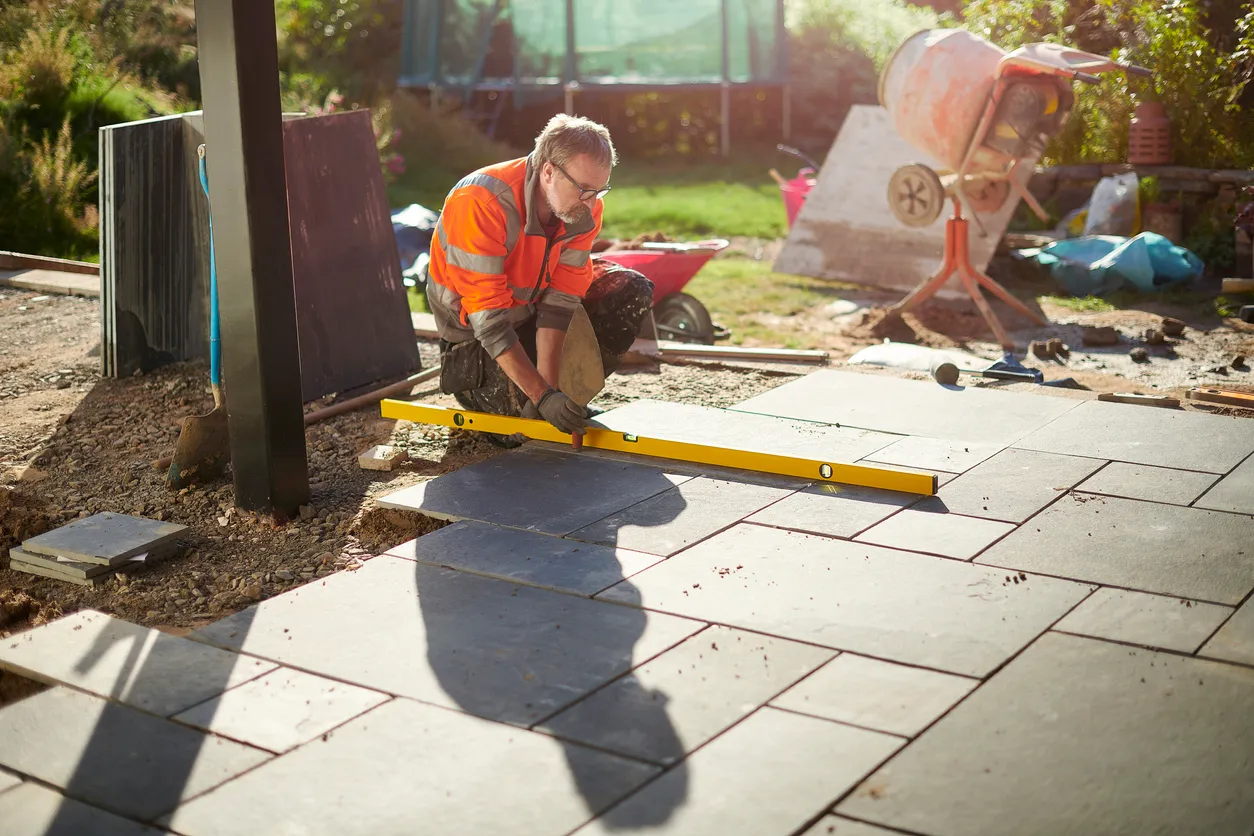
Choosing between a deck and a patio is one of the biggest decisions homeowners face when upgrading their outdoor living space. Both options create a comfortable area for relaxing, entertaining guests, dining outdoors, or increasing usable living space. However, they differ significantly in cost, installation process, maintenance, durability, appearance, and long-term value.
The right choice depends on your budget, landscape, climate, lifestyle, and future plans for your home. While decks provide elevated views and flexible designs, patios offer exceptional durability with minimal maintenance.
Understanding the Difference
Although both serve similar purposes, decks and patios are built differently.A deck is an elevated platform constructed above ground. It is commonly made from wood or composite materials and supported by posts and beams. Decks are ideal for sloped yards or homes with raised entrances.
A patio is a ground-level outdoor surface built directly on prepared soil or gravel. Patios are typically made from concrete, pavers, brick, or natural stone and blend naturally with landscaping.Understanding this structural difference makes it easier to compare their strengths and weaknesses.
Initial Installation Costs
Budget often becomes the deciding factor.
Deck Building Costs
Deck construction generally costs more because it requires:
- Structural framing
- Footings
- Support posts
- Railings
- Stairs (if elevated)
- Hardware and fasteners
Material selection greatly affects pricing.
Pressure-treated lumber is usually the least expensive option, while cedar, redwood, tropical hardwoods, and composite decking increase costs substantially.
Labor expenses are also higher since decks require carpentry expertise and structural engineering.
Patio Installation Costs
Patios usually have lower construction costs.
Installation typically involves:
- Excavation
- Gravel base
- Sand leveling
- Concrete pouring or paver installation
- Joint filling
Simple concrete patios remain among the most affordable outdoor upgrades, while premium natural stone patios cost considerably more.
Even luxury patios generally cost less than large elevated decks.
Material Comparison
The materials you choose determine appearance, lifespan, maintenance, and total investment.
Common Deck Materials
Pressure-Treated Lumber
- Affordable
- Easy to repair
- Widely available
- Requires regular sealing
Cedar
- Attractive natural appearance
- Naturally resistant to insects
- Moderate maintenance
- Soft surface prone to scratches
Redwood
- Rich color
- Excellent durability
- Higher price
- Requires periodic maintenance
Composite Decking
- Low maintenance
- Fade resistant
- Long lifespan
- Higher upfront cost
PVC Decking
- Completely synthetic
- Resistant to moisture
- Does not rot
- Premium pricing
Common Patio Materials
Concrete
- Affordable
- Durable
- Many finish options
- Can crack over time
Stamped Concrete
- Decorative appearance
- Mimics stone or brick
- Lower cost than natural stone
- Requires sealing
Brick
- Timeless design
- Easy repairs
- Traditional appearance
- Weed growth between joints
Concrete Pavers
- Huge design flexibility
- Individual repairs possible
- Long lifespan
- Higher installation cost
Natural Stone
- Premium appearance
- Extremely durable
- Unique textures
- Highest material cost
Installation Time
Project duration varies depending on complexity.
Deck Installation
Small decks often require one to two weeks.
Larger custom projects with multiple levels, built-in seating, lighting, or pergolas may take several weeks.
Permit approval can also delay construction.
Patio Installation
Simple patios can often be completed within several days.
Larger paver installations usually require one to two weeks depending on weather conditions and site preparation.
Because patios involve less structural work, they are generally completed faster.
Maintenance Requirements
Maintenance plays a major role in long-term ownership costs.
Deck Maintenance
Wood decks require regular upkeep.
Typical maintenance includes:
- Annual cleaning
- Power washing
- Sealing every few years
- Staining
- Replacing damaged boards
- Checking loose fasteners
- Inspecting structural supports
Without proper maintenance, wood decks may develop:
- Rot
- Splinters
- Mold
- Mildew
- Insect damage
Composite decking significantly reduces maintenance but still benefits from occasional cleaning.
Patio Maintenance
Patios require much less maintenance.
Typical tasks include:
- Sweeping
- Pressure washing
- Weed removal
- Replacing joint sand
- Resealing natural stone or stamped concrete when needed
Concrete and stone surfaces resist insects, moisture, and rot far better than wood.
Durability and Lifespan
Outdoor structures experience constant exposure to weather.
Deck Lifespan
Pressure-treated wood decks generally last 15 to 25 years with proper care.
Cedar and redwood often last longer if maintained.
Composite decking frequently exceeds 30 years because it resists moisture, insects, and fading.
Structural framing should be inspected periodically regardless of decking material.
Patio Lifespan
Concrete patios commonly last 30 to 40 years.
Paver patios often exceed 40 years because damaged pavers can be individually replaced.
Natural stone patios may last several generations with minimal maintenance.
Overall, patios usually have longer service lives.
Design Flexibility
Outdoor living spaces should reflect your home’s style.
Deck Design Possibilities
Decks provide exceptional design flexibility.
Popular features include:
- Multiple levels
- Built-in benches
- Outdoor kitchens
- Pergolas
- Privacy screens
- Fire pits
- Lighting systems
- Planters
- Glass railings
- Cable railings
Decks also work exceptionally well around swimming pools and elevated landscapes.
Patio Design Possibilities
Patios integrate beautifully into landscaping.
Popular additions include:
- Fire pits
- Outdoor fireplaces
- Water features
- Stone walkways
- Retaining walls
- Garden beds
- Pergolas
- Outdoor dining areas
- Built-in grills
Decorative pavers allow endless color and pattern combinations.
Performance in Different Climates
Climate greatly affects long-term performance.
Decks in Wet Climates
Wood decks require more maintenance in rainy regions.
Excess moisture increases the risk of:
- Rot
- Mold
- Warping
- Mildew
Composite decking performs much better under these conditions.
Patios in Wet Climates
Proper drainage is essential.
Poor drainage can lead to:
- Standing water
- Erosion
- Frost damage
- Surface movement
Well-installed patios with adequate grading perform exceptionally well.
Snow and Ice
Both decks and patios handle winter conditions effectively.
However:
- Wooden decks may become slippery.
- Concrete may crack during freeze-thaw cycles.
- Pavers typically handle seasonal movement better than poured concrete.
Comfort During Hot Weather
Surface temperature affects usability.
Wood decks generally remain cooler than concrete under direct sunlight.
Composite decking can become quite warm depending on color.
Natural stone varies by material.
Light-colored pavers usually remain cooler than dark concrete.
Adding shade structures improves comfort regardless of the surface.
Drainage Considerations
Proper water management extends the life of any outdoor project.
Decks naturally allow rainwater to pass through board gaps.
Patios require carefully planned grading so water flows away from the house.
Professional installation ensures drainage problems are avoided.
Safety Factors
Safety should always be considered.
Deck Safety
Elevated decks require:
- Strong railings
- Secure stairs
- Proper structural engineering
- Routine inspections
Loose boards and unstable railings create hazards if maintenance is neglected.
Patio Safety
Patios eliminate fall risks associated with elevated structures.
However, uneven pavers or cracked concrete can create trip hazards if ignored.
Textured finishes improve slip resistance around pools.
Environmental Impact
Sustainability matters for many homeowners.
Wood from responsibly managed forests remains a renewable material.
Composite decking often incorporates recycled plastics and wood fibers.
Concrete production generates significant carbon emissions.
Natural stone generally has a lower environmental impact over its long lifespan due to exceptional durability.
Best Uses for Decks
A deck may be the better choice if your property includes:
- Steep slopes
- Elevated home entrances
- Scenic views
- Uneven terrain
- Multi-level landscaping
Decks create outdoor spaces where patios would require expensive excavation or retaining walls.
Best Uses for Patios
Patios are ideal when your property features:
- Flat land
- Large backyards
- Garden-focused landscaping
- Outdoor cooking areas
- Fire pit gathering spaces
They also accommodate heavy outdoor furniture more effectively than elevated decks.
Property Value Comparison
Outdoor improvements often increase buyer interest.
Deck Return on Investment
Well-built decks remain highly desirable.
Potential buyers appreciate:
- Additional entertaining space
- Attractive backyard appearance
- Modern outdoor living features
Composite decks are especially appealing because they require less maintenance.
Patio Return on Investment
Patios also improve resale value.
Their advantages include:
- Lower maintenance
- Long lifespan
- Universal appeal
- Attractive landscaping integration
Many buyers appreciate patios because they require fewer repairs over time.
Overall, both projects can improve marketability when professionally installed and designed to match the home.
Which Option Is Easier to Repair?
Patios generally have simpler repair processes.
Individual pavers can be removed and replaced without affecting the surrounding area.
Concrete repairs may be visible but remain straightforward.
Deck repairs depend on construction.
Individual boards are often easy to replace, but structural repairs involving posts or framing can become expensive.
Customization Opportunities
Both options support numerous upgrades.
Deck enhancements include:
- LED lighting
- Built-in seating
- Cable railings
- Outdoor televisions
- Covered roofs
- Multi-level platforms
Patio upgrades include:
- Decorative borders
- Outdoor kitchens
- Water fountains
- Stone fireplaces
- Garden pathways
- Landscape lighting
The surrounding landscape often determines which design feels more natural.
Long-Term Ownership Costs
Initial installation represents only part of the investment.
Wood decks require recurring expenses for:
- Stain
- Sealant
- Cleaning products
- Board replacement
- Structural inspections
Composite decks reduce these costs significantly.
Patios generally incur lower lifetime expenses because maintenance requirements remain minimal.
Which Option Should You Choose?
A deck is usually the better investment if:
- Your yard has steep slopes.
- You want elevated views.
- Your home has a raised entrance.
- You prefer the appearance of wood.
- You plan to add multiple outdoor living features.
A patio is often the smarter choice if:
- Your yard is relatively flat.
- You prefer minimal maintenance.
- You want maximum durability.
- You have a tighter budget.
- You enjoy landscaping and outdoor entertaining.
Final Thoughts
Both decks and patios transform outdoor spaces into functional extensions of the home, but they excel in different situations. Decks offer elevated views, flexible layouts, and striking architectural appeal, making them ideal for sloped properties and raised homes. Patios, on the other hand, stand out for their affordability, durability, low maintenance, and seamless integration with landscaping.
Before making your decision, evaluate your property’s terrain, climate, maintenance expectations, budget, and long-term goals. Investing in quality materials and professional installation—whether you choose a deck or a patio—will create an outdoor living space that enhances your lifestyle while adding lasting value to your property.