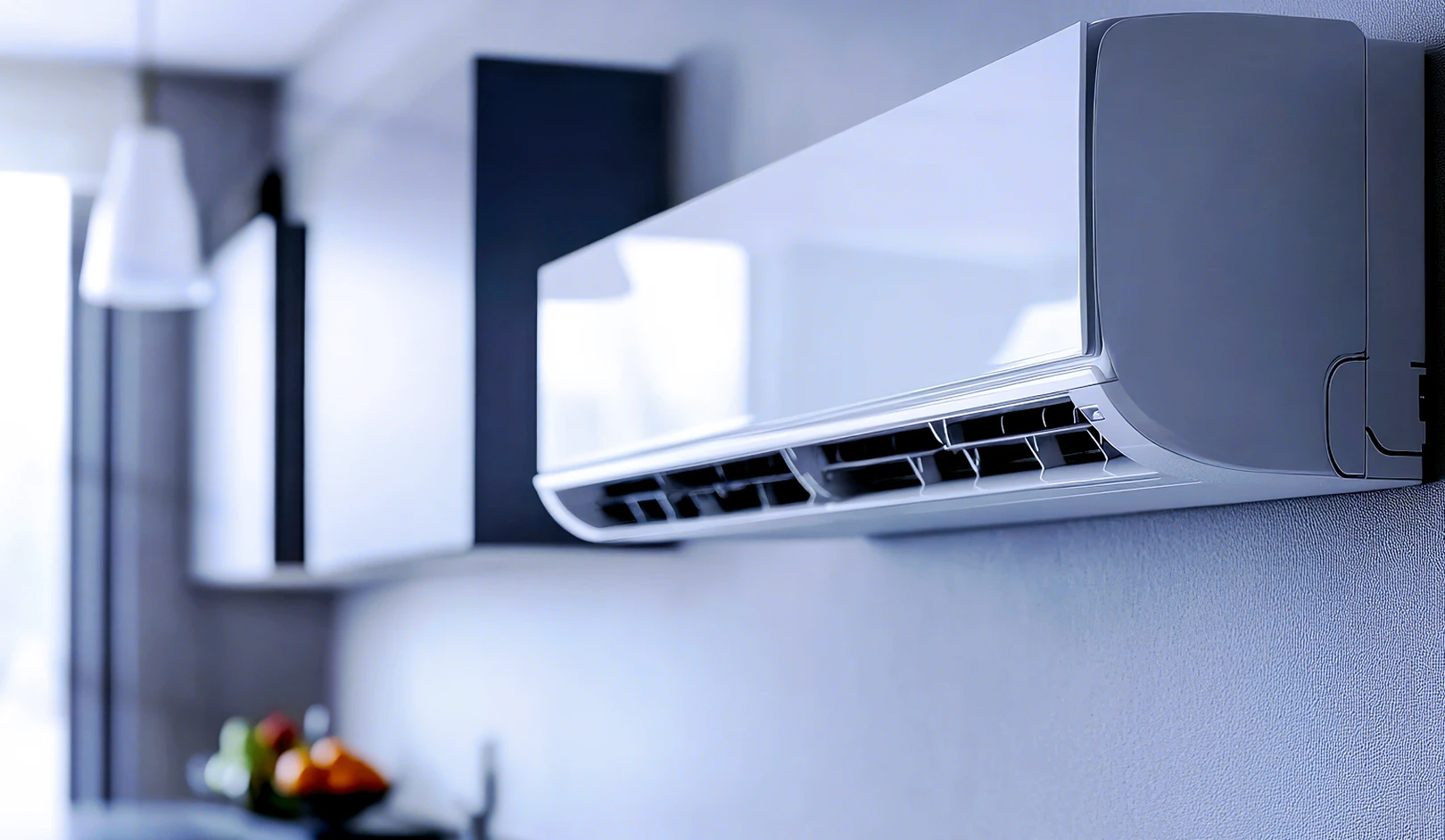
Choosing the right HVAC system is one of the most important decisions you can make as a homeowner. Heating, ventilation, and air conditioning systems are responsible for keeping your home comfortable throughout the year while also affecting your monthly energy bills, indoor air quality, and property value.
With so many options available, finding the ideal HVAC system can seem overwhelming. From traditional furnaces and central air conditioners to modern heat pumps and ductless mini-splits, every system offers unique advantages depending on your home’s size, climate, and budget.
What Is an HVAC System?
HVAC stands for Heating, Ventilation, and Air Conditioning. Together, these components regulate indoor temperature, humidity, and airflow to create a comfortable living environment.
A complete HVAC system may include:
- Furnace
- Heat pump
- Central air conditioner
- Ductwork
- Thermostat
- Air handler
- Ventilation system
- Air filters
- Humidifier or dehumidifier
Not every home requires every component, but most modern systems combine several of these elements.
Why Choosing the Right HVAC System Matters
An HVAC system typically lasts between 15 and 25 years. Since it’s a long-term investment, choosing the wrong system can lead to:
- High utility bills
- Uneven temperatures
- Frequent repairs
- Poor indoor air quality
- Reduced home value
Selecting the proper equipment improves comfort while lowering operating costs for many years.
Factors to Consider Before Buying an HVAC System
Climate
Your local weather should influence your decision.Cold climates often benefit from high-efficiency furnaces or dual-fuel systems.
Moderate climates usually perform well with heat pumps because they provide both heating and cooling.Hot climates may prioritize efficient air conditioning with supplemental heating.
Home Size
An oversized system cycles on and off too frequently, wasting energy and creating uneven temperatures.An undersized system struggles to maintain comfortable temperatures and wears out faster.
Professional contractors perform a load calculation that considers:
- Square footage
- Ceiling height
- Insulation
- Number of windows
- Sun exposure
- Local climate
- Number of occupants
This calculation ensures your HVAC equipment is properly sized.
Energy Efficiency
A more efficient HVAC system costs more upfront but saves money every month through lower energy consumption.
Energy-efficient systems also reduce environmental impact.
Budget
Think beyond the purchase price.
Include:
- Installation
- Maintenance
- Repairs
- Utility bills
- Expected lifespan
- Warranty coverage
A lower-priced unit isn’t always the most affordable over its lifetime.
Understanding Different HVAC Systems
Central Air Conditioning
Central air conditioning remains one of the most popular cooling solutions.
Advantages include:
- Even cooling throughout the home
- Quiet operation
- Improved indoor comfort
- Compatibility with existing ductwork
However, homes without ducts may require expensive installation.
Heat Pumps
Heat pumps have become increasingly popular because they both heat and cool a home.
Instead of generating heat, they transfer it between indoors and outdoors.
Benefits include:
- Excellent energy efficiency
- Lower electricity usage
- Year-round comfort
- Reduced carbon emissions
- Quiet operation
Modern cold-climate heat pumps perform effectively even in freezing temperatures.
Furnaces
Furnaces remain one of the best heating options in colder regions.
They operate using:
- Natural gas
- Propane
- Heating oil
- Electricity
Gas furnaces usually offer lower heating costs where natural gas is available.
High-efficiency furnaces can exceed 95% efficiency.
Ductless Mini-Split Systems
Mini-splits work well for:
- Older homes
- Home additions
- Garages
- Finished basements
- Individual room temperature control
Advantages include:
- No ductwork required
- High efficiency
- Flexible installation
- Zoned heating and cooling
Their main disadvantage is a higher cost per room compared to central systems.
Hybrid HVAC Systems
Hybrid systems combine a heat pump with a gas furnace.
The system automatically chooses the most efficient heating source based on outdoor temperatures.
This provides:
- Better efficiency
- Lower energy bills
- Reliable heating during severe cold
Understanding Energy Ratings
Energy ratings make comparing HVAC systems much easier.
SEER2 Rating
SEER2 (Seasonal Energy Efficiency Ratio 2) measures cooling efficiency.
Higher numbers indicate greater efficiency.
Modern systems generally range from:
- 13–15 SEER2: Standard efficiency
- 16–18 SEER2: High efficiency
- 20+ SEER2: Premium efficiency
Higher ratings reduce cooling costs.
AFUE Rating
AFUE (Annual Fuel Utilization Efficiency) measures furnace efficiency.
Examples include:
- 80% AFUE means 80% of fuel becomes usable heat.
- 95% AFUE means only 5% of fuel is wasted.
Higher AFUE ratings mean lower heating bills.
HSPF2 Rating
For heat pumps, HSPF2 measures heating efficiency.
Higher values indicate greater winter performance.
ENERGY STAR Certification
Products with ENERGY STAR certification meet strict energy efficiency standards.
Although they often cost more initially, they usually deliver long-term savings through reduced energy consumption.
Average HVAC Installation Costs
Installation costs vary depending on equipment type, labor, location, and home size.
Typical price ranges include:
| HVAC System | Average Installed Cost |
| Central air conditioner | $4,000–$8,500 |
| Gas furnace | $3,500–$7,500 |
| Heat pump | $5,500–$12,000 |
| Ductless mini-split | $3,000–$10,000+ |
| Complete HVAC replacement | $8,000–$18,000+ |
Additional expenses may include:
- New ductwork
- Electrical upgrades
- Thermostat replacement
- Permit fees
- Old equipment removal
- Insulation improvements
Obtaining multiple estimates helps ensure competitive pricing.
Smart Thermostats Improve Efficiency
Modern HVAC systems work even better when paired with smart thermostats.
Benefits include:
- Automatic scheduling
- Remote control using smartphones
- Energy usage tracking
- Vacation settings
- Learning household routines
Many homeowners save hundreds of dollars annually simply by optimizing temperature settings.
Importance of Proper Installation
Even the most efficient HVAC equipment performs poorly if installed incorrectly.
Improper installation may result in:
- Air leaks
- Reduced efficiency
- Increased repairs
- Higher utility bills
- Shortened equipment lifespan
Choose licensed, experienced HVAC contractors with strong customer reviews and proper certifications.
Rebates and Tax Credits
Many homeowners can reduce HVAC replacement costs through rebates and incentives.
Possible savings include:
- Federal tax credits
- State energy efficiency programs
- Local utility rebates
- Manufacturer promotions
- Seasonal discounts
High-efficiency heat pumps, furnaces, and air conditioners often qualify for financial incentives.
Check available programs before purchasing because eligibility requirements may vary by location.
HVAC Maintenance Tips
Routine maintenance keeps your system running efficiently and extends its lifespan.
Replace Air Filters
Dirty filters restrict airflow.
Replace disposable filters every one to three months depending on:
- Pets
- Allergies
- Household size
- Air quality
Schedule Annual Maintenance
Professional inspections should occur:
- Before cooling season
- Before heating season
Technicians inspect:
- Refrigerant levels
- Electrical components
- Blower motors
- Burners
- Safety controls
- Drain lines
Preventive maintenance often catches small issues before they become expensive repairs.
Keep Outdoor Units Clean
Leaves, dirt, and debris reduce airflow around outdoor condensers.
Maintain at least two feet of clearance around the unit.
Seal Air Leaks
Leaky ducts and poorly sealed windows force HVAC systems to work harder.
Improving insulation and sealing leaks increases efficiency while reducing energy costs.
Clean Air Vents
Furniture, curtains, and dust can block airflow.
Ensure vents remain open and unobstructed throughout the home.
Signs It’s Time to Replace Your HVAC System
Older HVAC systems eventually become less reliable and more expensive to operate.
Common warning signs include:
- Equipment older than 15–20 years
- Frequent breakdowns
- Rising energy bills
- Uneven temperatures
- Strange noises
- Poor airflow
- Excessive humidity
- Expensive repair estimates
If repair costs exceed roughly half the price of replacement, investing in a new system often makes better financial sense.
Improving Indoor Air Quality
Today’s HVAC systems can improve more than just temperature.
Optional upgrades include:
- HEPA filtration
- UV air purification
- Whole-home humidifiers
- Dehumidifiers
- Fresh air ventilation systems
These features help reduce:
- Dust
- Allergens
- Mold spores
- Pet dander
- Odors
Families with allergies or respiratory concerns often notice significant improvements.
Common HVAC Mistakes to Avoid
Avoid these costly mistakes when purchasing a new system.
Choosing Based Only on Price
The cheapest equipment often has lower efficiency and higher operating costs.
Instead, evaluate total lifetime value.
Buying an Oversized Unit
Bigger isn’t always better.
Oversized systems waste energy and create uncomfortable humidity levels.
Ignoring Maintenance
Skipping maintenance shortens equipment life and reduces efficiency.
Regular servicing protects your investment.
Forgetting About Insulation
Even the best HVAC system cannot compensate for poor insulation.
Improving attic insulation and sealing leaks often reduces heating and cooling costs substantially.
Not Comparing Contractors
Always request multiple estimates and verify:
- Licensing
- Insurance
- References
- Warranty terms
- Experience
Quality installation is just as important as quality equipment.
Questions to Ask Before Purchasing
Before signing a contract, ask your HVAC contractor:
- What size system does my home require?
- Was a professional load calculation performed?
- What efficiency ratings does this system have?
- What warranty is included?
- Are rebates or tax credits available?
- How often should maintenance be scheduled?
- What are the estimated yearly operating costs?
- Will my existing ductwork need repairs or replacement?
These questions help ensure you’re making an informed decision.
Final Thoughts
Choosing the best HVAC system involves more than comparing price tags. The right system should match your home’s size, local climate, energy goals, and long-term budget. Whether you select a high-efficiency furnace, an advanced heat pump, or a complete central HVAC system, proper sizing and professional installation are essential for reliable performance.
Investing in an energy-efficient system may require a larger upfront expense, but lower utility bills, improved comfort, reduced maintenance, and available rebates often make it worthwhile over the system’s lifespan. By understanding efficiency ratings, comparing installation costs, planning for regular maintenance, and working with a qualified contractor, you can enjoy dependable heating and cooling for many years while maximizing both comfort and savings.