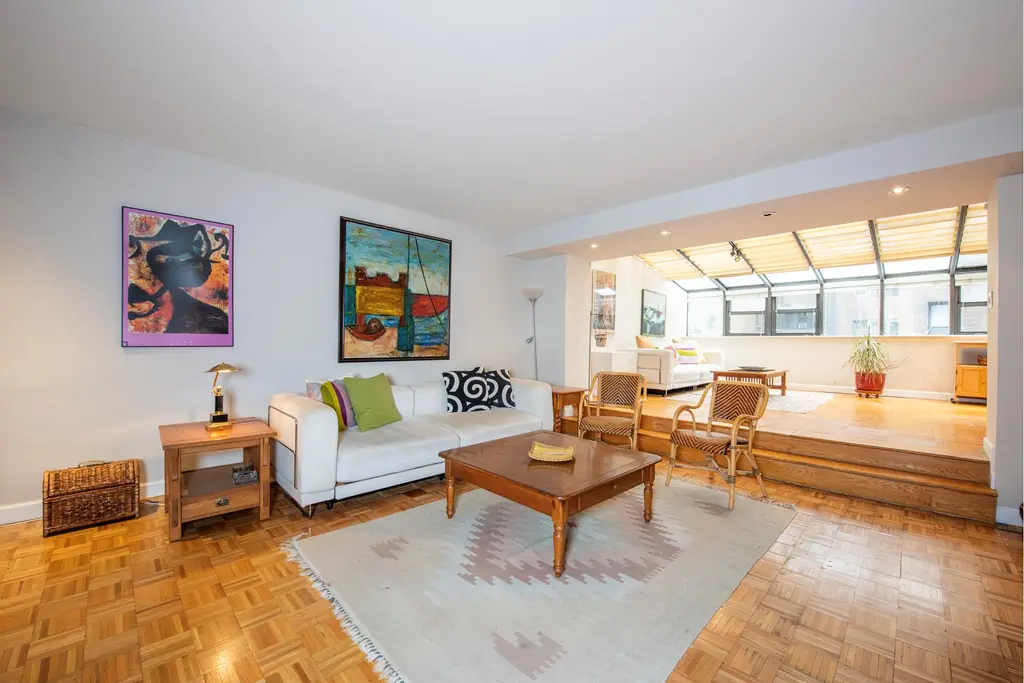
Home improvement has become more than just a way to increase property value or improve comfort. Today, many homeowners are focusing on eco-friendly renovation solutions that support a healthier lifestyle while reducing environmental impact. Sustainable home improvements are no longer considered a luxury; they are becoming a practical necessity for modern living. As energy prices rise and environmental concerns grow, more clients are searching for smarter ways to renovate their homes without harming the planet.
Eco-friendly renovations offer multiple benefits. They help reduce utility bills, improve indoor air quality, lower carbon footprints, and create more durable living spaces. Whether clients are planning a complete remodel or simple upgrades, choosing green solutions can make a significant difference in both the short and long term.
This guide explores the best eco-friendly renovation ideas, materials, and strategies that clients can use to create sustainable and energy-efficient homes.
Understanding Eco-Friendly Home Renovation
Eco-friendly renovation means improving a home using sustainable practices, energy-efficient systems, and environmentally friendly materials. The goal is to reduce waste, conserve natural resources, and create healthier living conditions.
Unlike traditional renovations that often focus solely on aesthetics or functionality, green renovations balance beauty, efficiency, and sustainability. This includes everything from installing solar panels to using recycled flooring materials and low-VOC paints.
Clients who choose eco-friendly improvements are investing in their future. These upgrades often provide long-term savings and increase home resale value.
Start with an Energy Audit
Before beginning any eco-friendly renovation project, clients should start with an energy audit. This assessment identifies areas where the home wastes energy and highlights opportunities for improvement.
An energy audit can reveal issues such as poor insulation, air leaks, outdated HVAC systems, and inefficient appliances. Understanding these problem areas helps clients prioritize renovations that deliver the highest energy savings.
Professional energy audits are highly recommended because they provide detailed insights and practical recommendations.
Upgrade Home Insulation
Insulation is one of the most effective eco-friendly upgrades clients can make. A well-insulated home reduces heat loss during winter and keeps interiors cooler during summer, lowering heating and cooling costs.
Sustainable insulation options include:
Fiberglass made from recycled materials
Cellulose insulation created from recycled paper
Sheep’s wool insulation
Cotton insulation made from recycled denim
Spray foam with eco-friendly formulas
Improved insulation in walls, attics, and floors can significantly enhance energy efficiency and comfort.
Install Energy-Efficient Windows
Old windows are a major source of energy loss. Replacing them with energy-efficient windows can reduce heat transfer and improve indoor temperature regulation.
Double-glazed and triple-glazed windows are popular options for eco-friendly homes. These windows contain insulating layers that help maintain indoor temperatures.
Low-emissivity glass coatings are another smart feature. They reflect heat while allowing natural light to enter, reducing the need for artificial lighting and temperature control.
Clients can also consider recycled aluminum or sustainably sourced wood frames.
Choose Sustainable Flooring Materials
Flooring plays a big role in home renovations, and many traditional options have a high environmental cost. Sustainable flooring alternatives offer style, durability, and eco-friendliness.
Popular green flooring materials include:
Bamboo, which grows quickly and regenerates naturally
Cork, harvested without damaging trees
Reclaimed hardwood from old buildings
Recycled tile made from glass or ceramics
Concrete flooring with low-impact finishes
These options provide beautiful designs while minimizing environmental harm.
Use Low-VOC Paints and Finishes
Traditional paints often contain volatile organic compounds, known as VOCs, which release harmful chemicals into the air. These substances can affect indoor air quality and health.
Low-VOC and zero-VOC paints are safer alternatives. They reduce toxic emissions and create healthier indoor environments.
Clients should also choose eco-friendly finishes, stains, and sealants for furniture, cabinets, and flooring.
This simple upgrade improves air quality immediately after renovation and over time.
Install Smart Lighting Systems
Lighting is a key area where eco-friendly improvements can make a noticeable impact. Modern smart lighting systems help reduce electricity use and improve convenience.
LED bulbs are the best choice because they use less energy and last much longer than traditional bulbs.
Smart lighting features include:
Motion sensors
Dimmer controls
Automated schedules
Mobile app controls
Daylight sensors
These systems ensure lights are only used when necessary, reducing energy waste.
Upgrade to Energy-Efficient Appliances
Kitchen and laundry appliances are major energy consumers. Replacing outdated models with energy-efficient versions can significantly lower electricity and water use.
Clients should look for appliances with energy-saving certifications. Common eco-friendly appliance upgrades include:
Refrigerators
Dishwashers
Washing machines
Dryers
Ovens
Modern appliances use advanced technology to operate efficiently while delivering better performance.
Although the upfront cost may be higher, the long-term savings often justify the investment.
Invest in Solar Energy Solutions
Solar energy is one of the most impactful eco-friendly home upgrades. Installing solar panels allows homeowners to generate their own electricity using renewable energy.
Solar systems can power lights, appliances, and heating systems. In some cases, excess energy can be sold back to the power grid.
Benefits of solar energy include:
Reduced electricity bills
Lower carbon footprint
Energy independence
Increased property value
Long lifespan of 20 to 30 years
Clients should evaluate roof space, sun exposure, and installation costs before making this investment.
Upgrade Water Fixtures for Conservation
Water conservation is another important part of sustainable renovation. Small upgrades can lead to significant water savings.
Eco-friendly water fixtures include:
Low-flow toilets
Water-saving showerheads
Efficient faucets
Dual-flush systems
Tankless water heaters
These improvements reduce water waste without sacrificing comfort or functionality.
Rainwater harvesting systems are also a smart option for outdoor irrigation.
Improve Heating and Cooling Systems
Heating and cooling account for a large percentage of household energy use. Upgrading HVAC systems can dramatically improve efficiency.
Eco-friendly options include:
Energy-efficient heat pumps
Smart thermostats
Geothermal heating systems
High-efficiency furnaces
Duct sealing improvements
Smart thermostats are especially useful because they learn usage patterns and optimize temperatures automatically.
Regular maintenance also keeps HVAC systems operating efficiently.
Use Recycled and Reclaimed Materials
One of the best ways to reduce renovation waste is by using recycled or reclaimed materials.
Examples include:
Reclaimed wood for furniture and flooring
Recycled metal for fixtures
Repurposed bricks for walls
Salvaged doors and windows
Recycled glass countertops
These materials add unique character to homes while reducing the demand for new resources.
Clients can often find reclaimed materials at lower costs compared to new premium products.
Focus on Natural Lighting
Maximizing natural light reduces the need for artificial lighting and improves indoor comfort.
Ways to increase natural light include:
Installing skylights
Adding larger windows
Using glass doors
Open floor plans
Reflective interior surfaces
Natural light also improves mood and creates a more welcoming atmosphere.
Positioning furniture and choosing lighter wall colors can further enhance brightness.
Create Sustainable Outdoor Spaces
Eco-friendly renovations should extend beyond the interior. Outdoor areas can also be transformed into sustainable environments.
Ideas for green outdoor improvements include:
Native plant landscaping
Drought-resistant gardens
Composting systems
Permeable paving
Solar outdoor lights
Green roofs
Native plants require less water and maintenance because they are adapted to the local climate.
This reduces both environmental impact and landscaping costs.
Consider Green Roofing Options
Traditional roofs absorb heat and contribute to higher cooling costs. Eco-friendly roofing solutions improve insulation and energy efficiency.
Popular green roofing options include:
Cool roofs that reflect sunlight
Metal roofing made from recycled materials
Green roofs covered with vegetation
Solar roof tiles
Sustainable shingles
These options can reduce indoor temperatures and increase roof durability.
Reduce Construction Waste
Renovation projects often create a large amount of waste. Eco-conscious planning can minimize this problem.
Clients can reduce waste by:
Donating reusable materials
Recycling demolition debris
Reusing cabinets and fixtures
Buying only necessary materials
Choosing modular designs
Working with contractors who prioritize waste reduction is a smart strategy.
Improve Indoor Air Quality
Healthy indoor air is essential for a sustainable home. Eco-friendly renovations should focus on improving ventilation and reducing pollutants.
Ways to improve air quality include:
Installing air purification systems
Using natural materials
Avoiding synthetic carpets
Choosing low-emission furniture
Adding indoor plants
Proper ventilation in kitchens and bathrooms also helps prevent mold growth.
A healthier indoor environment benefits everyone, especially children and older adults.
Plan for Long-Term Sustainability
Eco-friendly renovations should be viewed as long-term investments. Clients should think beyond immediate trends and focus on durability, efficiency, and adaptability.
Questions to consider include:
Will this material last for decades?
Can this system reduce long-term costs?
Is it recyclable or reusable?
Does it support healthier living?
Sustainable choices may cost more initially, but they often provide better value over time.
Work with Green Renovation Experts
Choosing the right contractor is essential for successful eco-friendly renovations. Experienced professionals can recommend sustainable materials, energy-saving systems, and efficient construction methods.
Clients should ask contractors about:
Previous green projects
Waste management practices
Material sourcing
Energy-efficient design expertise
Certifications in sustainable building
Working with knowledgeable experts ensures the project aligns with environmental goals.
Budgeting for Eco-Friendly Renovations
Many clients worry that green renovations are too expensive. While some upgrades require larger upfront investments, many are affordable and deliver strong returns.
Budget-friendly eco-friendly improvements include:
LED lighting
Weather sealing
Low-flow fixtures
Low-VOC paint
Smart thermostats
Insulation upgrades
Clients can start with small projects and gradually expand their sustainable renovations over time.
Government incentives and rebates may also help reduce costs in some areas.
Final Thoughts
Eco-friendly renovation solutions are shaping the future of home improvement. Clients who embrace sustainable upgrades can enjoy lower utility costs, healthier living spaces, and a smaller environmental footprint.
From energy-efficient windows and solar panels to recycled materials and smart technology, there are countless ways to create greener homes. The key is careful planning, smart budgeting, and choosing long-lasting solutions that align with both lifestyle needs and environmental goals.
As sustainability becomes more important in modern living, eco-friendly home renovations are no longer just a trend. They are a smart and responsible investment that benefits homeowners, communities, and the planet.
By making thoughtful renovation choices today, clients can build homes that are more efficient, beautiful, and sustainable for generations to come.