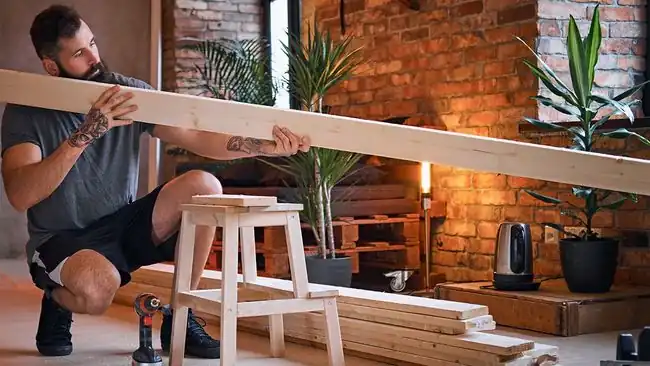
Home improvement is more than just making a house look better. It is a strategic investment that improves comfort, increases property value, and reduces future maintenance costs. For homeowners planning to stay in their property for years, choosing the right long-term upgrades can make a significant difference. Instead of focusing on quick cosmetic changes, smart clients often invest in improvements that offer lasting benefits.
Long-term home upgrades are about building a stronger, more efficient, and more functional living environment. Whether it is improving energy efficiency, modernizing outdated spaces, or increasing structural durability, the right projects can provide returns for many years.
In this guide, we will explore the most valuable home improvement projects for clients who want to invest wisely in their homes.
Kitchen Remodeling Remains a Top Priority
The kitchen is one of the most important spaces in any home. It serves as a gathering place, cooking area, and central hub for family activities. A kitchen remodel is one of the most rewarding home improvement projects because it combines function and style.
Clients investing in kitchen upgrades often focus on replacing outdated cabinets, installing modern countertops, upgrading appliances, and improving storage solutions. Open-concept kitchen layouts continue to be popular because they create a spacious feel and improve social interaction.
Energy-efficient appliances are also a valuable addition. They reduce utility bills and support sustainable living. Features like soft-close cabinets, smart lighting, and durable flooring make kitchens more practical for long-term use.
A well-designed kitchen can significantly boost a home’s resale value while improving everyday convenience.
Bathroom Renovations Add Comfort and Value
Bathrooms are another high-value area for long-term improvements. Old bathrooms can quickly become outdated and may develop plumbing issues over time. Investing in bathroom upgrades improves comfort, safety, and functionality.
Popular bathroom projects include installing walk-in showers, modern vanities, better lighting, and water-saving fixtures. Heated flooring has also become a valuable luxury that many homeowners appreciate during colder seasons.
Storage improvements can make small bathrooms more efficient. Built-in shelving, medicine cabinets, and custom organizers help maximize space.
Water-efficient toilets and faucets reduce water consumption, which lowers bills over time. Durable tile and moisture-resistant materials also help minimize future repairs.
Energy-Efficient Window Replacement
Old windows often cause energy loss, making heating and cooling systems work harder. Replacing outdated windows with energy-efficient models is one of the smartest long-term investments.
Modern windows improve insulation, regulate indoor temperatures, and reduce noise pollution. Double-pane and triple-pane windows are excellent options for better energy savings.
In addition to performance, new windows improve the overall appearance of the home. Larger windows can bring in more natural light, creating brighter and more inviting spaces.
This upgrade helps homeowners save on utility costs while increasing indoor comfort year-round.
Roof Replacement Protects the Entire Home
The roof is one of the most important parts of a house. It protects everything underneath it. Ignoring roof issues can lead to water damage, mold growth, and structural problems.
Replacing an aging roof is a valuable long-term investment because it strengthens protection and reduces maintenance risks. Modern roofing materials are more durable and weather-resistant than older options.
Metal roofs, architectural shingles, and energy-efficient roofing systems offer longer lifespans and better performance. Some materials can last 30 to 50 years or more.
A strong roof also improves energy efficiency by reflecting heat and maintaining proper insulation.
Upgrading HVAC Systems for Better Efficiency
Heating, ventilation, and air conditioning systems play a major role in indoor comfort. Older HVAC systems often consume more energy and may not perform efficiently.
Upgrading to a modern HVAC system provides better temperature control, cleaner air, and lower energy costs. Smart thermostats can further improve efficiency by allowing homeowners to manage temperatures remotely.
Improved HVAC systems are especially important for long-term homeowners because they enhance daily comfort and reduce the likelihood of costly breakdowns.
Regular maintenance combined with a modern system ensures better performance and longer equipment life.
Insulation Improvements Save Money Over Time
Many older homes have poor insulation, which leads to heat loss in winter and heat gain in summer. Upgrading insulation is one of the most cost-effective long-term home improvements.
Proper insulation improves energy efficiency, keeps indoor temperatures stable, and reduces strain on HVAC systems.
Areas to focus on include attics, walls, crawl spaces, and basements. Spray foam insulation is particularly effective for sealing air leaks.
Although insulation is not a visible upgrade, it provides long-lasting financial benefits through lower utility bills.
Basement Finishing Creates More Living Space
A basement is often an underused part of the home. Finishing it can add valuable square footage and improve property functionality.
Homeowners can transform basements into family rooms, home offices, gyms, entertainment areas, or guest bedrooms. This adds flexibility for changing family needs over time.
Basement improvements often include moisture-proof flooring, insulation, proper lighting, and upgraded ventilation systems.
A finished basement increases both usable space and overall property value, making it a strong long-term investment.
Smart Home Technology Enhances Modern Living
Technology has become an important part of home improvement. Smart home upgrades improve convenience, security, and efficiency.
Popular smart investments include:
Smart thermostats
Smart security cameras
Video doorbells
Smart lighting systems
Automated blinds
Smart locks
These systems allow homeowners to control various features from their phones or tablets. Over time, smart technology can improve energy savings and home security.
As technology continues to evolve, homes equipped with smart systems are becoming more attractive to buyers.
Exterior Improvements Increase Curb Appeal
The outside of a home creates the first impression. Exterior upgrades improve appearance and protect the property from weather damage.
Long-term exterior investments include:
New siding
Fresh paint
Stone accents
Updated entry doors
Improved landscaping
Driveway replacement
Fiber cement siding and vinyl siding are durable options that require less maintenance. Landscaping improvements like trees, walkways, and outdoor lighting can also increase visual appeal.
These upgrades not only make the home look better but also improve long-term durability.
Flooring Replacement Improves Durability
Flooring experiences daily wear and tear. Replacing old flooring with durable materials can improve both style and practicality.
Hardwood remains one of the most valuable flooring options because of its durability and timeless appeal. Luxury vinyl flooring has also become popular because it is water-resistant and affordable.
Tile flooring works well in kitchens and bathrooms because it handles moisture effectively.
Choosing long-lasting materials reduces the need for frequent replacements and keeps the home looking modern.
Outdoor Living Spaces Expand Functionality
Outdoor spaces have become a major focus in modern home improvement. Decks, patios, and outdoor kitchens add usable living space and improve relaxation options.
Popular outdoor upgrades include:
Covered patios
Fire pits
Outdoor seating areas
Pergolas
Built-in grills
Garden spaces
These additions increase enjoyment for homeowners while boosting property value. Durable weather-resistant materials ensure these spaces remain functional for years.
Outdoor living areas create opportunities for entertaining and family gatherings.
Plumbing System Upgrades Prevent Major Problems
Older plumbing systems can lead to leaks, low water pressure, and expensive water damage. Updating plumbing is a practical long-term investment.
Replacing old pipes with modern materials improves reliability and water quality. Tankless water heaters are another valuable upgrade because they provide energy-efficient hot water on demand.
Water filtration systems can also improve health and appliance lifespan by reducing mineral buildup.
Preventive plumbing upgrades help homeowners avoid costly emergencies.
Electrical System Modernization Improves Safety
Older homes often have outdated electrical systems that may not support modern appliances and devices. Electrical upgrades are essential for both safety and convenience.
Important improvements include:
Upgraded breaker panels
Additional outlets
USB outlets
LED lighting
Whole-home surge protection
Rewiring outdated systems
Modern electrical systems reduce fire risks and improve energy efficiency. They also support future technology upgrades more easily.
This investment is especially important for older properties.
Storage Solutions Improve Organization
Storage is a major concern for many homeowners. Adding better storage solutions can improve daily living without requiring major renovations.
Built-in shelves, closet systems, garage storage units, and under-stair storage maximize available space.
Custom storage solutions help keep homes organized and reduce clutter. Over time, this improves comfort and functionality.
Well-organized homes also appear larger and more attractive.
Solar Panel Installation for Long-Term Savings
Solar energy is becoming a popular long-term investment for homeowners. Installing solar panels can significantly reduce electricity bills and provide energy independence.
Although the initial cost can be high, the long-term savings often make it worthwhile. Many homeowners also benefit from tax incentives and increased property value.
Solar panels are especially valuable in areas with strong sunlight throughout the year.
They support sustainability while reducing dependence on traditional energy sources.
Foundation Repairs Protect Structural Integrity
The foundation supports the entire home. Any problems with it can lead to serious structural issues.
Cracks, uneven floors, and sticking doors may indicate foundation problems. Addressing these issues early prevents bigger and more expensive repairs later.
Foundation improvements may include waterproofing, crack repairs, drainage solutions, and structural reinforcement.
Protecting the foundation is one of the smartest investments for long-term property stability.
Choosing the Right Projects Based on Goals
Not every home improvement project has the same value for every homeowner. The best investments depend on individual goals.
If the focus is energy savings, insulation, windows, and solar panels are excellent choices. If increasing resale value is the goal, kitchens, bathrooms, and exterior upgrades often deliver strong returns.
For growing families, basement finishing and storage solutions may be more important. Older homes may require roofing, plumbing, and electrical improvements first.
Understanding priorities helps clients make smarter decisions and avoid unnecessary spending.
Final Thoughts
Long-term home improvement is about creating lasting value, improving comfort, and protecting your investment. While cosmetic upgrades can improve appearance, the most valuable projects focus on functionality, efficiency, and durability.
Kitchen remodels, bathroom renovations, energy-efficient windows, roofing, HVAC systems, insulation, smart technology, and structural improvements all offer strong long-term benefits. These projects not only improve daily living but also strengthen the home’s market value.
For clients planning to stay in their homes for many years, investing in quality improvements today can save money and reduce stress in the future. A smart home improvement strategy focuses on what will continue to provide benefits for decades, making the property stronger, safer, and more enjoyable for the long term.