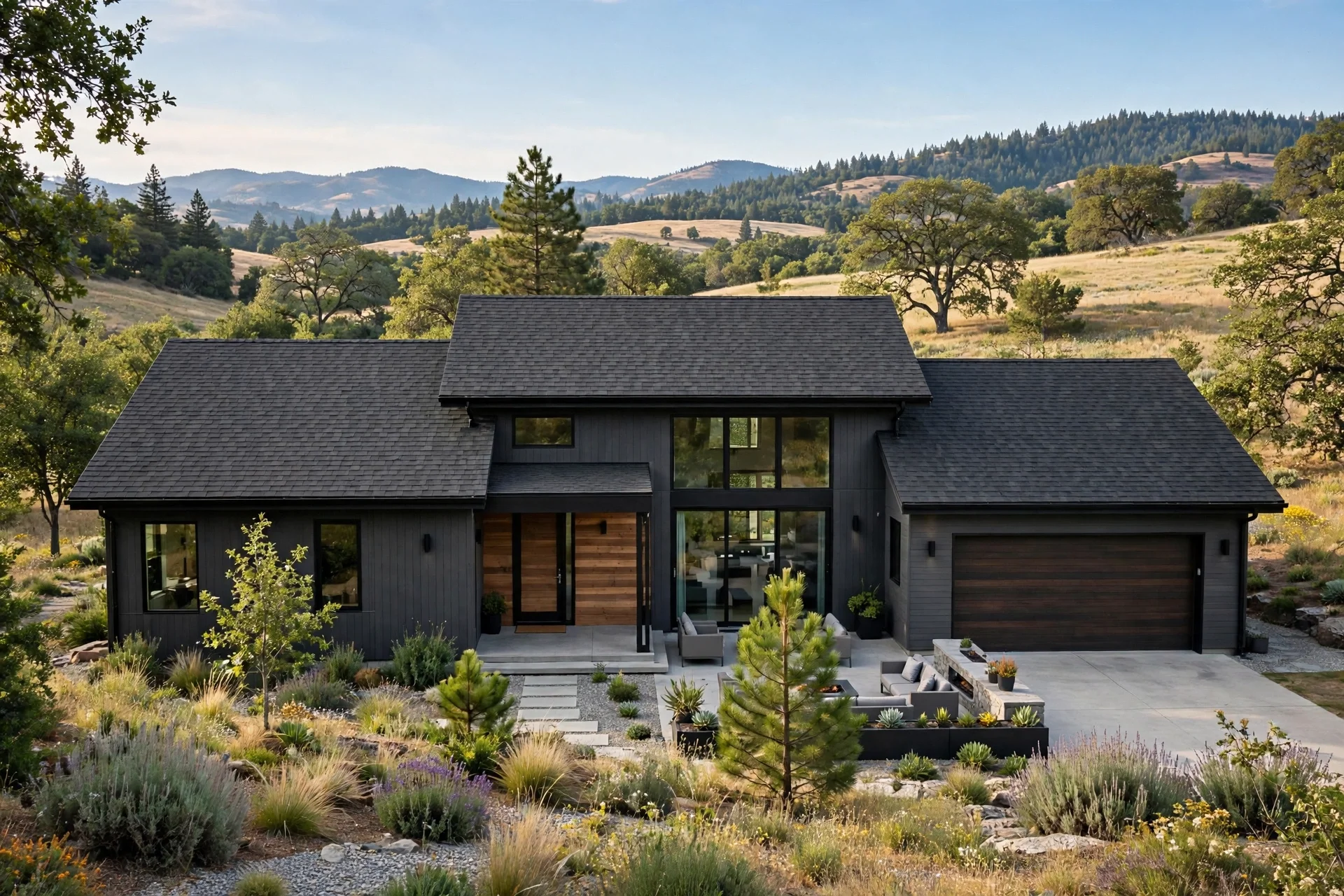
Solar shingles promise the cleanest-looking solar roof of all: the shingles themselves generate electricity, so there are no racks or panels sitting on top of the roof. The direct answer is this: solar shingles make financial sense mainly when your roof already needs replacing, because they cost roughly $4.50 to $8 per watt installed — about twice the cost of traditional panels — and they produce less power per square foot. If your roof is in good shape, adding panels is almost always the cheaper path to solar. This guide explains how solar shingles work, what they cost, and how to decide whether they fit your roof.
Why Solar Shingles Look Like Roofing Instead of Equipment
Solar shingles are a form of building-integrated photovoltaics, known as BIPV. The photovoltaic cells are laminated inside a roofing component sized and shaped like the material it replaces, so the shingle is the roof covering and the generator at the same time. Installed, the active sections read as a slightly darker area of roofing rather than as equipment bolted on afterward. That appearance is the whole appeal: no aluminum racking, no visible panel frames, and no change to the roofline.
How Solar Shingles Turn a Roof Surface Into a Power Plant
Each energy shingle contains photovoltaic cells wired together in strings, just like a panel, but the electrical connections run beneath the roofing surface and through the roof deck to an inverter inside the home. A GAF Timberline Solar ES 2 shingle produces about 57 watts across roughly 3.4 square feet of active surface, or around 16.7 watts per square foot, and about 30 energy shingles cover one roofing square to produce roughly 1.7 kilowatts. Only part of the roof is active: typically 30 to 60 percent of the total roof area carries energy shingles, while the rest uses matching inactive shingles.
- Energy shingles replace the roofing material; inactive shingles match them visually.
- Only 30 to 60 percent of a typical roof carries active shingles.
- Wiring runs beneath the roofing surface to an inverter inside the home.
Solar Shingles Versus Rack-Mounted Panels: Output, Efficiency, and Cost
The comparison comes down to three numbers: cost per watt, efficiency, and power density. Traditional rack-mounted panels cost about $2.50 to $3.25 per watt installed in 2026 and reach 15 to 22.5 percent efficiency, with premium panels above 22.5 percent. Solar shingles cost roughly $4.50 to $8 per watt, and premium options such as a full Tesla-style glass tile roof ran $15 to $16 per watt including the entire roof. Shingle efficiency sits around 15 to 20 percent, with GAF at about 17 to 19 percent, so shingles need more roof area for the same output.
Power density shows the gap most clearly: a modern panel produces about 20 to 25 watts per square foot of array footprint, while the best solar shingles top out near 16 watts per square foot of active area, and only 7 to 9 watts per square foot of total roof once inactive tiles are counted. Shingles also sit flush against the roof deck with no airflow gap underneath, so they run hotter than raised panels, and heat reduces photovoltaic output. The payback reflects all of this: shingles typically take 12 to 20 or more years to pay back, against 10 to 14 years for panels.
| Factor | Solar Shingles (BIPV) | Traditional Rack-Mounted Panels |
|---|---|---|
| Installed cost | About $4.50 to $8 per watt | About $2.50 to $3.25 per watt |
| Efficiency | About 15 to 20 percent | About 15 to 22.5 percent |
| Power density | About 16 watts per sq ft active | About 20 to 25 watts per sq ft |
| Typical payback | 12 to 20+ years | 10 to 14 years |
| Installation time | 1 to 2 weeks, full re-roof | 1 to 3 days on existing roof |
The Roof Your Home Needs Before Shingles Make Sense
Solar shingles are a roofing decision first and a solar decision second, so the roof has to be right. The ideal candidate is a roof at the end of its life, with a large, simple, south-facing slope between 15 and 40 degrees, minimal shading from trees or neighboring structures, and sound decking underneath. Complex roofs with many dormers, valleys, and small planes waste active area and raise installation cost, because each plane needs its own wiring runs and flashing details.
From Tear-Off to Switch-On: The Solar Shingle Installation Sequence
Installation takes one to two weeks because it is a full re-roof, not a panel add-on. The old roofing comes off, the deck is inspected and repaired, and underlayment and flashing go down first. Energy shingles are then nailed or clipped in courses like ordinary shingles, with electrical connectors linking each course as the roofer works upward. A certified solar installer, not just a roofer, must handle the wiring, because the connections are made course by course and cannot be fixed easily once covered.
Remove the old roof, inspect the deck, and install underlayment and flashing.
Lay inactive shingles on poor-orientation slopes and energy shingles on the best slopes.
Connect each course electrically as it is installed, routing wiring to the inverter location.
Install the inverter, disconnects, and monitoring, then complete the roofing finish.
Pass electrical and building inspections and receive permission to operate from the utility.
The final steps are inspection and utility interconnection, which can add weeks to the timeline even after the roof is finished. The system cannot legally generate until the utility grants permission to operate, so the schedule should be planned around that approval. Homeowners should also confirm that the installer is certified by the shingle manufacturer; manufacturer warranties often depend on certified installation, and an uncertified crew can void coverage on both the roofing and the power components.
Heat, Shade, and Slope: The Three Factors That Decide Real Output
Three site factors decide how much electricity a shingle roof actually produces. Heat is the first: because shingles lie flat against the deck with no airflow beneath, they run hotter than raised panels, and photovoltaic cells lose output as temperature rises. A roof in a hot climate with poor ventilation underneath will underperform its rated output on summer afternoons, which is exactly when demand is highest.
Shade is the second factor and the least forgiving. A single shaded string of shingles can drag down the output of the whole string, so a chimney, a dormer, or a neighbor’s tree that shades part of the active area costs more than the shaded tiles alone. Slope and orientation are the third: the Department of Energy’s homeowner guidance puts the best performance on slopes between 15 and 40 degrees facing south, with output falling off on east and west faces and dropping sharply on north-facing planes. A shade analysis and a production estimate from the installer, based on your actual roof, are essential before signing.
Warranties, Repairs, and Replacing a Single Failed Shingle
Most solar shingle systems carry 25-year product and power warranties, comparable to premium panels. The practical question is what happens when one shingle fails. Replacing a single energy shingle means removing the shingles above it, swapping the unit, and re-flashing — a roofing job, not a panel swap — so labor costs more than replacing a rack-mounted panel. That is why installer quality matters so much: a well-installed system should rarely need individual replacements.
| System | Installed Cost per Sq Ft | Power per Unit | Warranty |
|---|---|---|---|
| GAF Timberline Solar ES 2 | $21 to $24 | 57 watts per shingle | 25 years product and power |
| CertainTeed Apollo II | $22 to $26 | 63 watts per module | 25 years product and power |
| LUMA Solar shingle | Varies by project | About 100 watts per unit | Check current terms |
Doing the Payback Math Without the Federal Tax Credit
The economics changed in 2026. The 30 percent Residential Clean Energy Credit under Section 25D expired for homeowner-owned systems with a permission-to-operate date after December 31, 2025, so a system installed in 2026 does not receive that federal credit. That change hits shingles harder than panels because shingles cost more per watt to begin with, and the credit had previously applied to the full system cost, including the inactive roofing tiles.
Without the credit, the honest comparison is simple arithmetic. A typical 8-kilowatt panel system at about $2.60 per watt costs roughly $20,800 installed, while the same output in shingles at $4.50 to $8 per watt costs roughly $36,000 to $64,000 before any roofing credit. The shingle premium shrinks only when the roof genuinely needs replacing, because the roofing portion of the cost replaces spending that was already necessary. State and utility incentives still exist in some areas and should be checked, but no homeowner should sign a shingle contract that depends on a federal credit that is no longer available.
- The 30 percent federal credit expired for homeowner systems operating after 31 December 2025.
- Compare shingle cost against panels plus a separate re-roof, not against panels alone.
- Get a production estimate for your actual roof before signing any contract.
When Solar Shingles Beat Panels — and When They Do Not
Shingles win in a narrow but real set of cases: a roof that needs replacing anyway, a homeowner who values appearance highly, a strict homeowners association or historic district that restricts visible panels, and a large simple roof with good southern exposure. In those cases the integrated look and the avoided separate roofing cost can justify the premium, and the system will produce clean power for decades.
Panels win everywhere else. If the roof is in good shape, if the budget matters, if the roof is small or shaded, or if maximum output per dollar is the goal, rack-mounted panels are cheaper, more efficient, faster to install, and easier to repair or replace. They can also be tilted to the ideal angle, which flat-laid shingles cannot. The decision is not about which technology is better in general; it is about which one fits the roof, the budget, and the timeline of the specific house.
Final Thoughts: Solar Shingles as a Roof First and a Power Plant Second
Solar shingles are a genuine roofing product that happens to generate electricity, and they should be judged as a roof first. If your roof needs replacing, your slopes face the sun, and you value a clean roofline enough to pay roughly double per watt, they are a legitimate choice that will serve for 25 years. If your roof is sound and your goal is the most electricity for the least money, traditional panels remain the better answer. Decide on the roof first, then let the solar math follow.
Solar Shingle Questions Homeowners Ask Before Re-Roofing
How much do solar shingles cost compared with solar panels?
Solar shingles cost roughly $4.50 to $8 per watt installed, against about $2.50 to $3.25 per watt for traditional panels. For an 8-kilowatt system, that is roughly $36,000 to $64,000 for shingles versus about $20,800 for panels. The gap narrows only when the roof needs replacing anyway, because the shingles replace roofing material you would have bought regardless.
Are solar shingles as efficient as solar panels?
No, they are slightly less efficient. Shingles run about 15 to 20 percent efficient, while mainstream panels reach 18 to 22 percent and premium panels exceed 22 percent. Shingles also lie flat with no airflow underneath, so they run hotter and lose more output on warm days. They need more active roof area to produce the same electricity.
Can solar shingles be installed on an existing roof?
No, they replace the roof. Installation is a full tear-off and re-roof, taking one to two weeks, because the shingles are the roofing material. If your existing roof has years of life left, adding rack-mounted panels is the better option, since it avoids paying for a new roof early.
What happens if one solar shingle stops working?
The failed shingle must be replaced like a roofing shingle: the courses above it are lifted, the unit is swapped, and the area is re-flashed. It costs more in labor than swapping a rack-mounted panel. Monitoring per string helps identify a failed section early, and the 25-year product and power warranties typically cover the replacement unit.
Do solar shingles still qualify for the federal tax credit?
For homeowner-owned systems, the 30 percent Residential Clean Energy Credit expired for systems with a permission-to-operate date after December 31, 2025. A system installed in 2026 does not receive that credit. State and utility incentives may still apply, so check current programs in your area before budgeting.
How long do solar shingles last?
Most systems carry 25-year product and power warranties, matching premium panels. The roofing function should last as long as a conventional high-quality roof when installed correctly, and the power output is warrantied to a specified percentage of rated capacity at year 25. Installer certification matters, because warranty coverage often depends on it.